(1938 - 2006)
NIKOS KOLOVOS:
The Archives
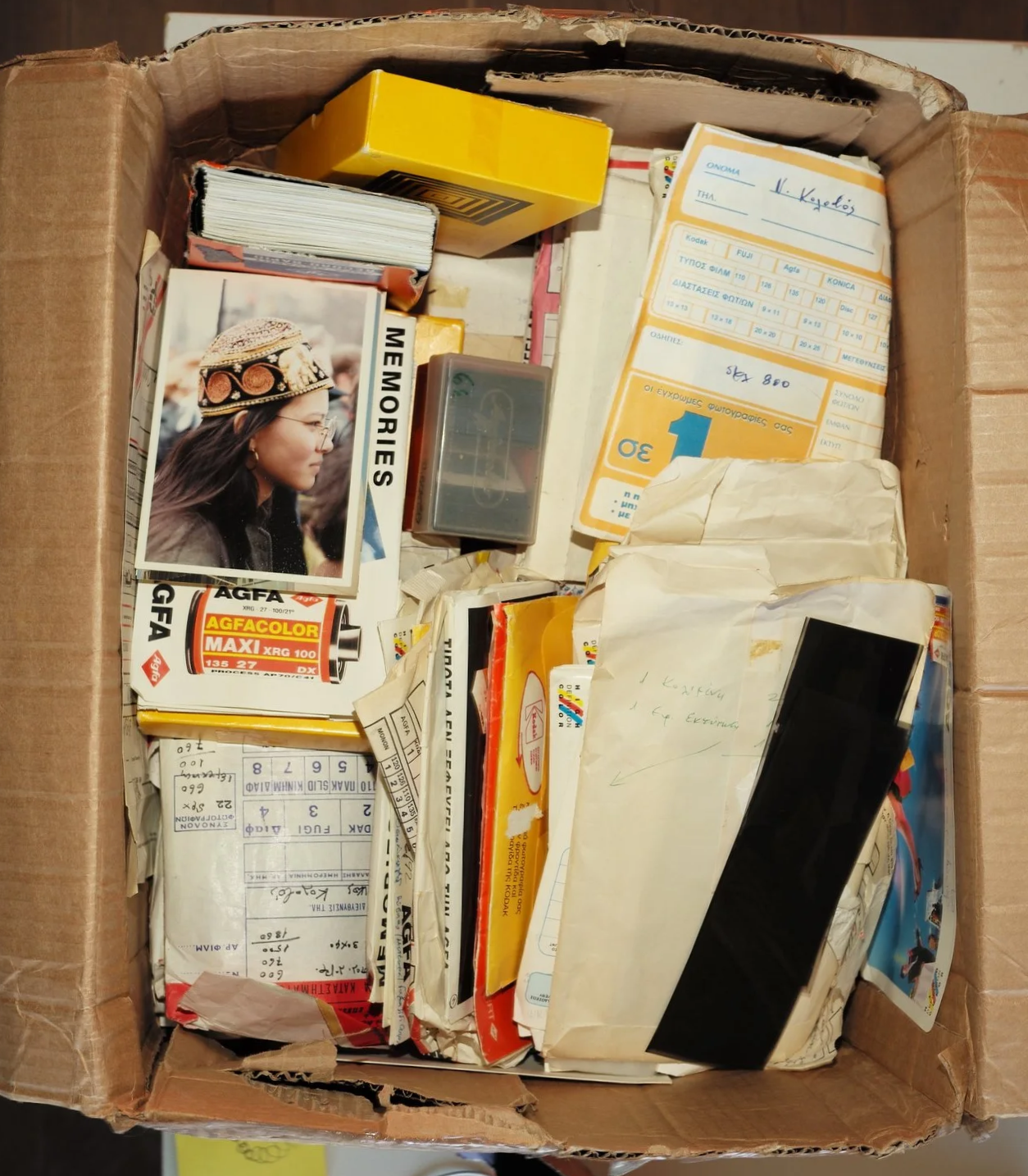
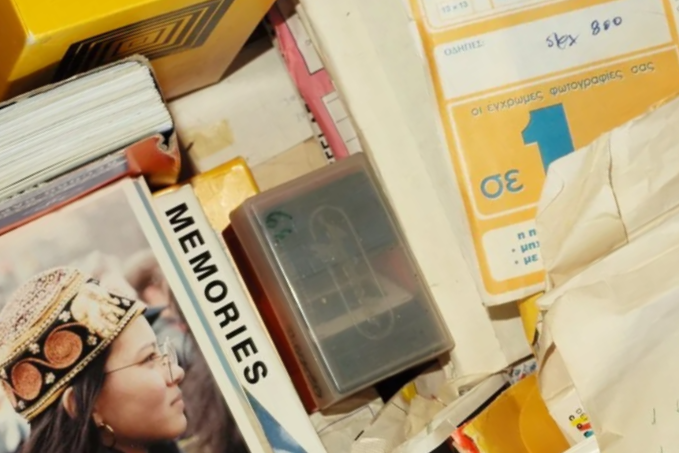
An in-progress digital archive of the material found in the photographic collection of Nikos Kolovos, and a study of the working process to compile the archive to retell the story through books, notes, personal items, journal clippings and family memories. The archive is currently being scanned, organised and researched.
There are many ways one might come to know the life of another, even after their death. We may ask family members who are still living, or friends who knew the person well. We may locate tape recordings, family movies, or journals left behind.
Words can reveal a great deal, and they are often our primary source, but do they invite us to imagine someone's life in the same way that a photograph does?
Authors who write fiction speak of trusting the reader: not detailing every element of a scene, but leaving room for the reader to imagine for themselves what may be occurring. This project believes in a similar idea. Without explicit narration from its author, an image might trust the viewer to interpret and define it for themselves.
A posthumous archive invites multiple interpretations and many possible stories. Is a film not more interesting when the viewer is left, after, to ask: but what did they mean by that?
So that we sit and think about it.
Biography
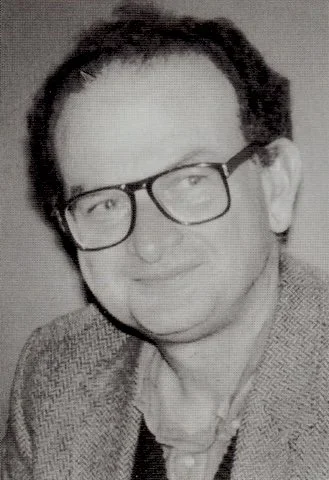
Ο Νίκος Κολοβός υπήρξε επίσης νομικός, συγγραφέας, μεταφραστής, πανεπιστημιακός, όμως όσο κι αν η πολύπλευρη διάσταση της προσωπικότητάς του δεν μπορούσε να περιοριστεί σ` ένα μόνο αντικείμενο, η καρδιά του ήταν αναμφίβολα δοσμένη στο σινεμά. [...]
(από τον πρόλογο της Δέσποινας Μουζάκη, "Δοσμένος στο σινεμά")
Nikos Kolovos was also a lawyer, writer, translator, and academic, but even though the multifaceted dimension of his personality could not be limited to a single subject, his heart was undoubtedly given to cinema. [...]
(from the prologue by Despina Mouzaki, "Given to the Cinema")
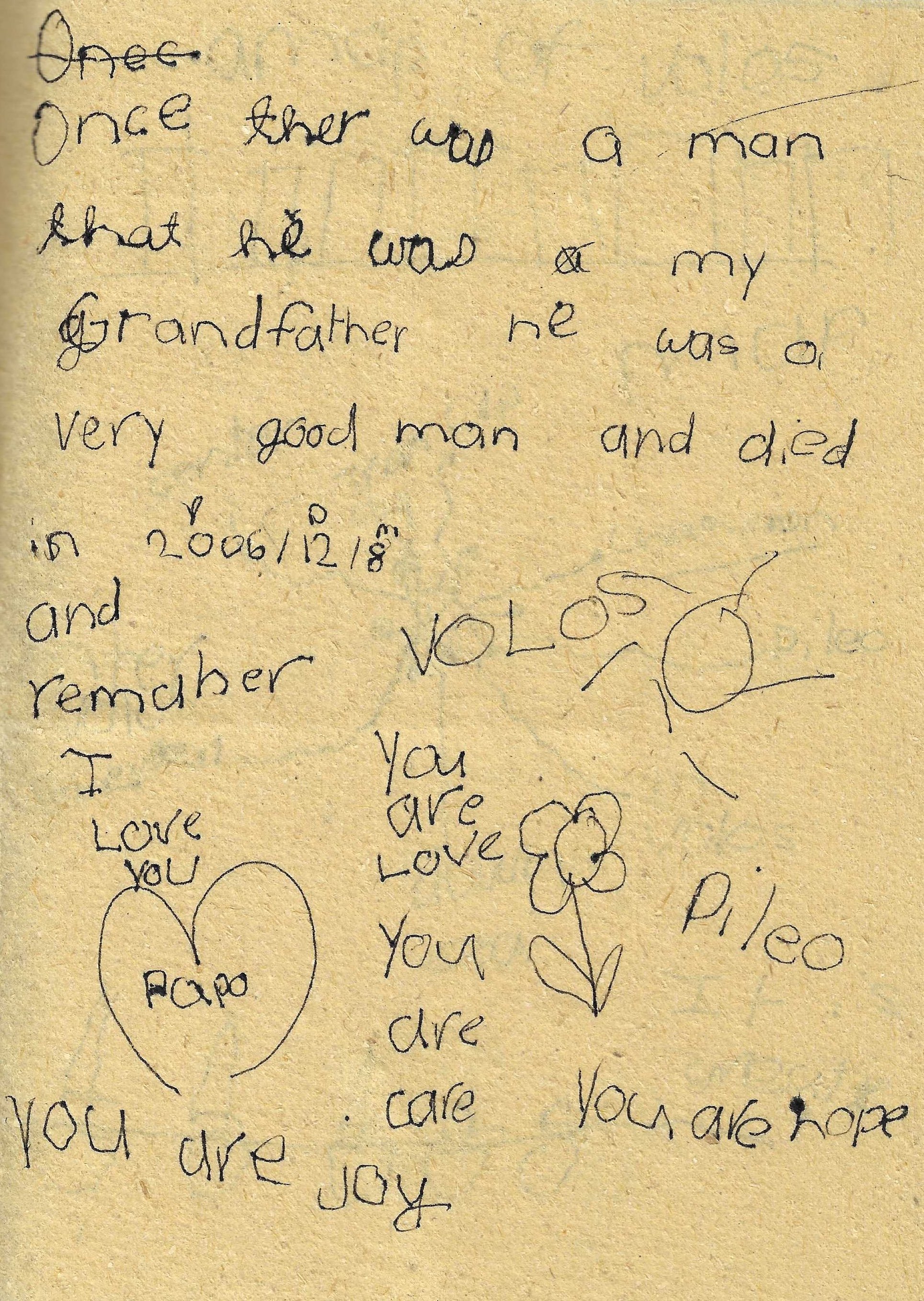
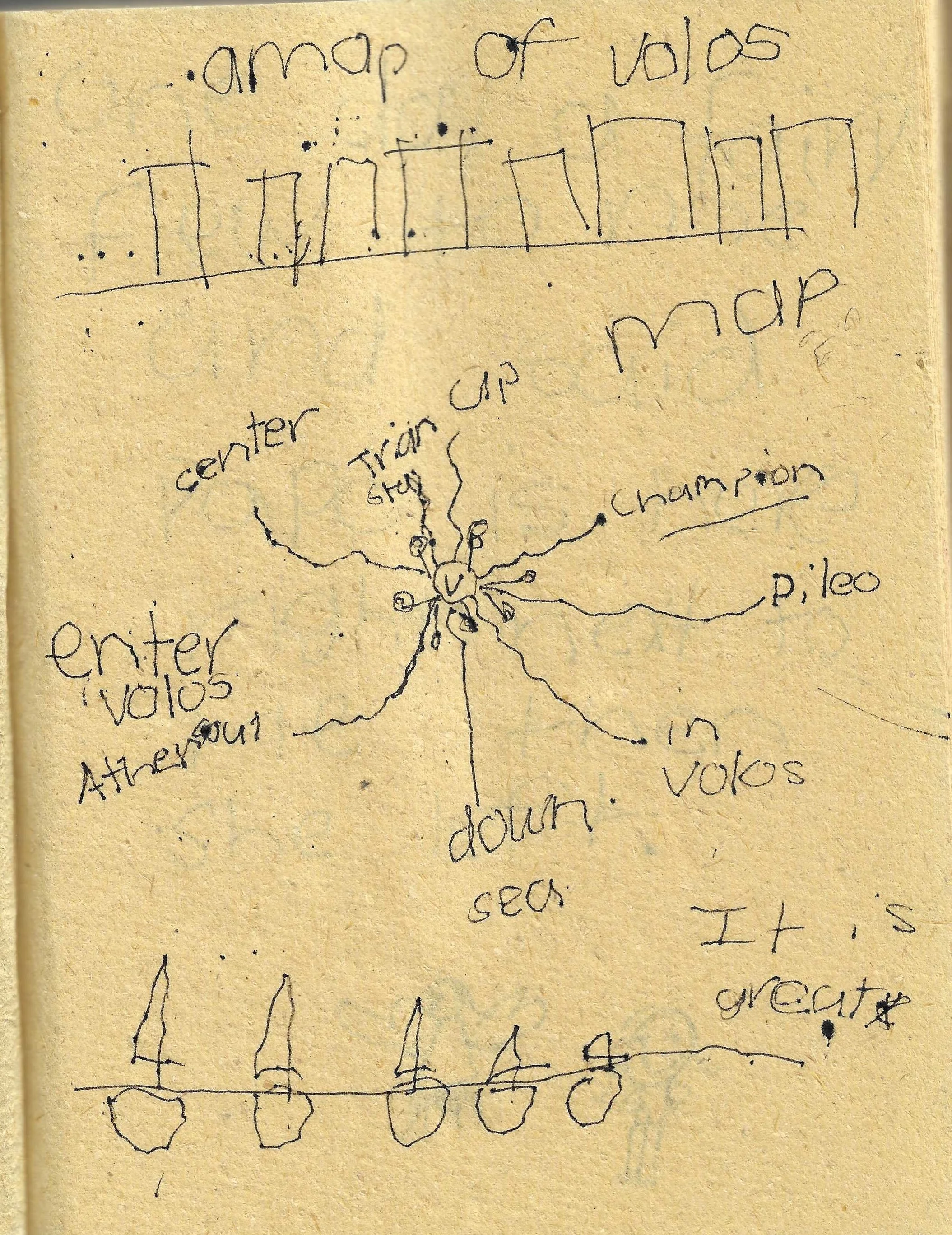
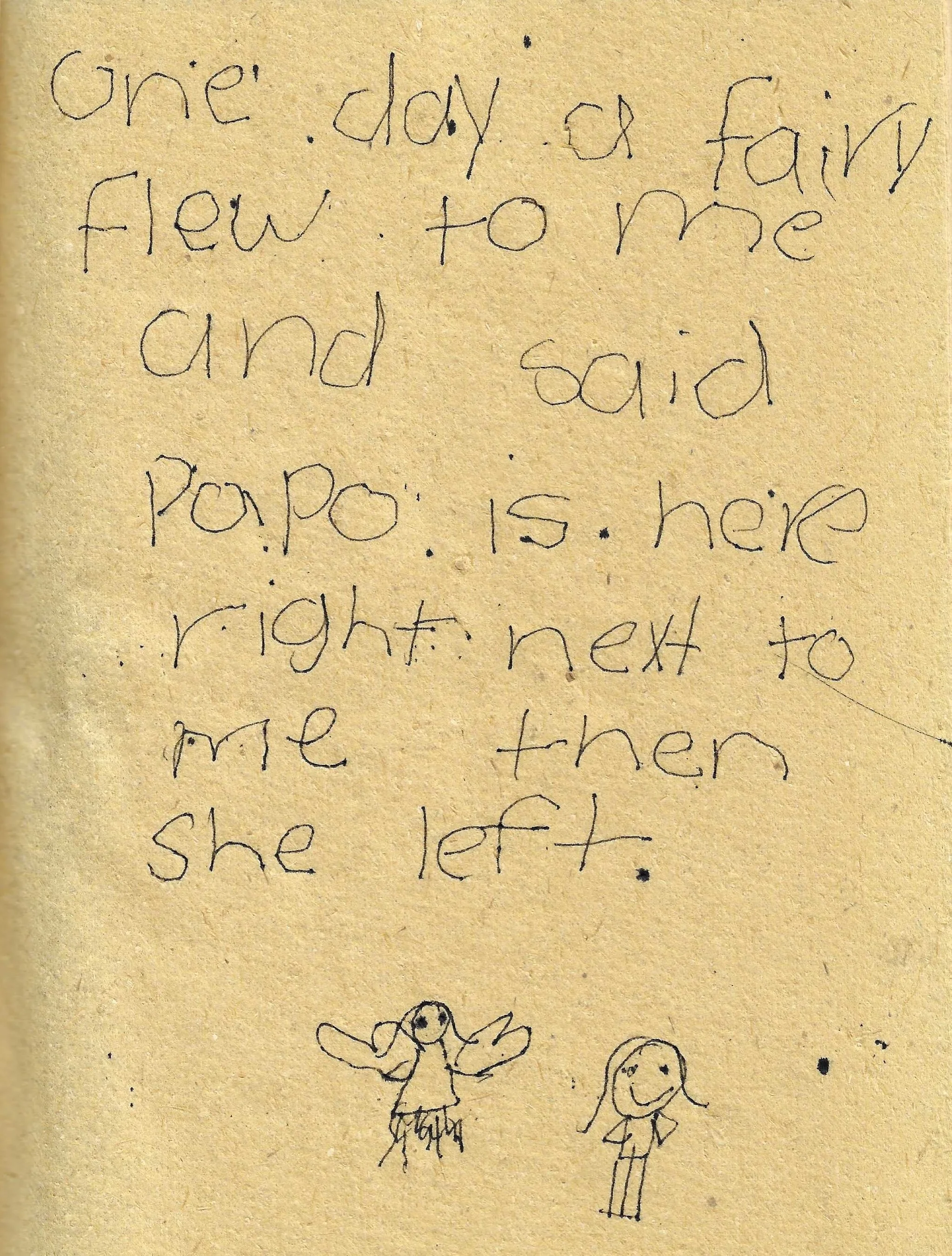
Nikos Kolovos (1938-2006) lived his entire life in Volos, the Greek port city beneath Mount Pelion, as you will find in the map drawn by his granddaughter Alessandra. By profession, he was a lawyer, twice president of the Volos Bar Association. His lifelong intellectual passion, however, was cinema. From 1960 onward, he wrote criticism and theory about film, eventually completing a doctorate in sociology at Panteion University in Athens and teaching cinema and film studies in the Department of Architecture at the University of Thessaly. Outside of film studies, he was a serious mountaineer and writer about Greek nature, particularly the Pelion region. Above, you will find this legacy continued through his granddaughter, Alessandra, who wrote about seeing him after he passed. The Pelion mountain is associated with fairies, known as nymphs or dryads and oreads in Greek mythology.
The archive presented here differs from his public work. These photographs were made privately, accumulated over decades on film material, including slide. They were never theorised or published by their maker. They are the private image-making of a man whose professional life was the reading of images. Nikos Kolovos knew, as we can identify through his professional career, and perhaps he knew better than most, what an image does, and what its repetitions reveal about the one who made them, and also about the society and the viewer who views them. The site invites you to look through these slides with that paradox in mind, and to bring your own reading.
Nikos Kolovos’s legacy continues with his two children, Katerina [pictured on the right] and Nick, and his two grandchildren, Alessandra [pictured on the right] and Veronica. His wife, Niki Kolovou, who was with him every step of the way and together they saw the world, recently joined him in October 2025.
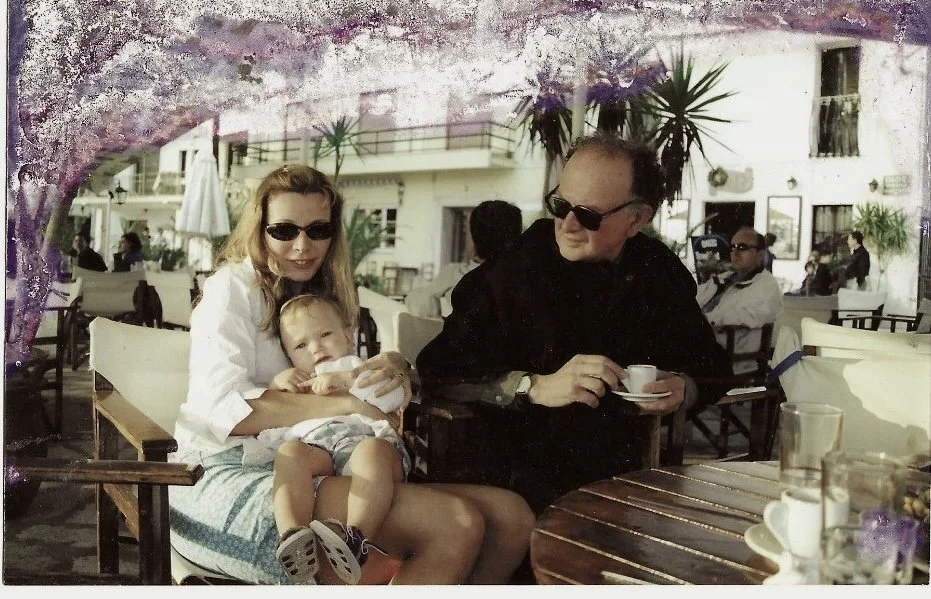
Nikos Kolovos (right) with his daughter, Katerina (left) and his granddaughter Alessandra (left)
The Works of Nikos Kolovos
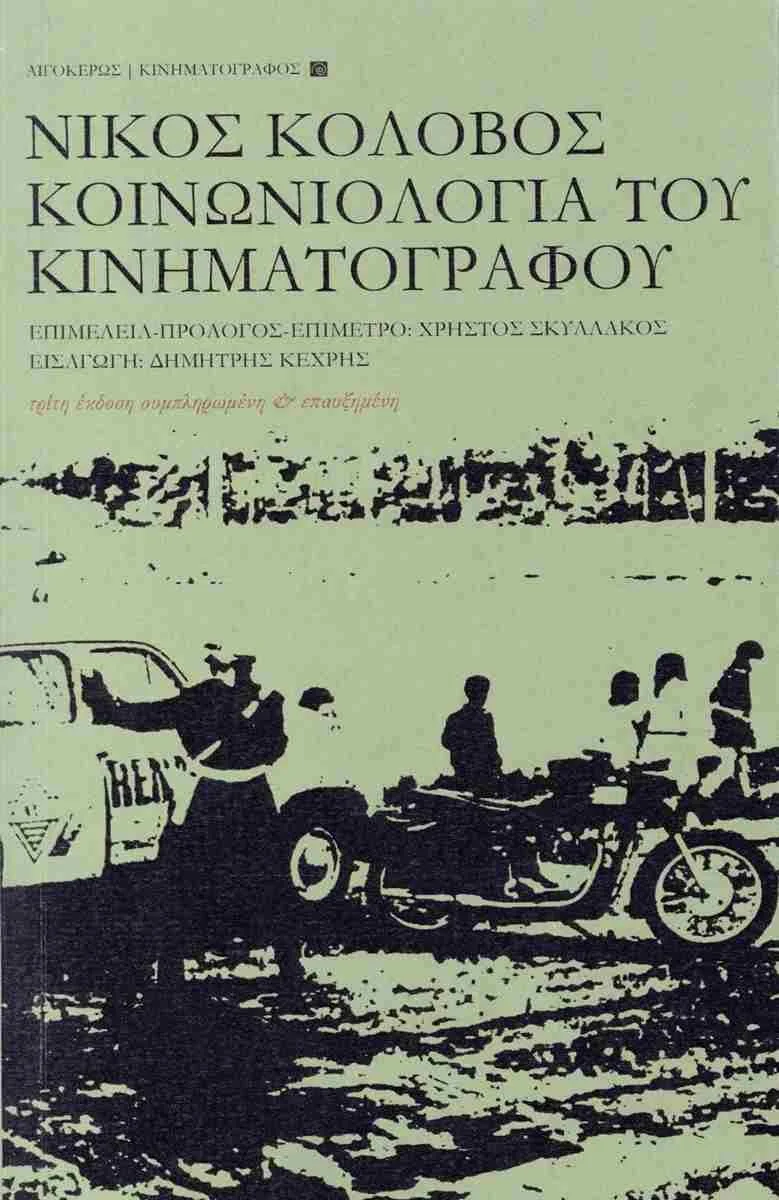
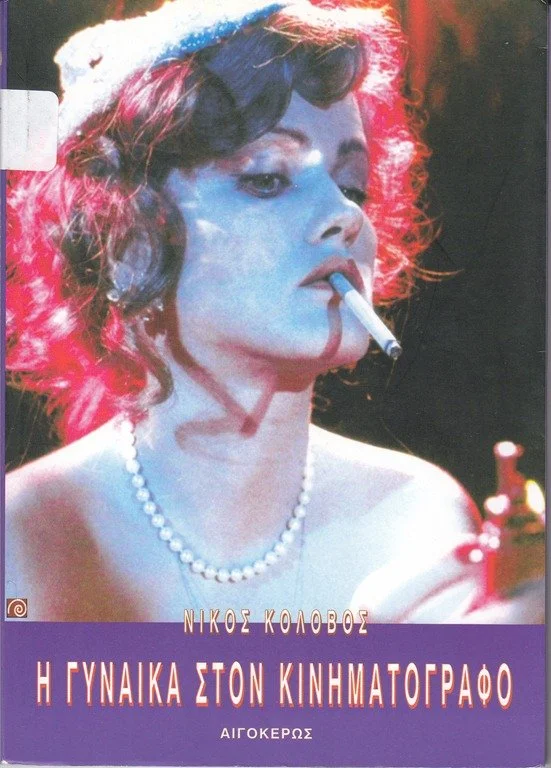
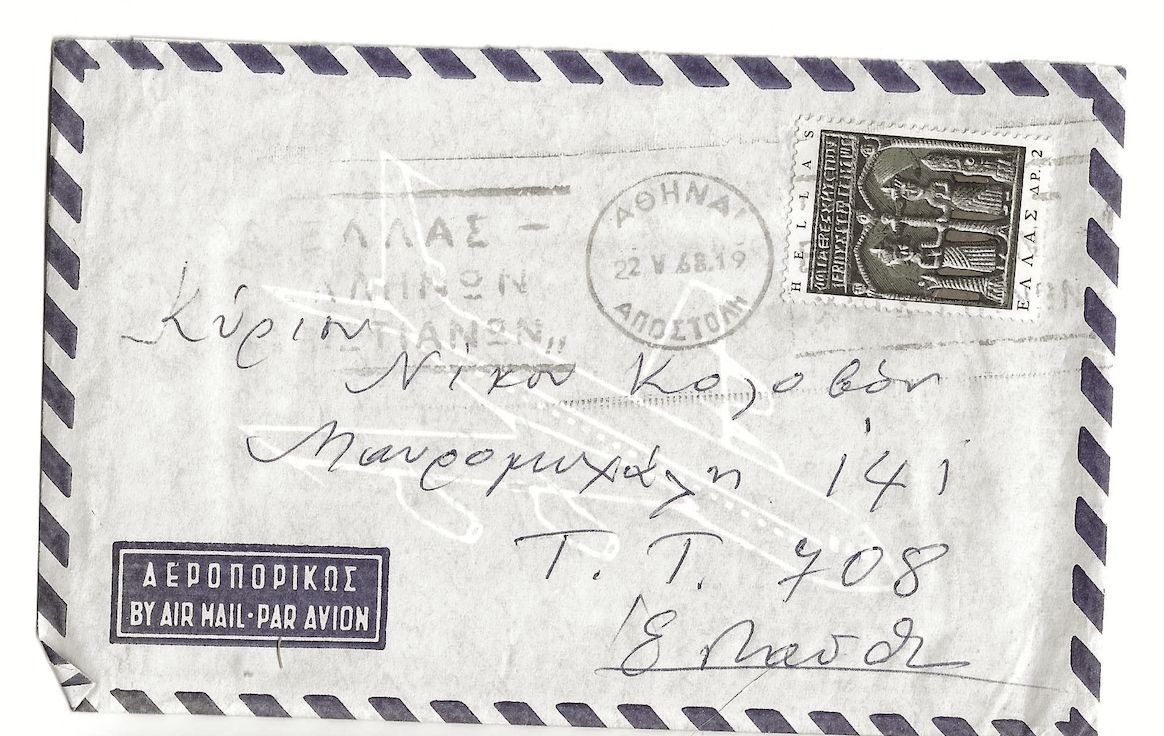
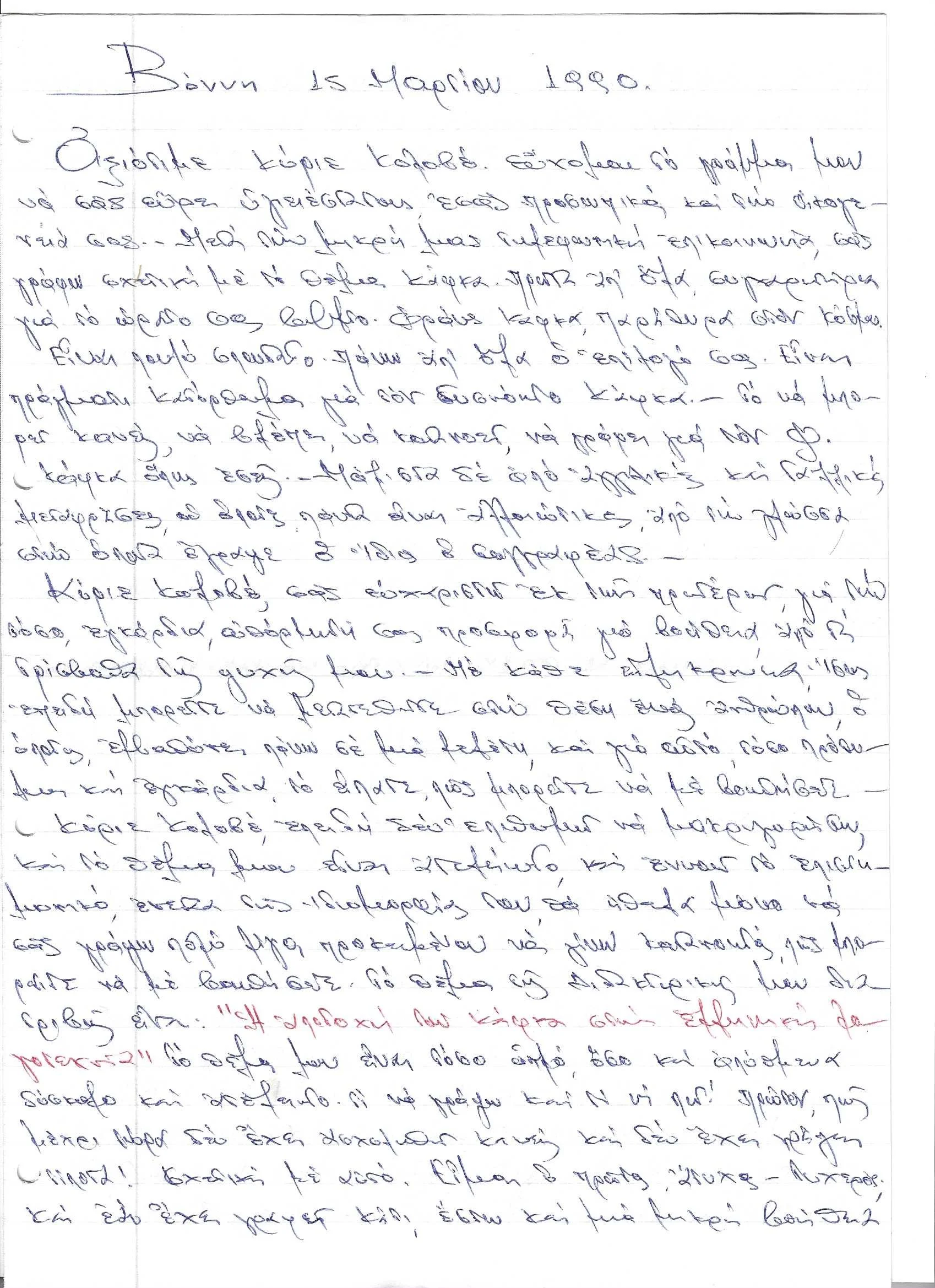
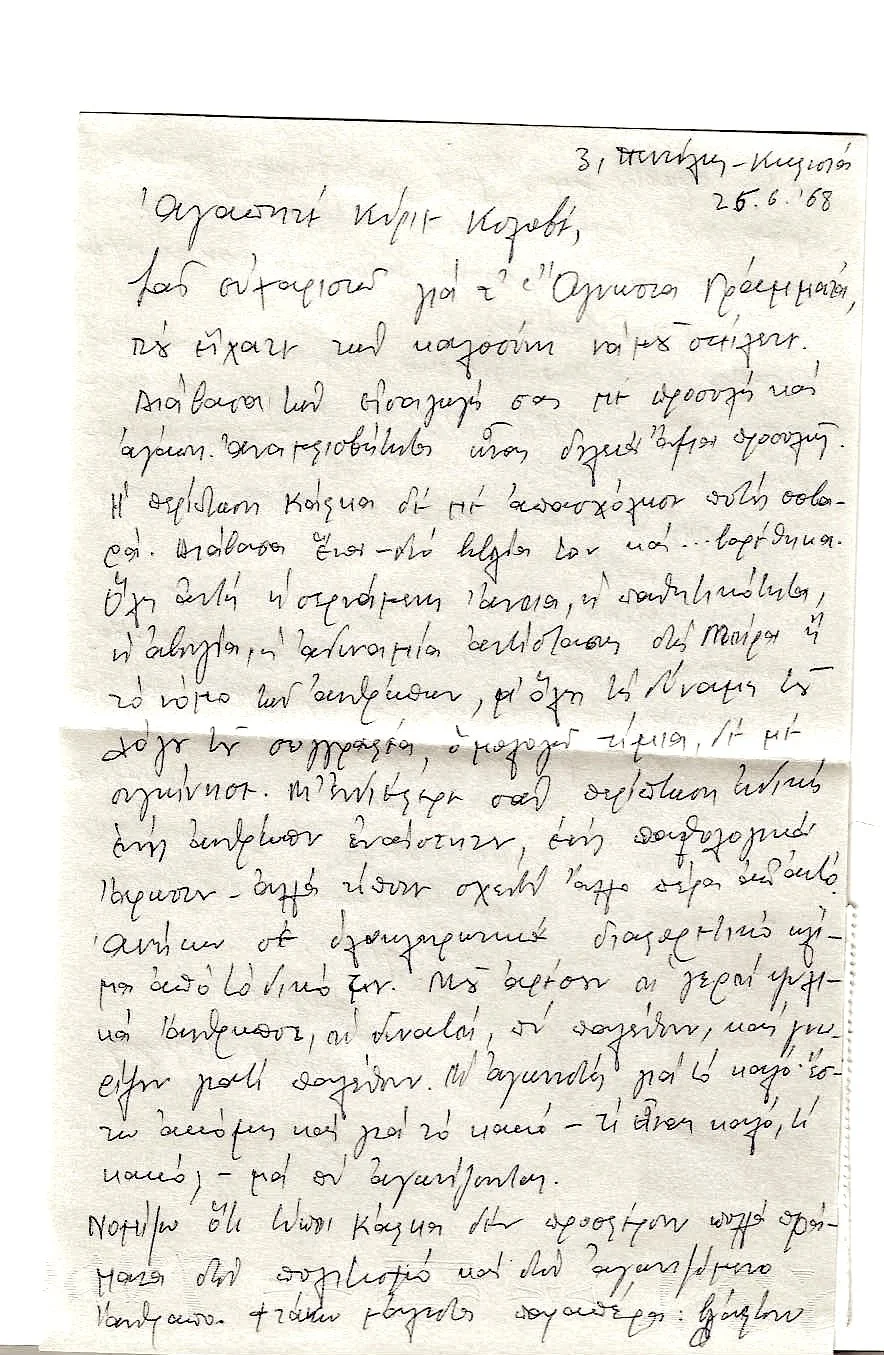
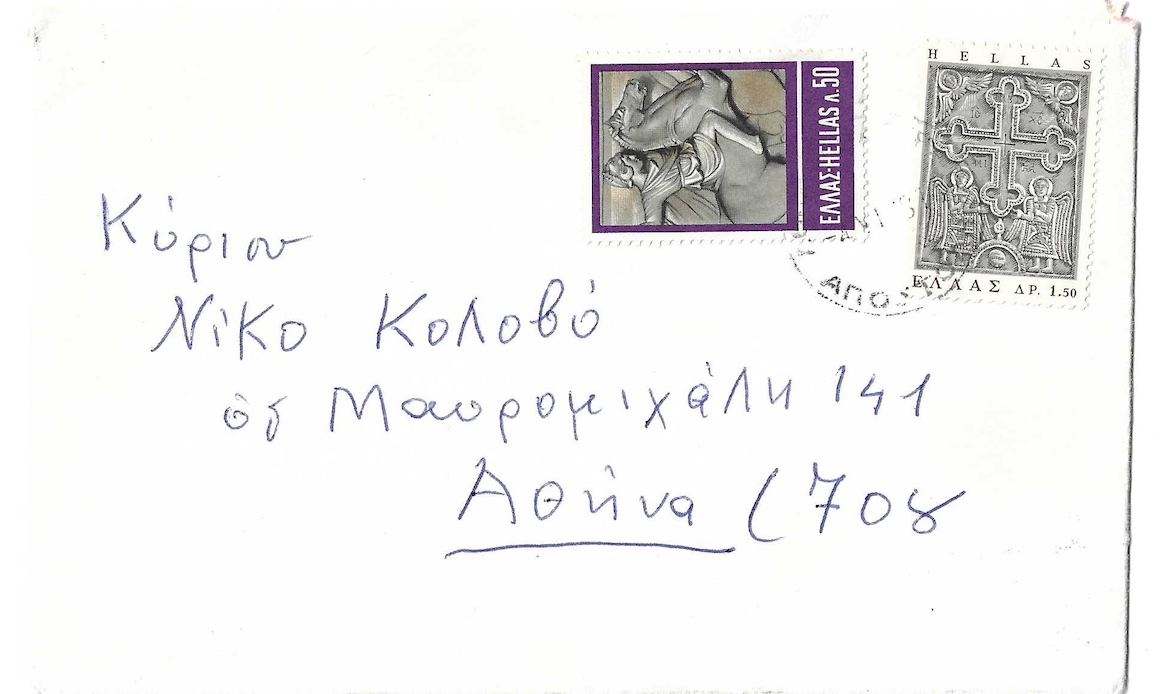
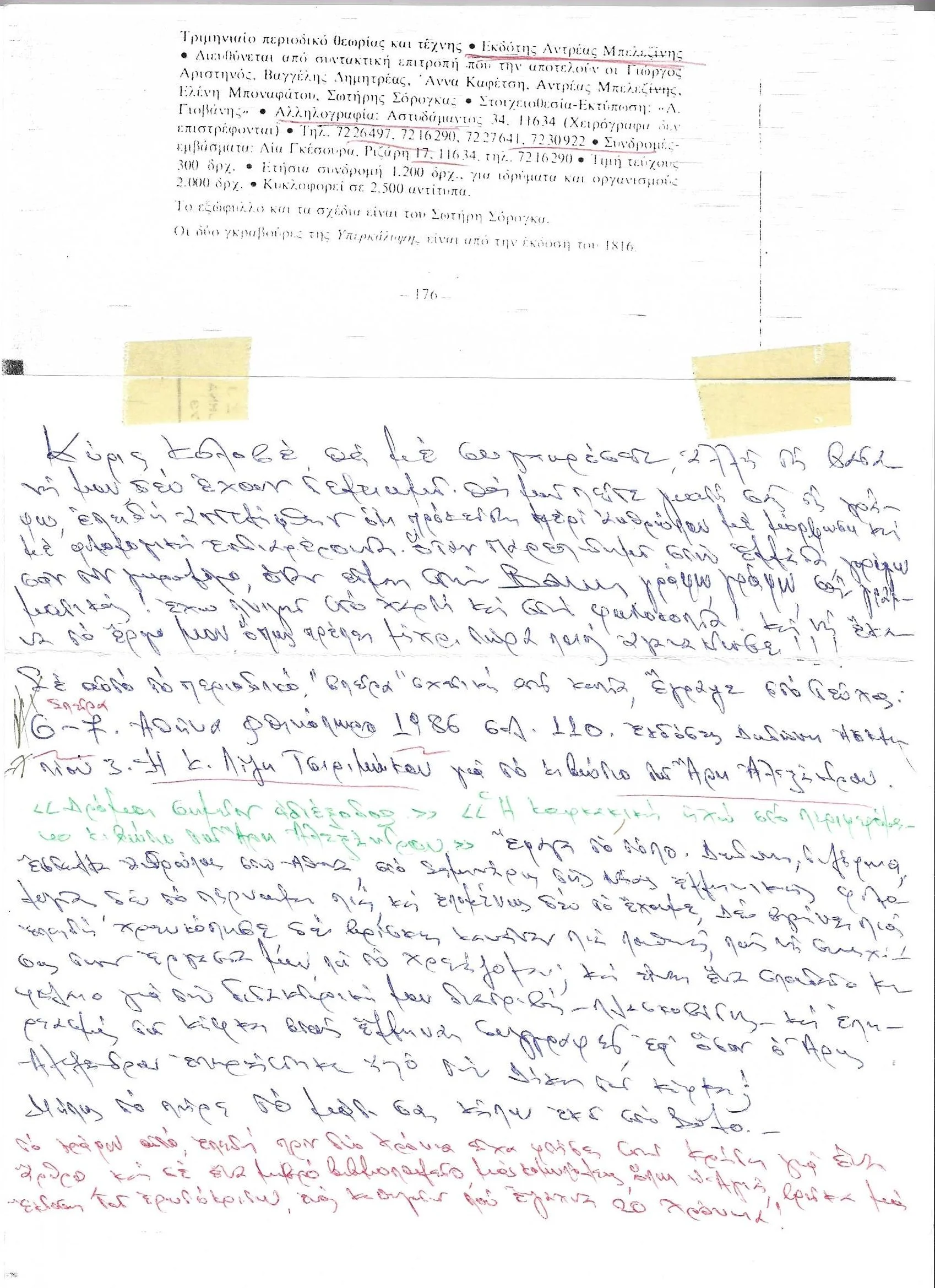
Nikos Kolovos's intellectual life was, in equal measure, a life of reading texts and a life of reading images. From his desk in Volos he built a world of transnational correspondence, with letters arriving from France, Germany, Vienna, Athens, and Greek-speaking circles and diasporas abroad, carrying clippings from Figaro Littéraire, photocopied essays, references to Kafka and Blanchot, working notes on writers and filmmakers he thought about. Greeks at home and in diaspora sent him newspapers and references, critiqued his drafts and fed him source material. These letters form part of his process and the practice that produced his publishing works, showing a mind that kept in conversation with European literary and theoretical culture without ever leaving his Greek port city. They form part of this archive on the same as the photographs.
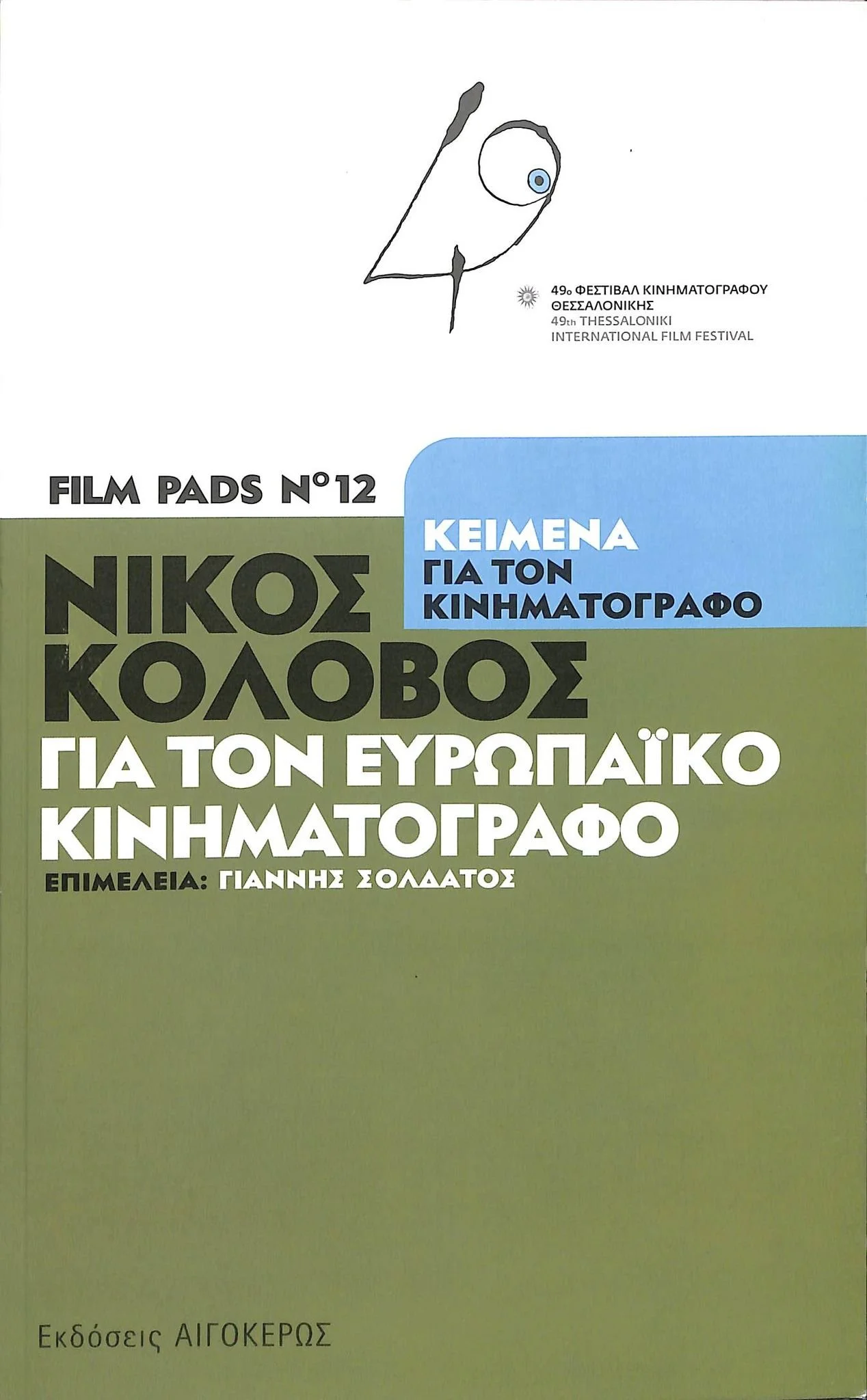
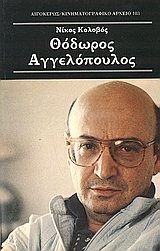
What comes up from both the correspondence and the published work is a person who acknowledged an attention to how images mean. His four books on cinema, all published with Aigokeros, consider film as a sociological and ideological apparatus. Sociology of Cinema [pictured on the left] reads film as a producer of social meaning. The Comic in Cinema, published as a special issue of the journal Othoni, studies how visual and structural devices generate humor. The Woman in Cinema [pictured on the right] is an iconographic study of how a single recurring human figure is constructed across the medium, or how the repetition of one subject, frame after frame, accumulates meaning beyond any individual image. His monograph on Theo Angelopoulos [pictured on the right] tends to a Greek filmmaker whose long-take cinema of memory, landscape and silence/quietude shares aspects with the photographs collected in the archive.
Alongside this writing, Kolovos translated key works of critical theory into Greek, most consequentially Walter Benjamin's essays on Brecht, but also Tom Bottomore's Marxism and Sociology, François Albéra's For a Dialectical Cinema, and Robert Kalivoda's Freudism and Marxism, all with Pyli editions. The Benjamin translation in particular places Kolovos within the European Marxist tradition that gave us, elsewhere, the foundational theory of photography in the age of mechanical reproduction.
Many of these works, especially those concerning law and film criticism, remain in active use today at the University of Thessaly's cultural studies department, where they continue to do the work he wrote them to do.
Archive
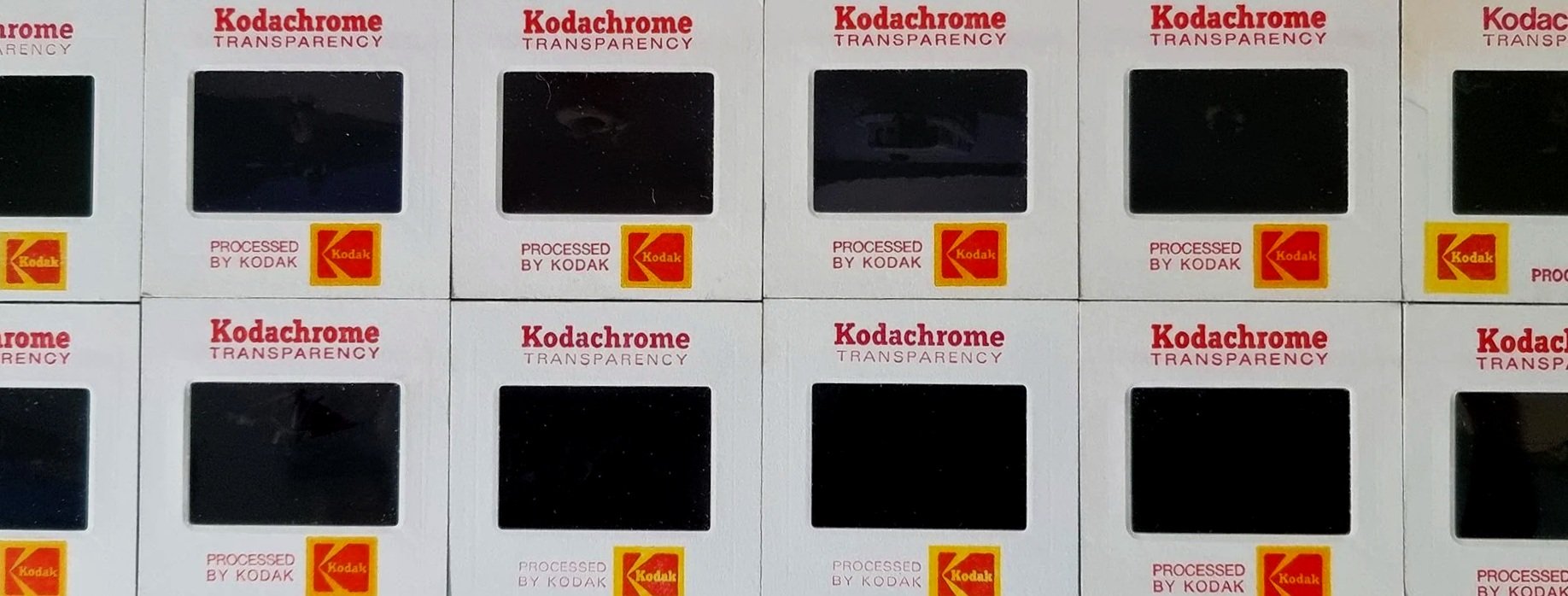
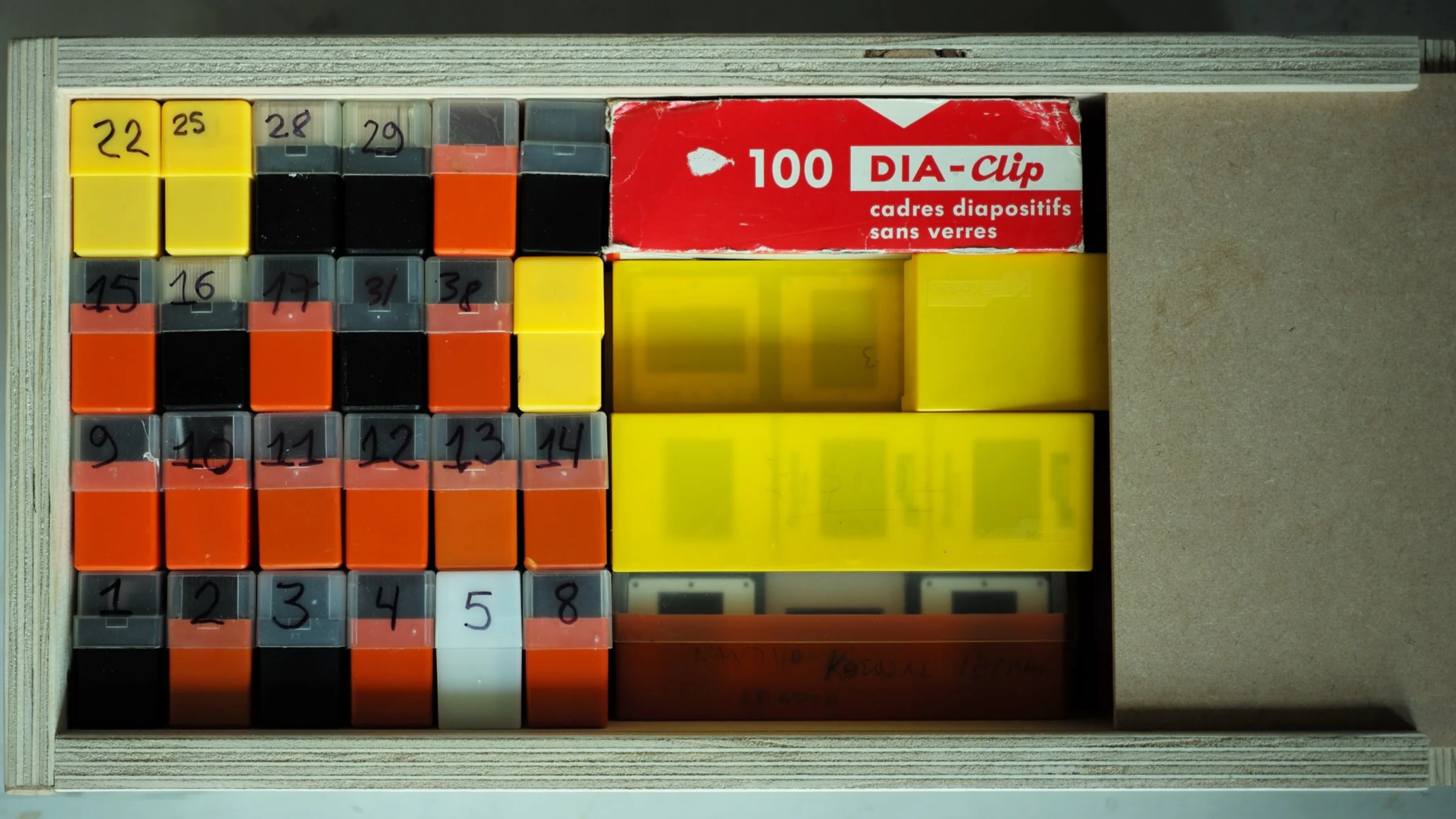
Positive Colour Slides
Archive
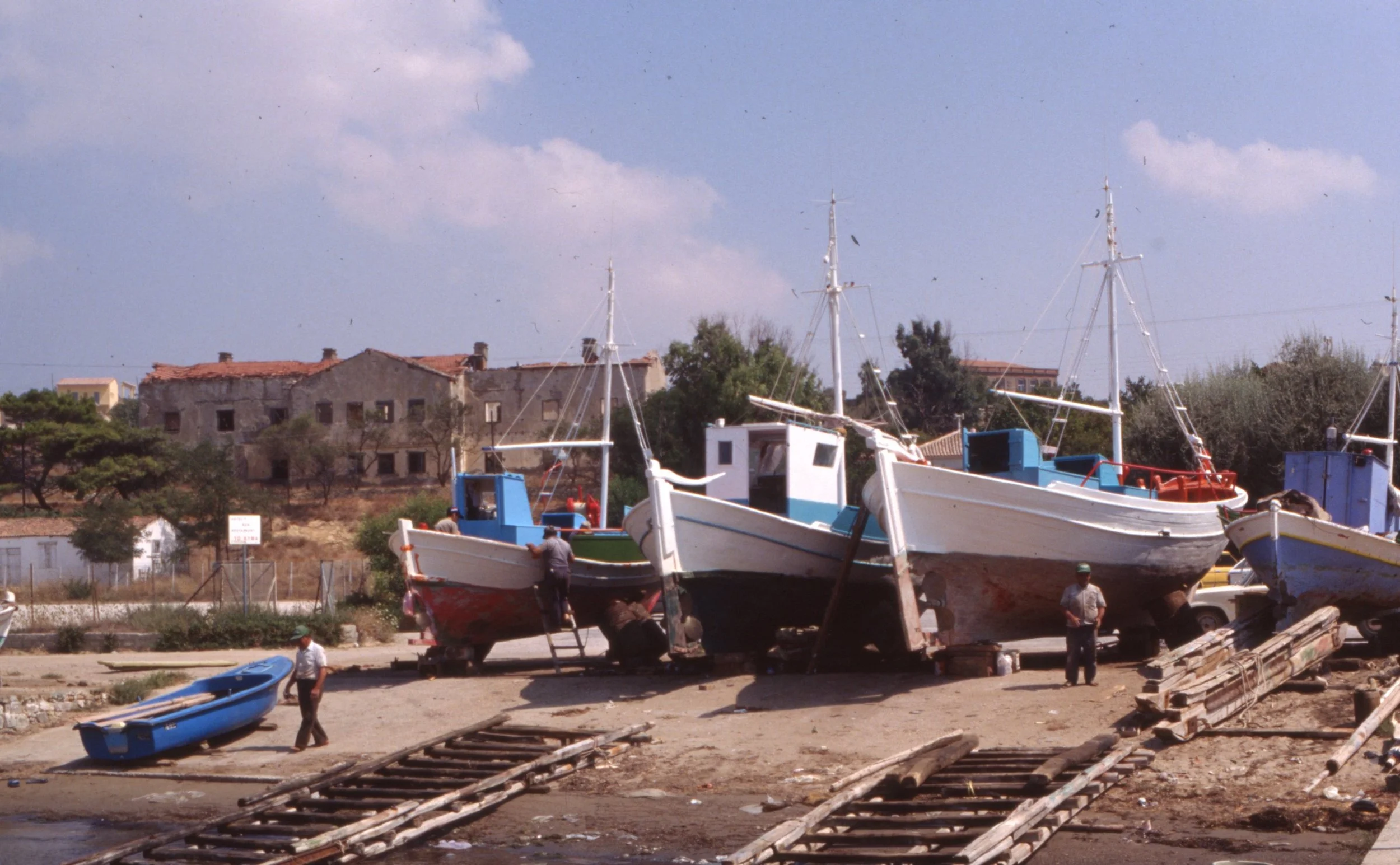
The colour slide archive holds a lot of Nikos’s travel photography across Europe and the Mediterranean, including the Netherlands, the Greek islands, the Balkan countries and Egypt. It seems he worked primarily with colour slide film, and enjoyed photographing ports, streets, monuments and everyday landscapes with a direct approach, never staged. The scans preserve the original tonal qualities of the slides, including colour shifts, film grain and signs of aging present in the archive. None of the photographs have undergone editing of any kind. Permission to share has been granted by the Kolovos family.
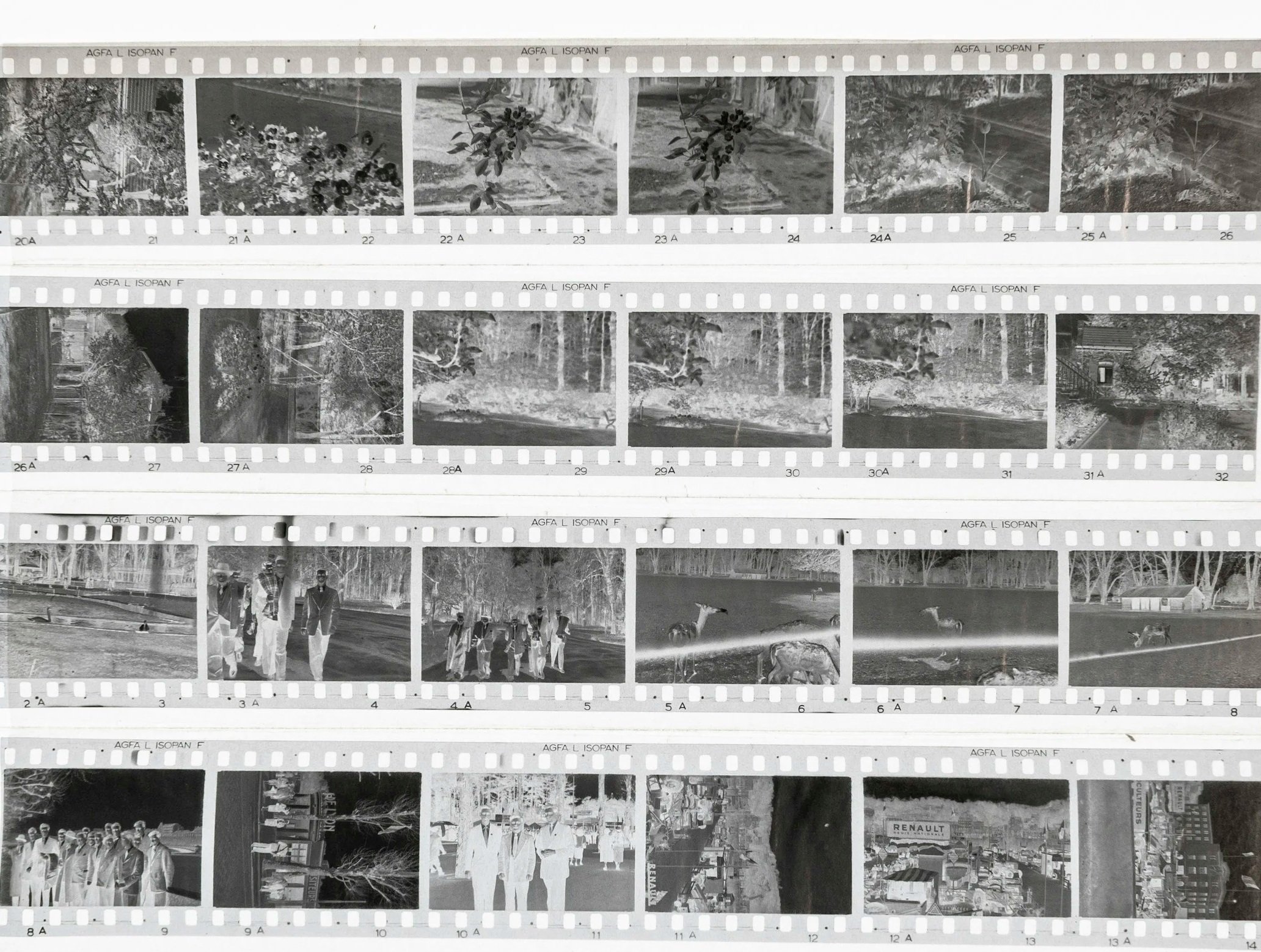
Black and White Photo Archive
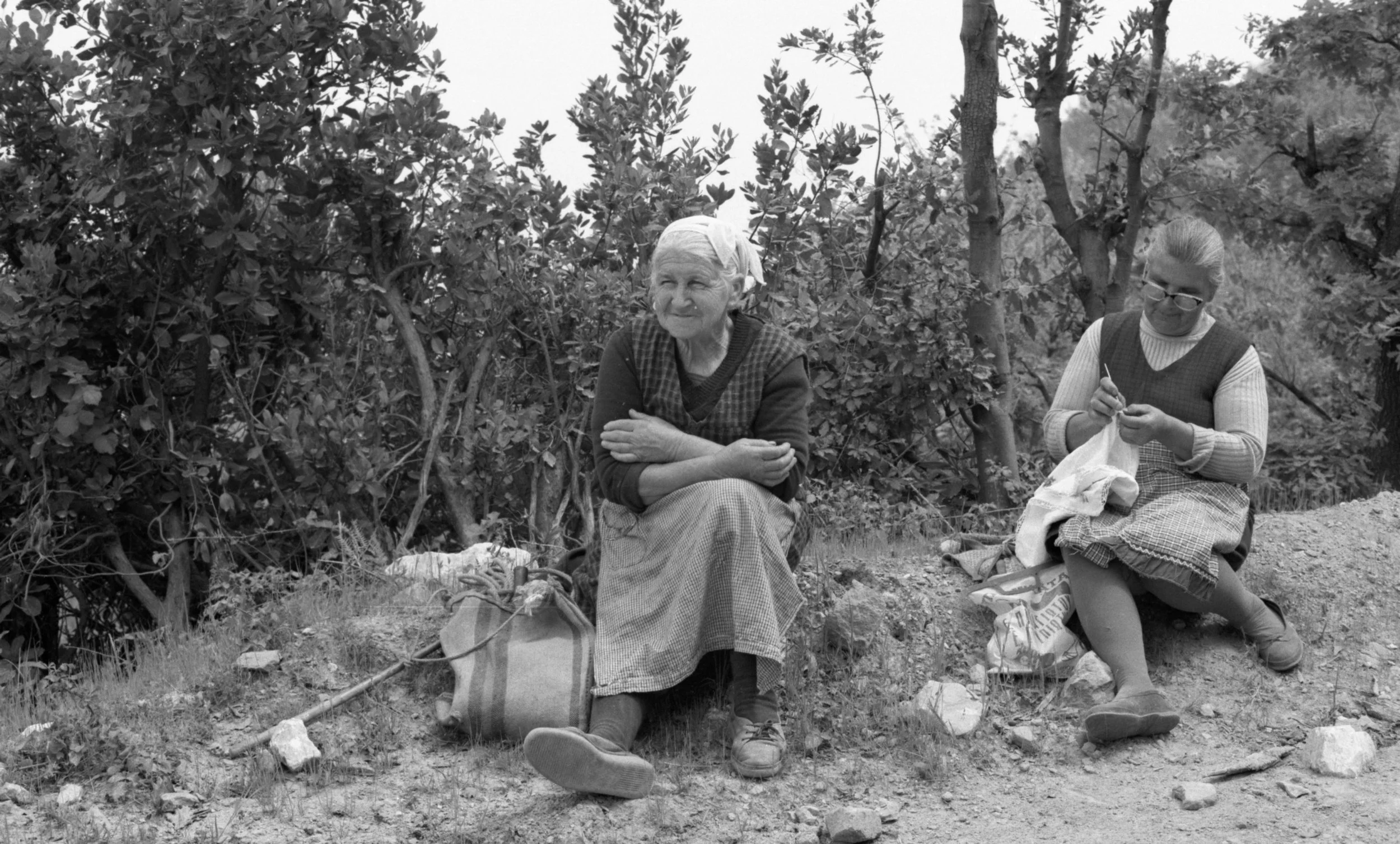
The black and white archive focuses more closely on people and daily life. Shot on 35mm film, I find these photographs reflect Nikos’s documentary or journalistic sensibility, capturing informal portraits, street scenes and social spheres with a strong cinematic atmosphere. Compared to the colour work, the black and white images feel more intimate. The digitised negatives have not been edited and they retain the physical texture of the original film material, including grain, dust and other exposure imperfections. It has been said by family members that knew him that Nikos preferred working with black and white photographs.
Reading a Photograph: Memory Work & Cluster Analysis
The methodology that organises this archive, and its experience, draws from Marianne Hirsch's work on family photographs and posthumous looking. Hirsch describes the structure of looking as reciprocal: "photographer and viewer collaborate on the reproduction of ideology. Between the viewer and the recorded object, the viewer encounters, and/or projects, a screen made up of dominant mythologies and preconceptions that shape the representation." Her point is that we project our own histories, expectations and cultural frames onto the image when viewed. The image is, in this sense, a meeting place.
This project takes that premise seriously. Rather than trying to identify what exactly Nikos Kolovos meant by his photographs, which is an effort that would, in any case, require him to be present and willing to answer, this archive uses what Hirsch and others call memory work: a practice of attending to recurring motifs, repeated subjects, and patterns of attention across an archive, and asking what kinds of meaning emerge from the patterns themselves. We have called our particular version cluster analysis: the grouping of images by recurring subject or motif as a way of reading the archive.
The clusters presented here are not definitive and are one reading among many. The viewer is invited to look through them, find others, contest the ones offered, and arrive at their own.