Reading a Photograph: Memory Work & Cluster Analysis
The methodology that organises this archive, and its experience, draws from Marianne Hirsch's work on family photographs and posthumous looking. Hirsch describes the structure of looking as reciprocal: "photographer and viewer collaborate on the reproduction of ideology. Between the viewer and the recorded object, the viewer encounters, and/or projects, a screen made up of dominant mythologies and preconceptions that shape the representation." Her point is that we project our own histories, expectations and cultural frames onto the image when viewed. The image is, in this sense, a meeting place.
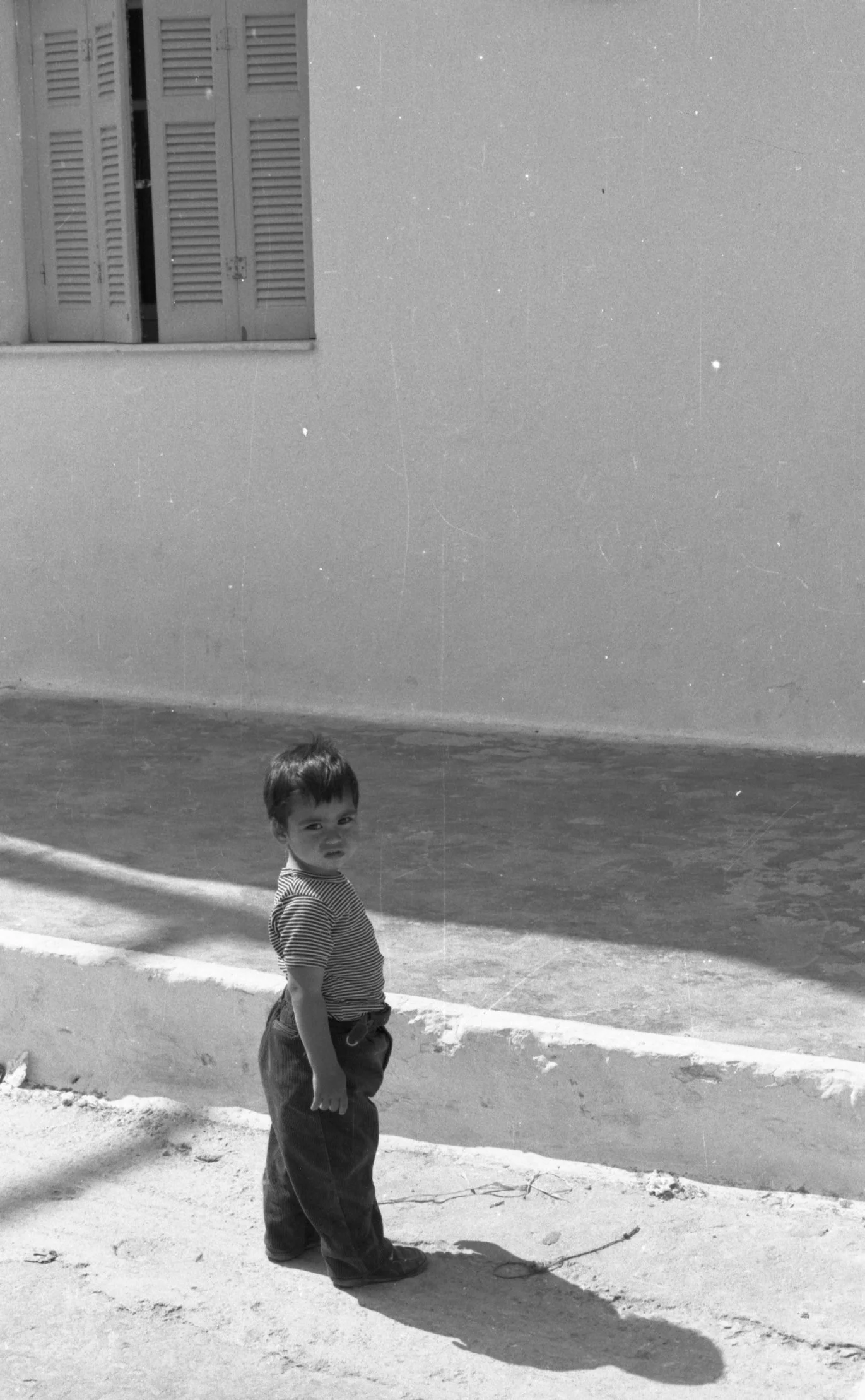
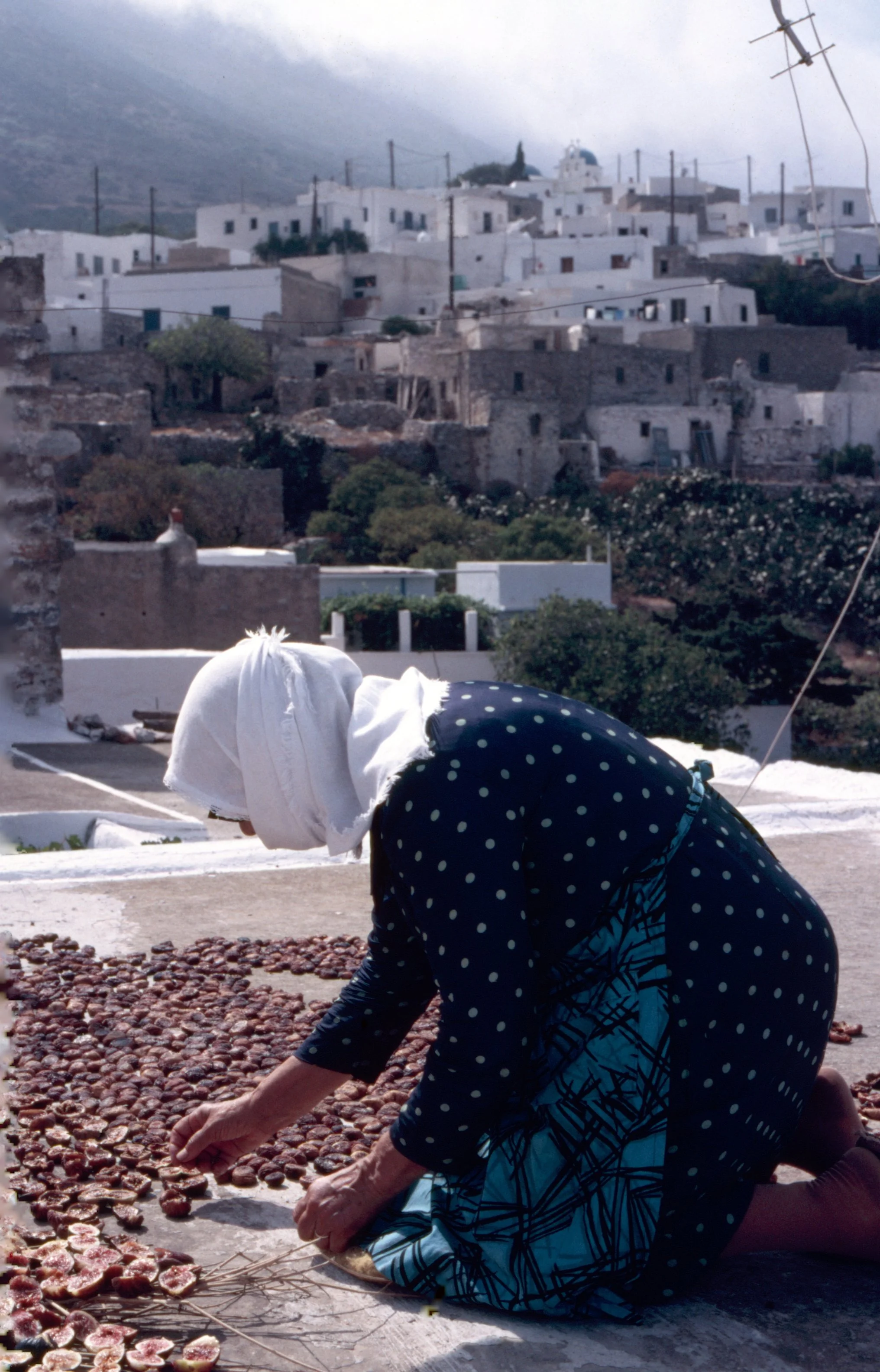
This project takes that premise seriously. Rather than trying to identify what exactly Nikos Kolovos meant by his photographs, which is an effort that would, in any case, require him to be present and willing to answer, this archive uses what Hirsch and others call memory work: a practice of attending to recurring motifs, repeated subjects, and patterns of attention across an archive, and asking what kinds of meaning emerge from the patterns themselves. We have called our particular version cluster analysis: the grouping of images by recurring subject or motif as a way of reading the archive.
The clusters presented here are not definitive and are one reading among many. The viewer is invited to look through them, find others, contest the ones offered, and arrive at their own.