Cluster I: Children
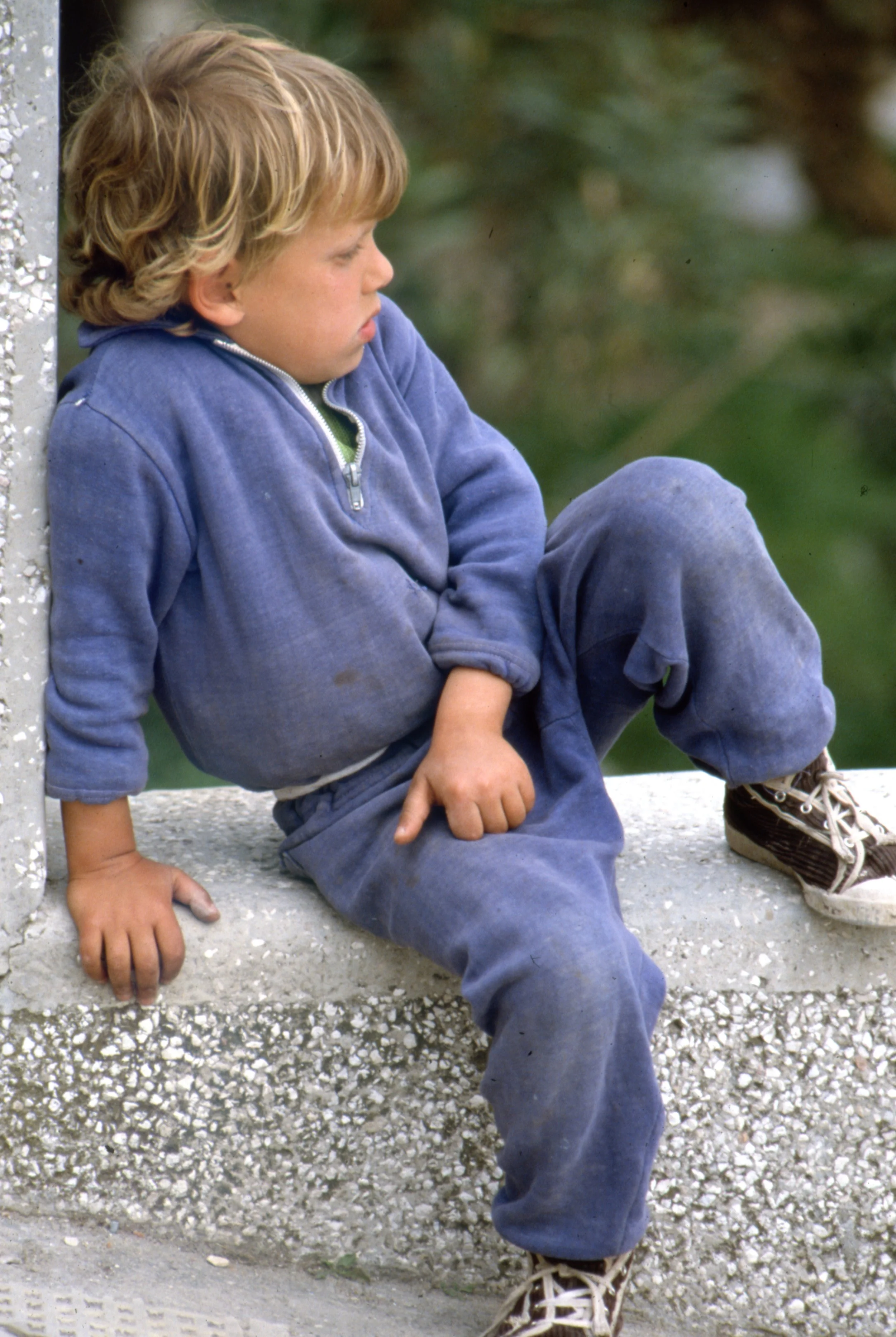
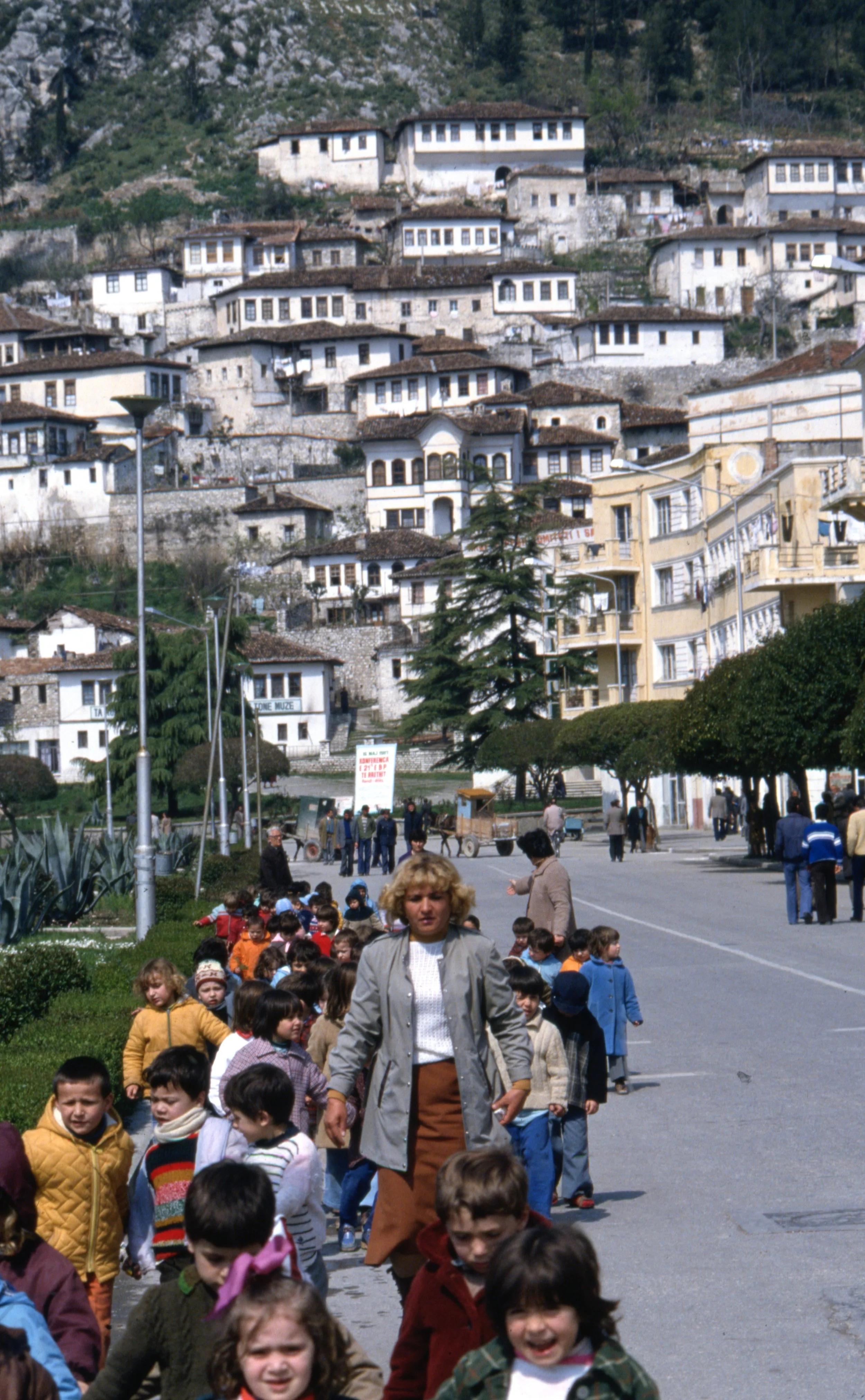
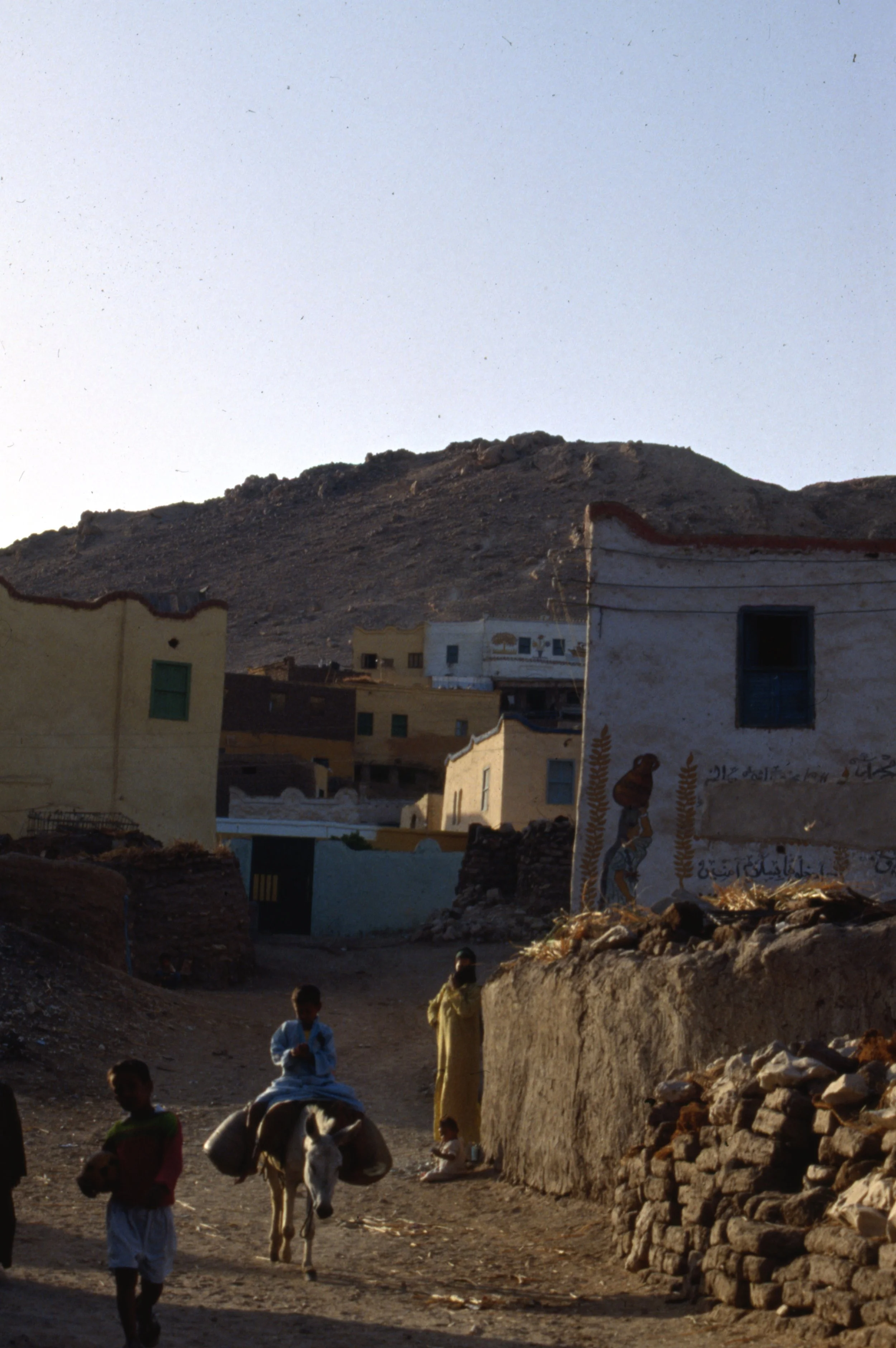
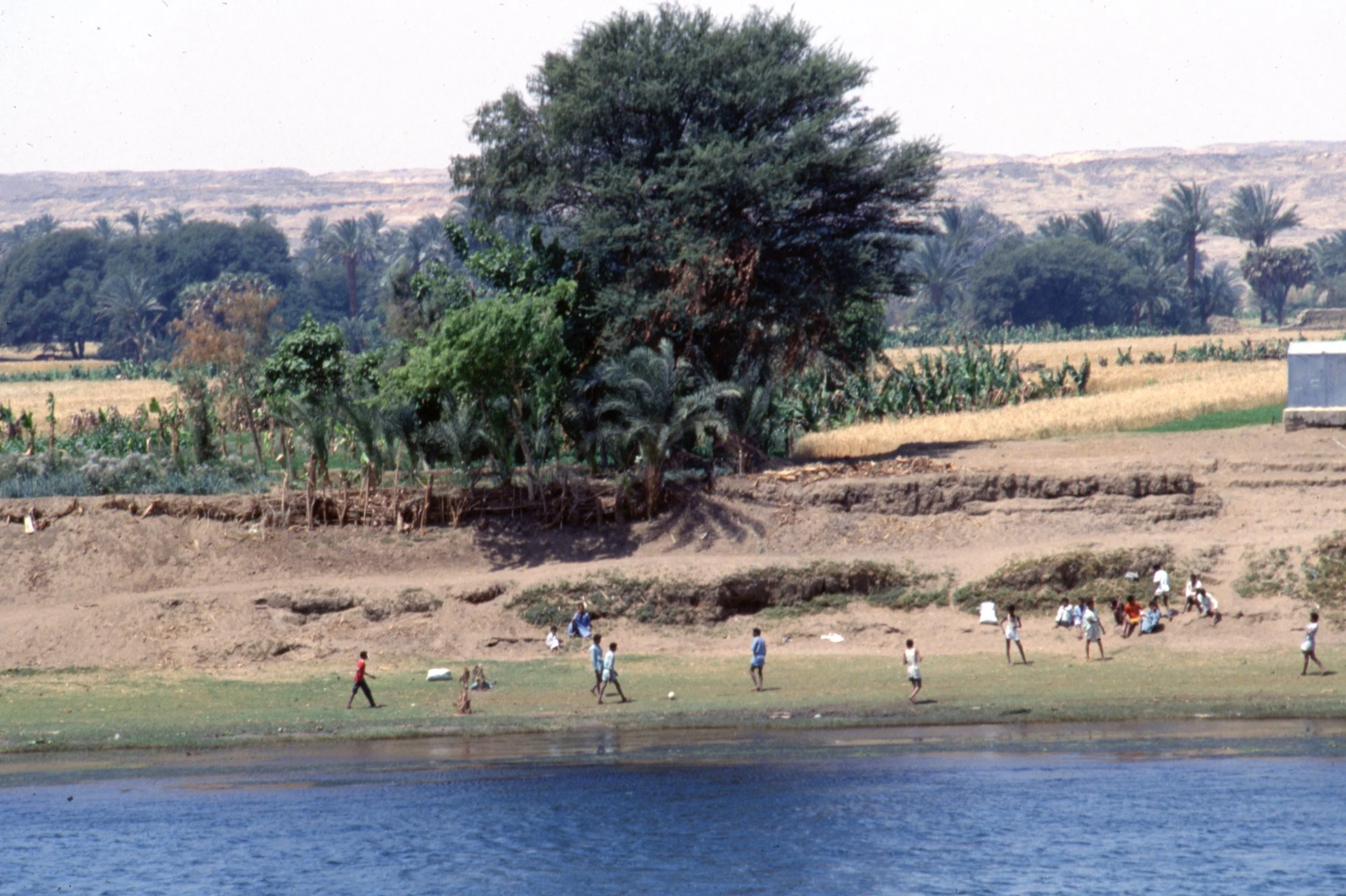
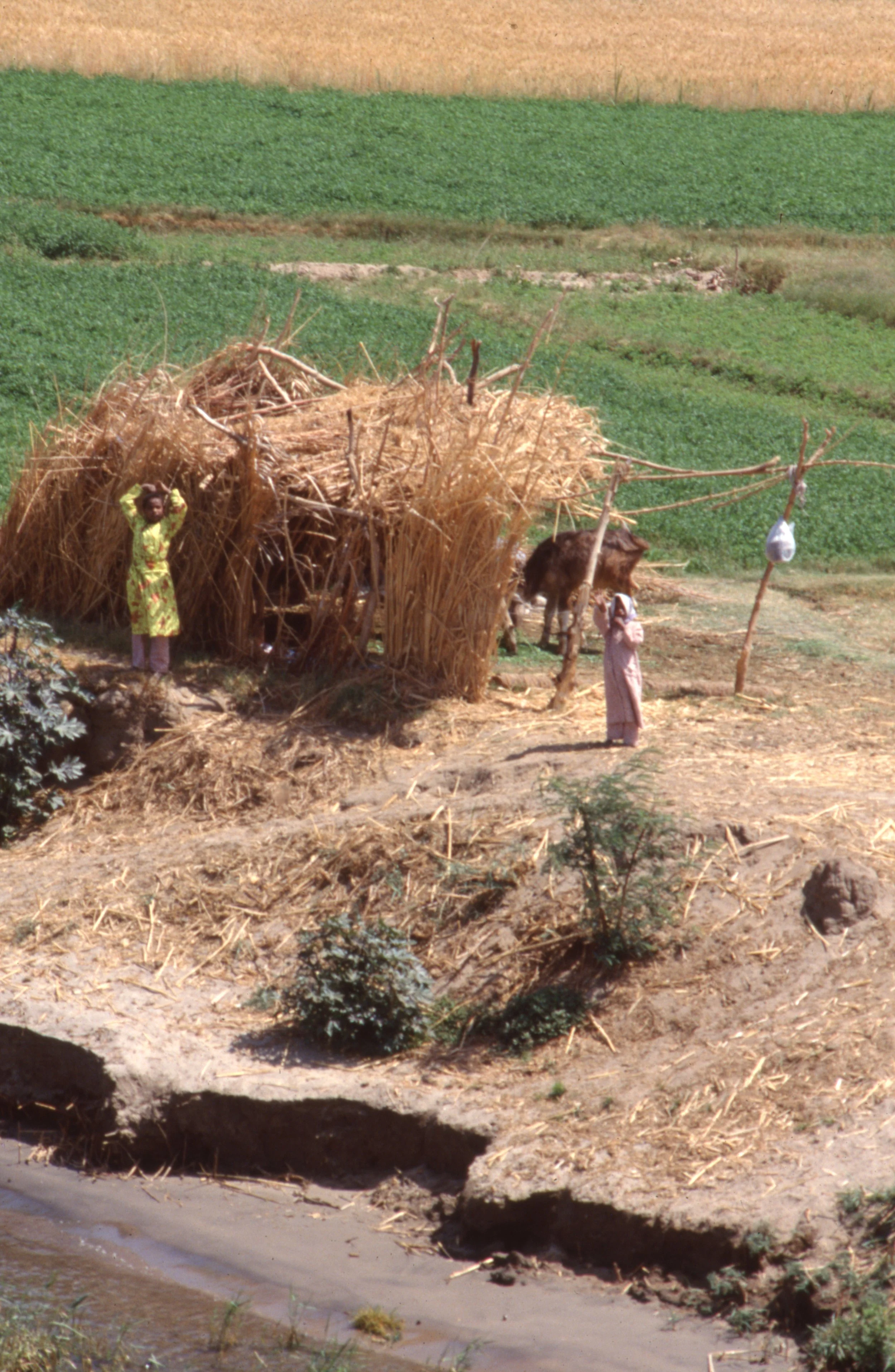
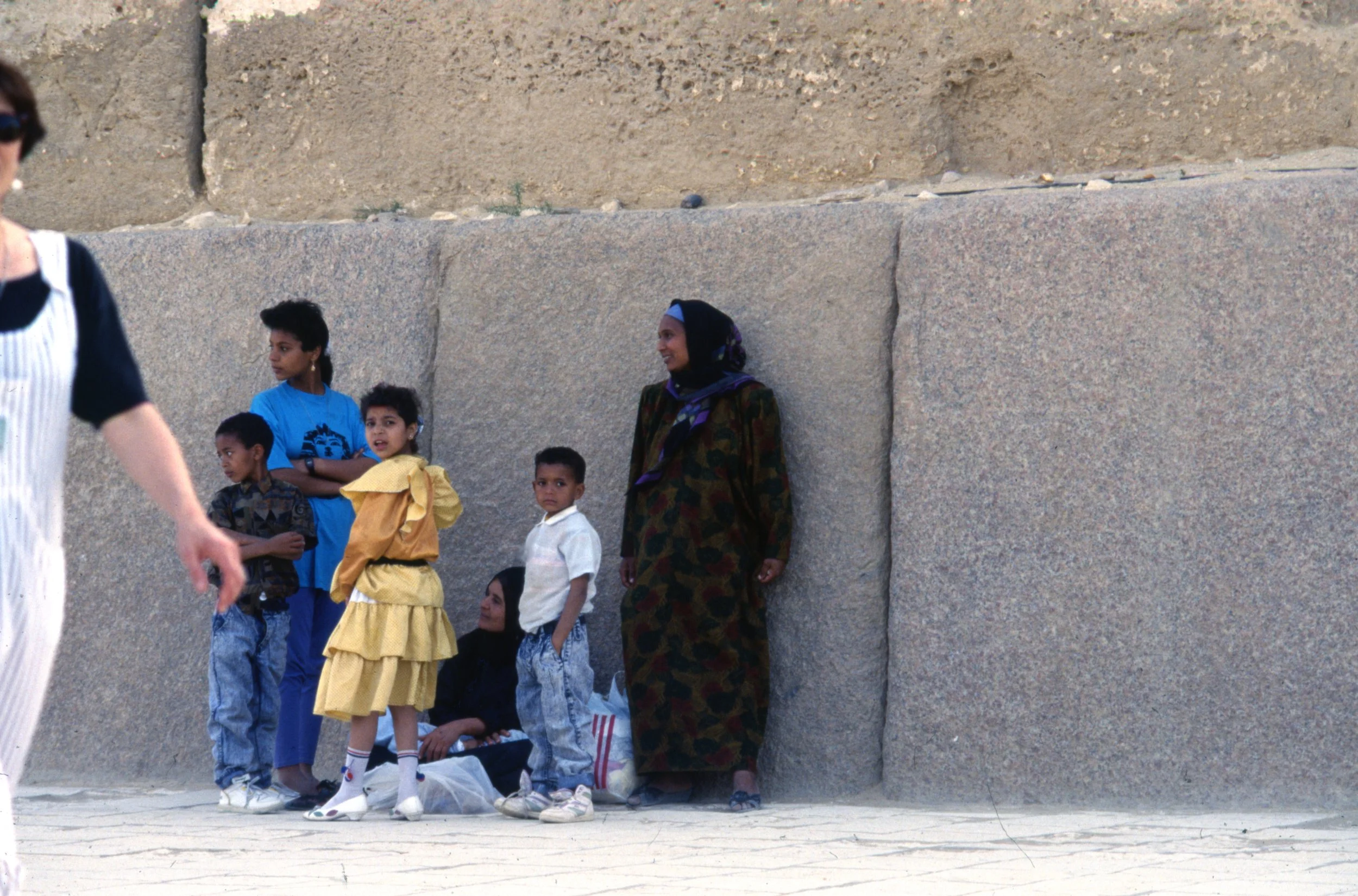
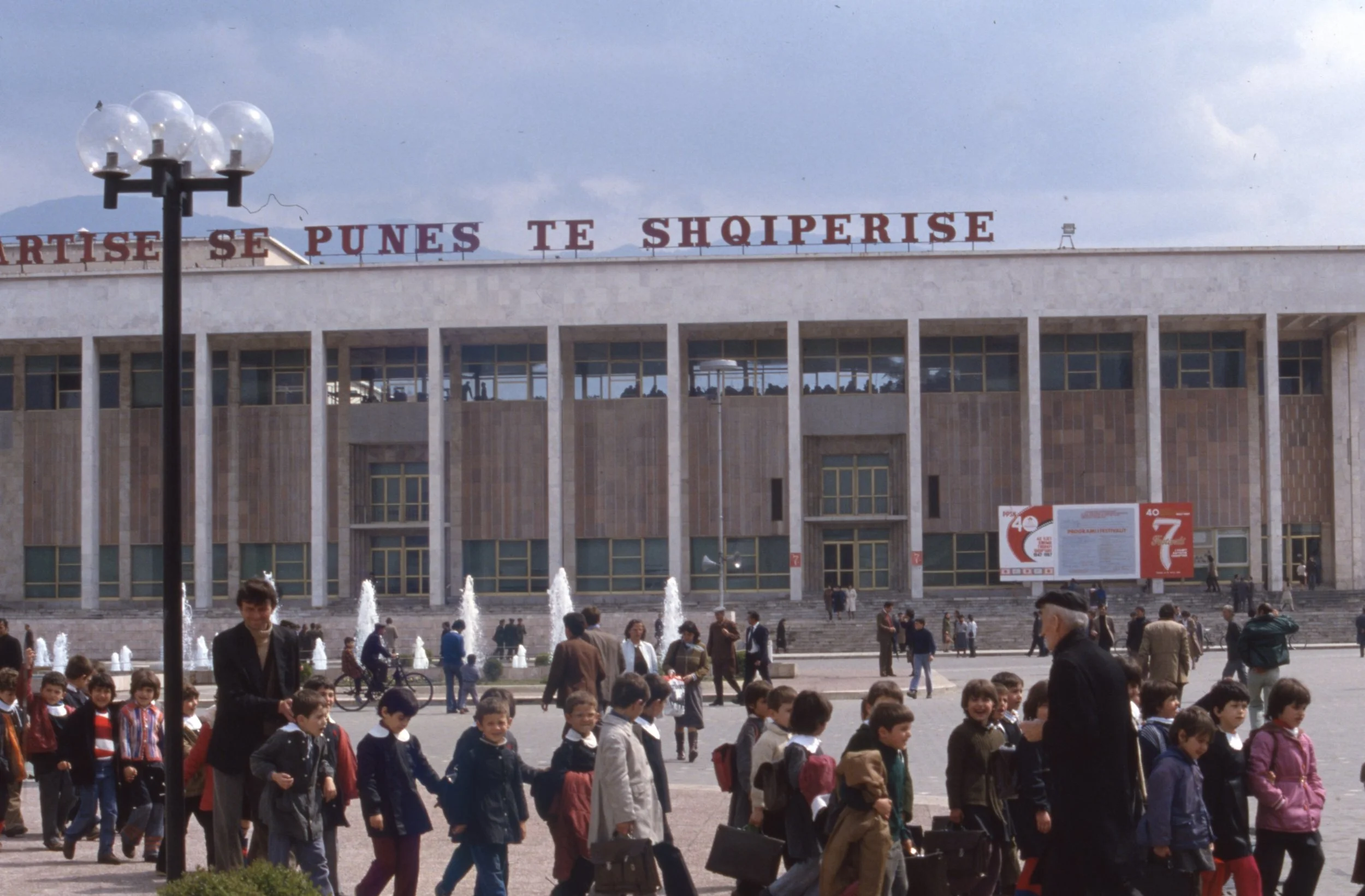
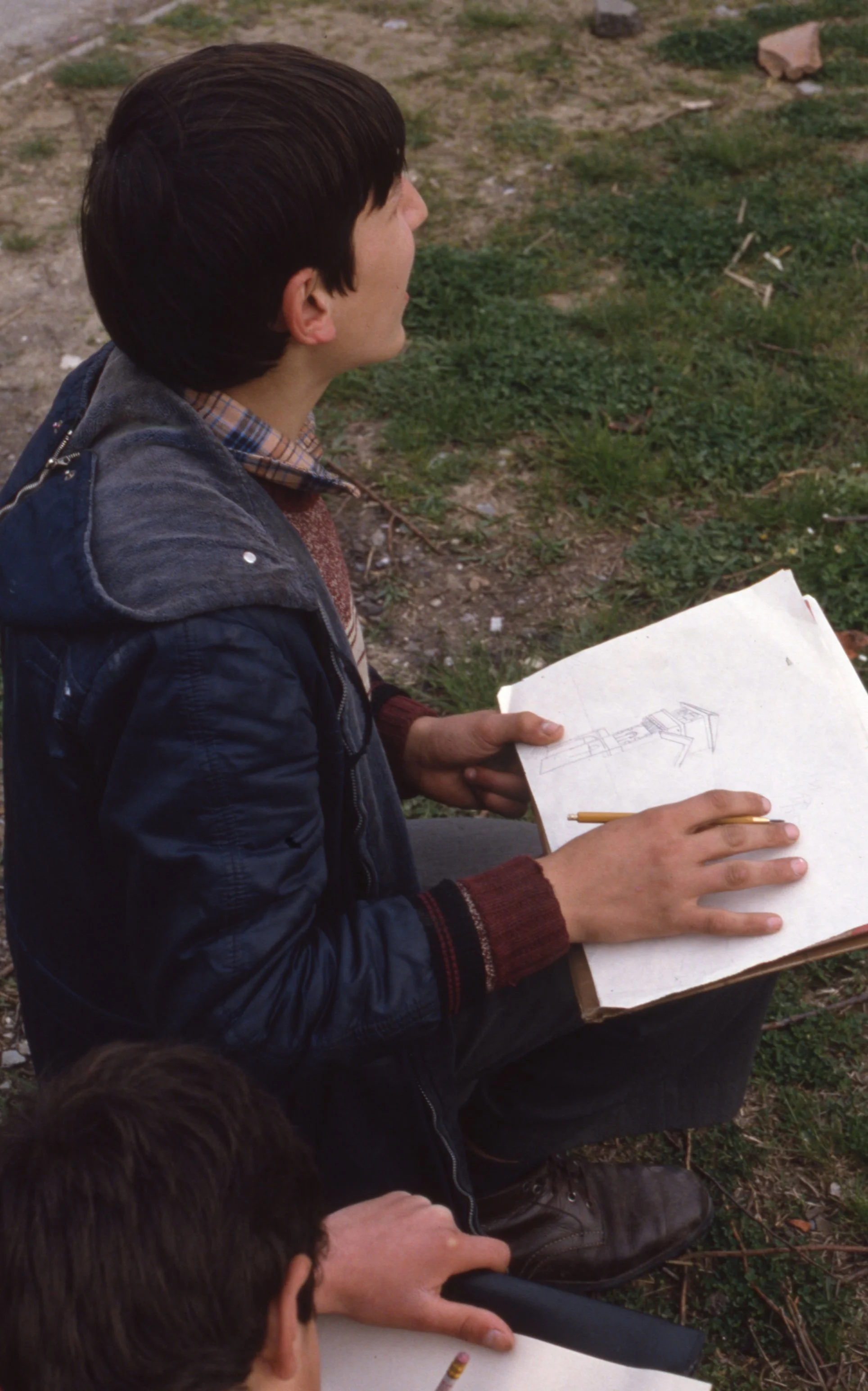
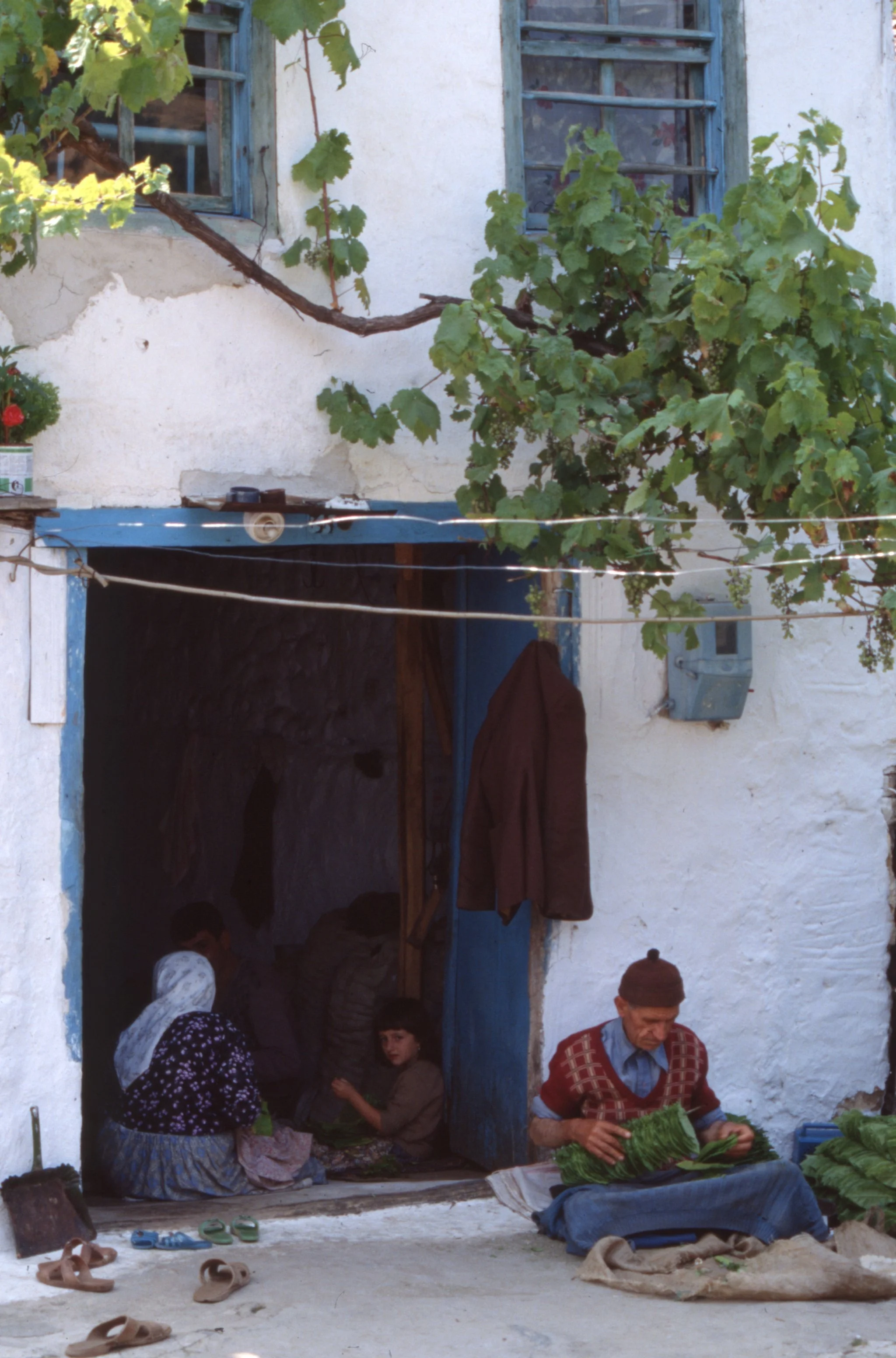
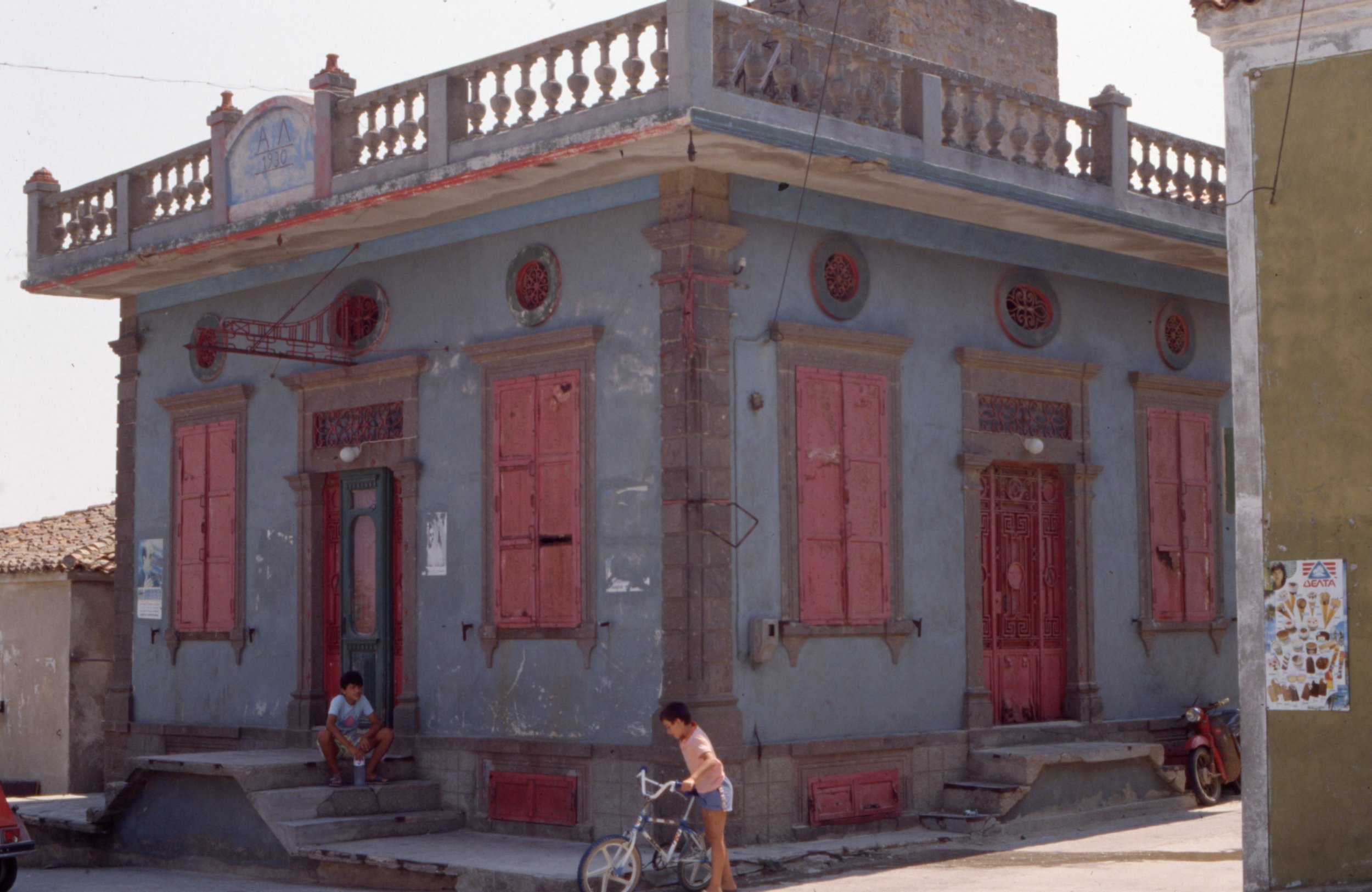
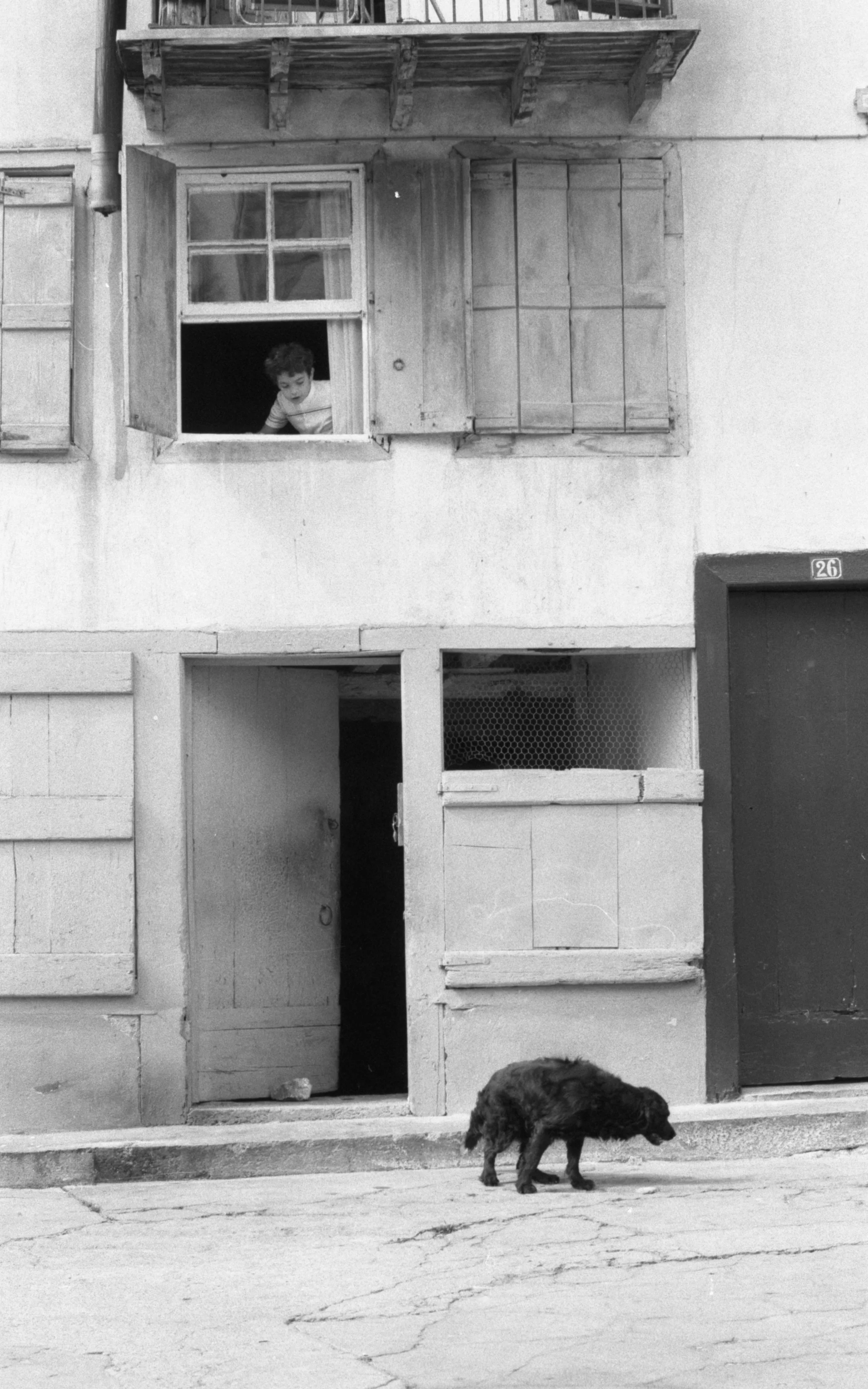
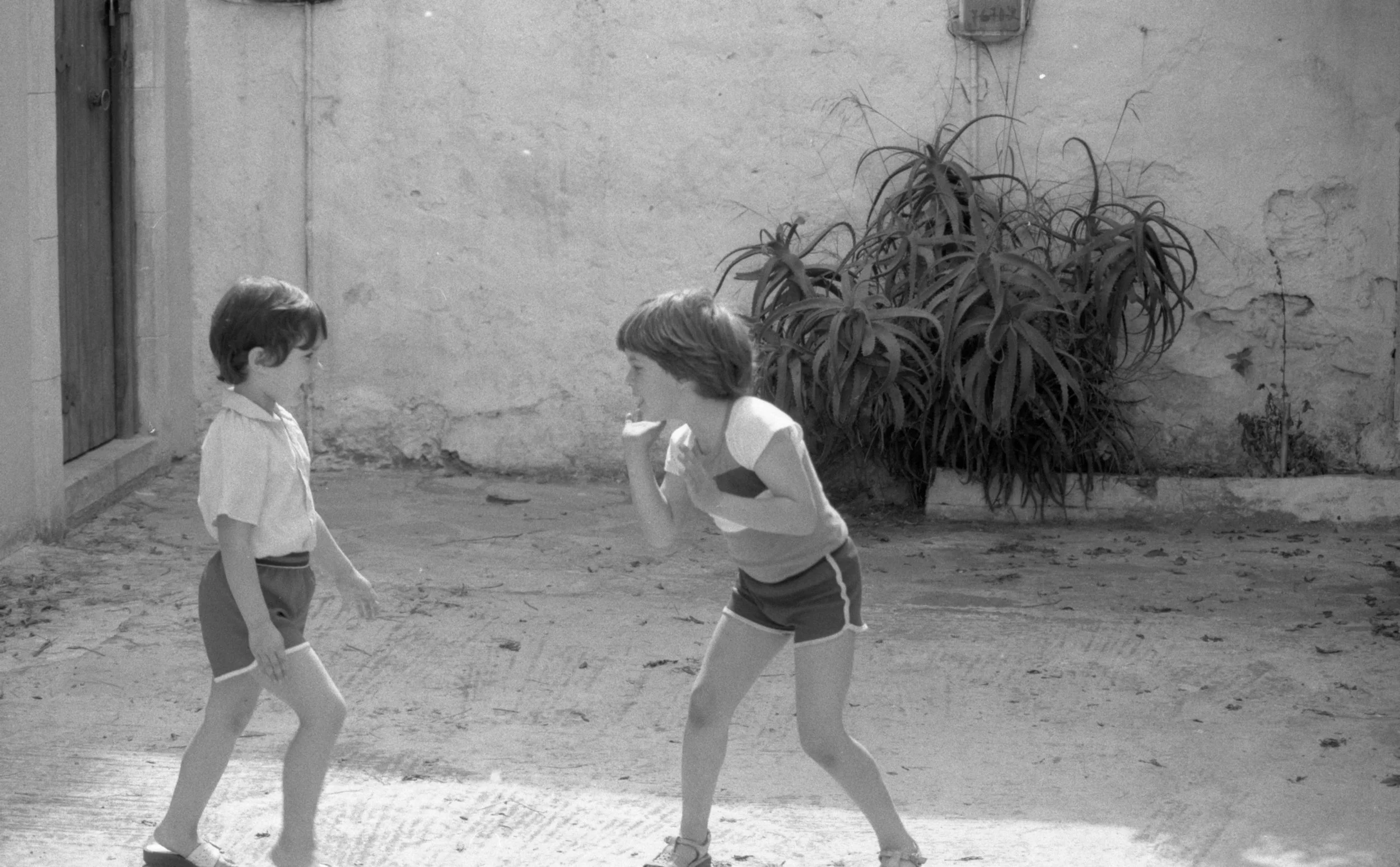
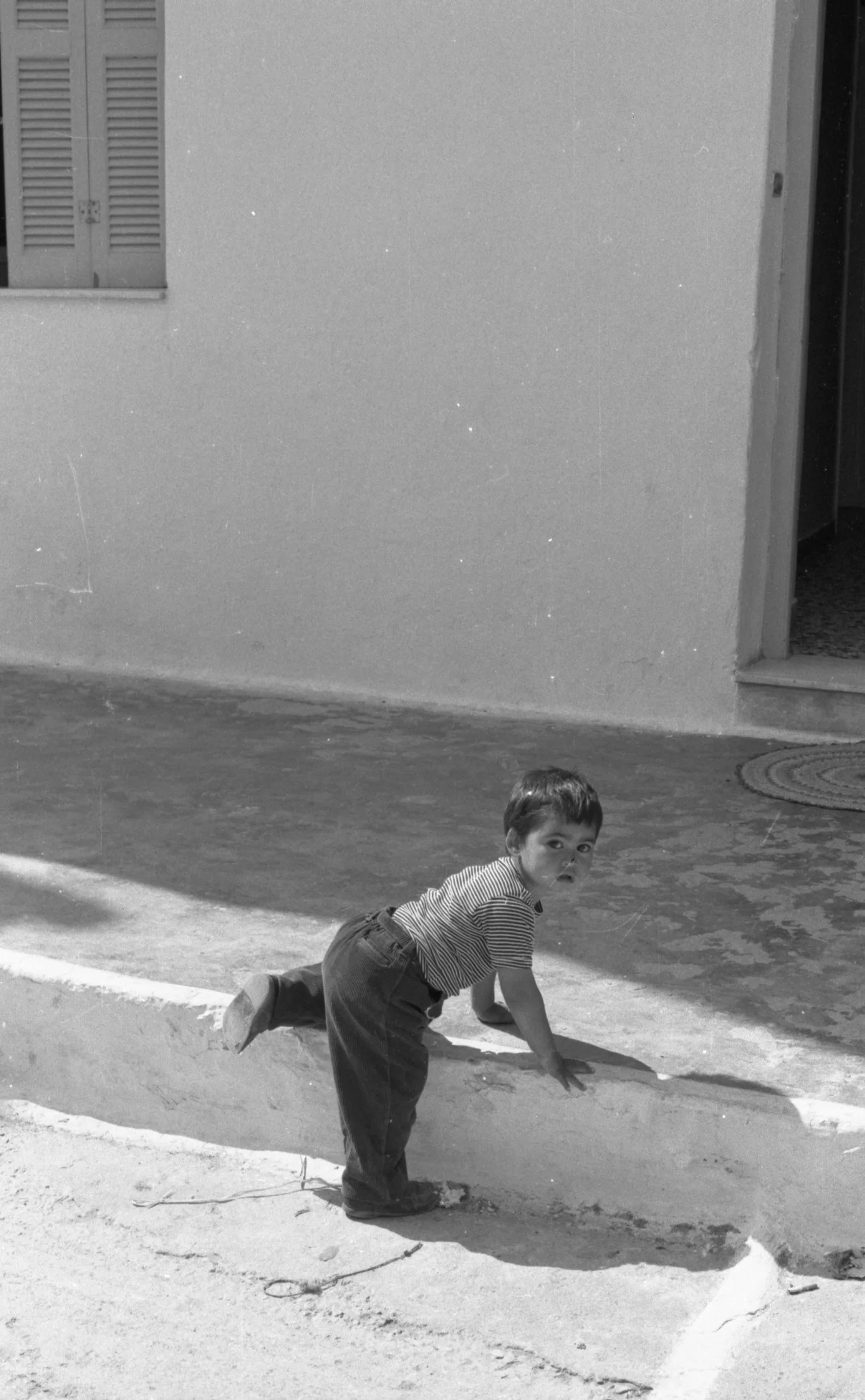
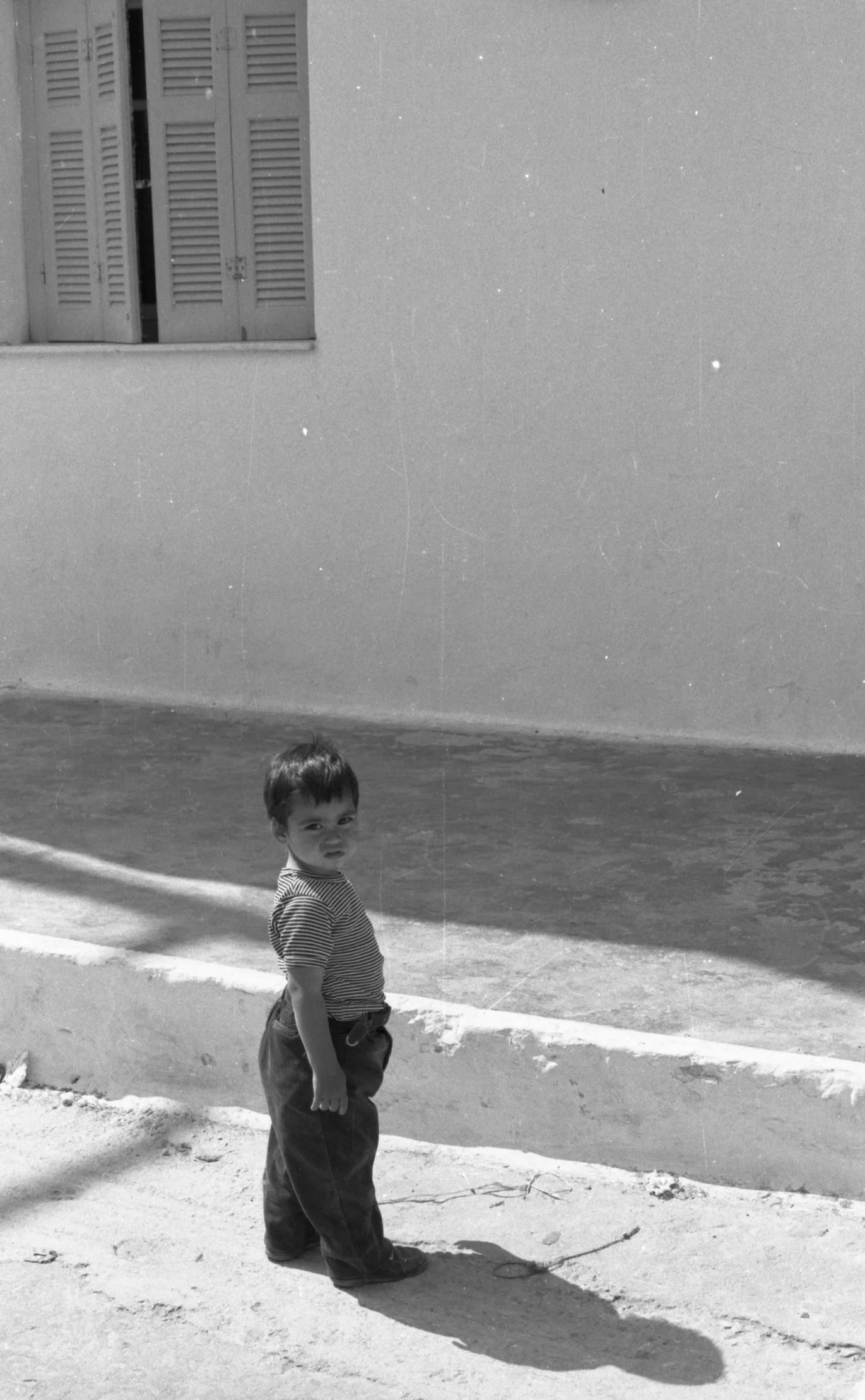
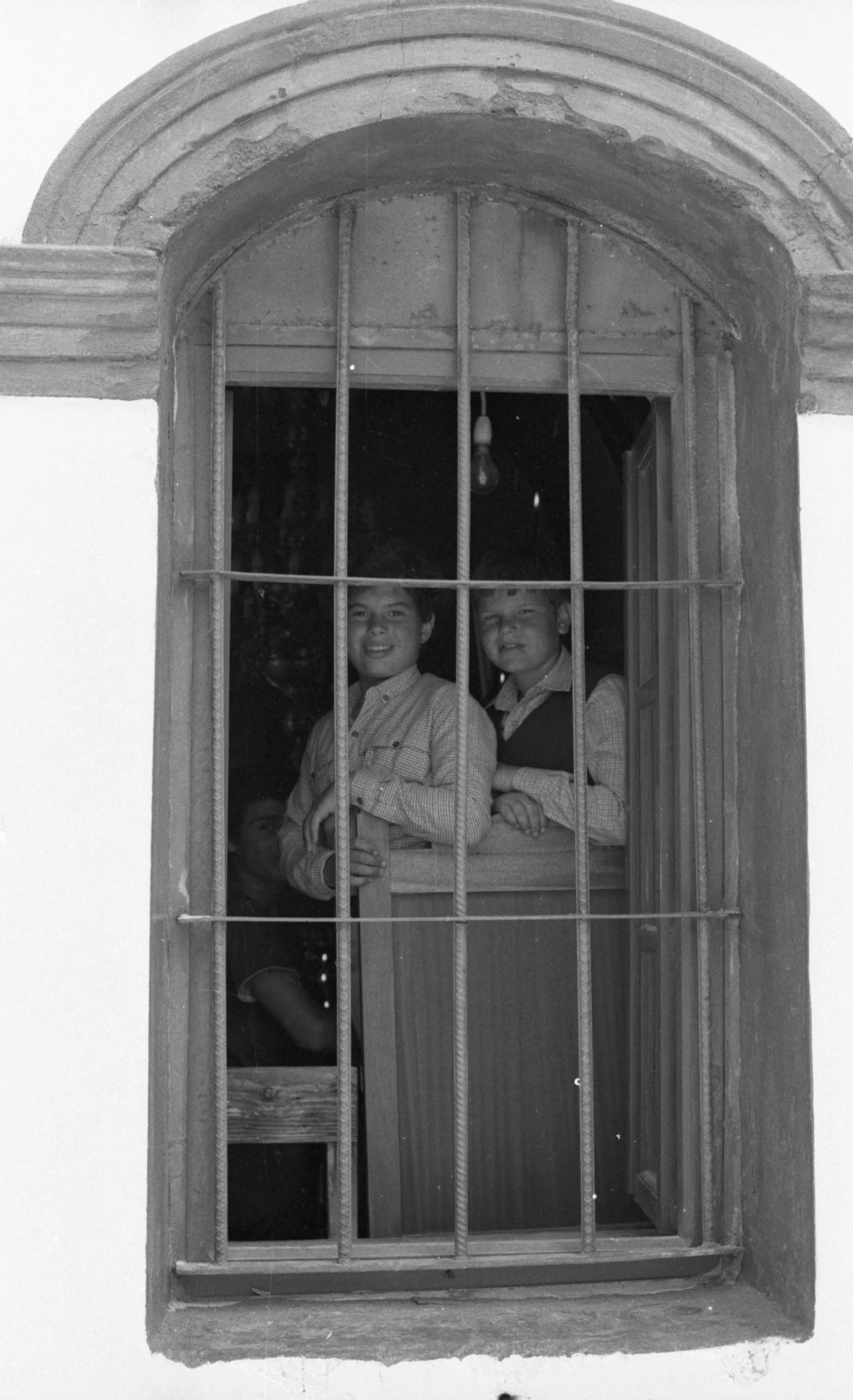
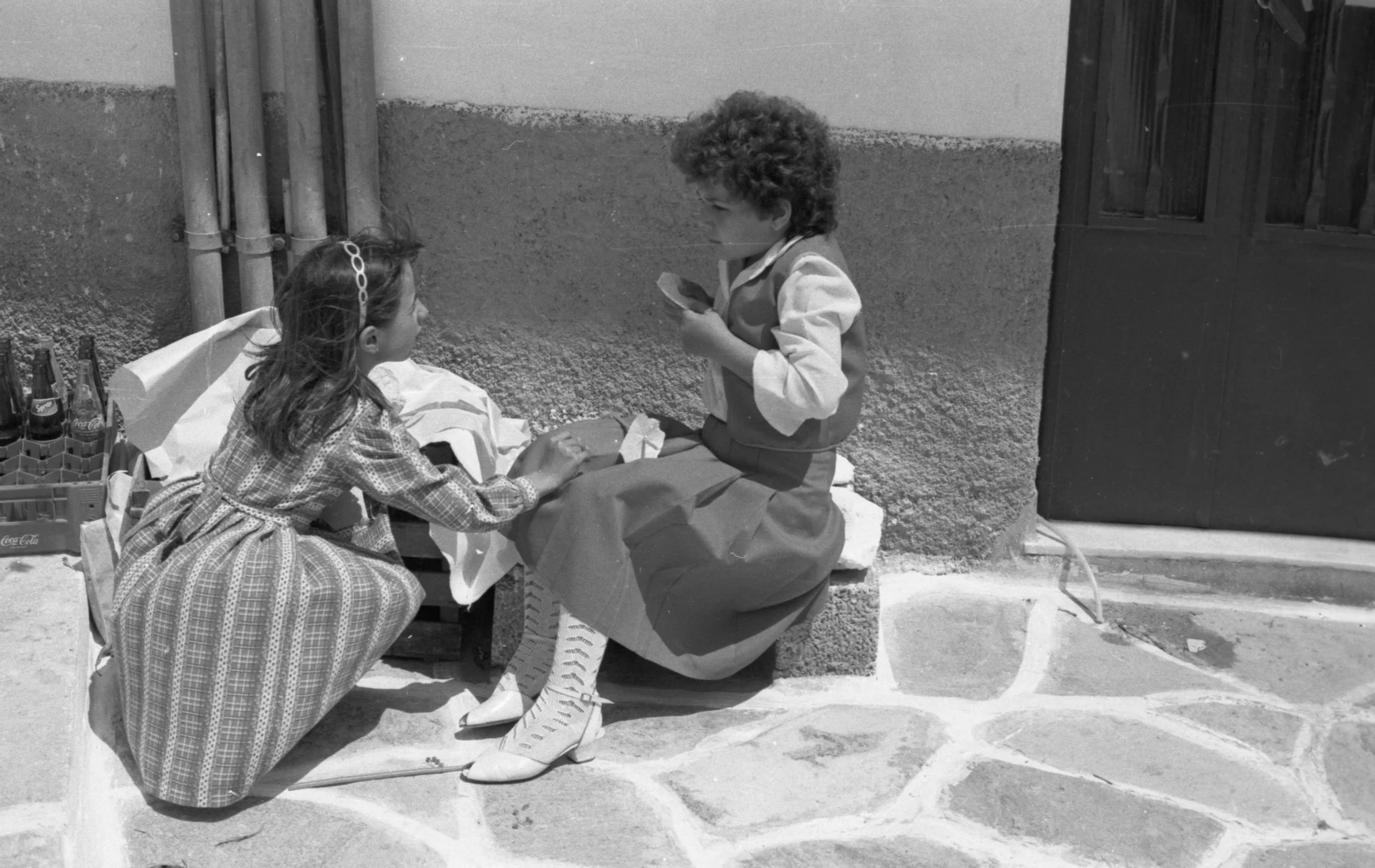
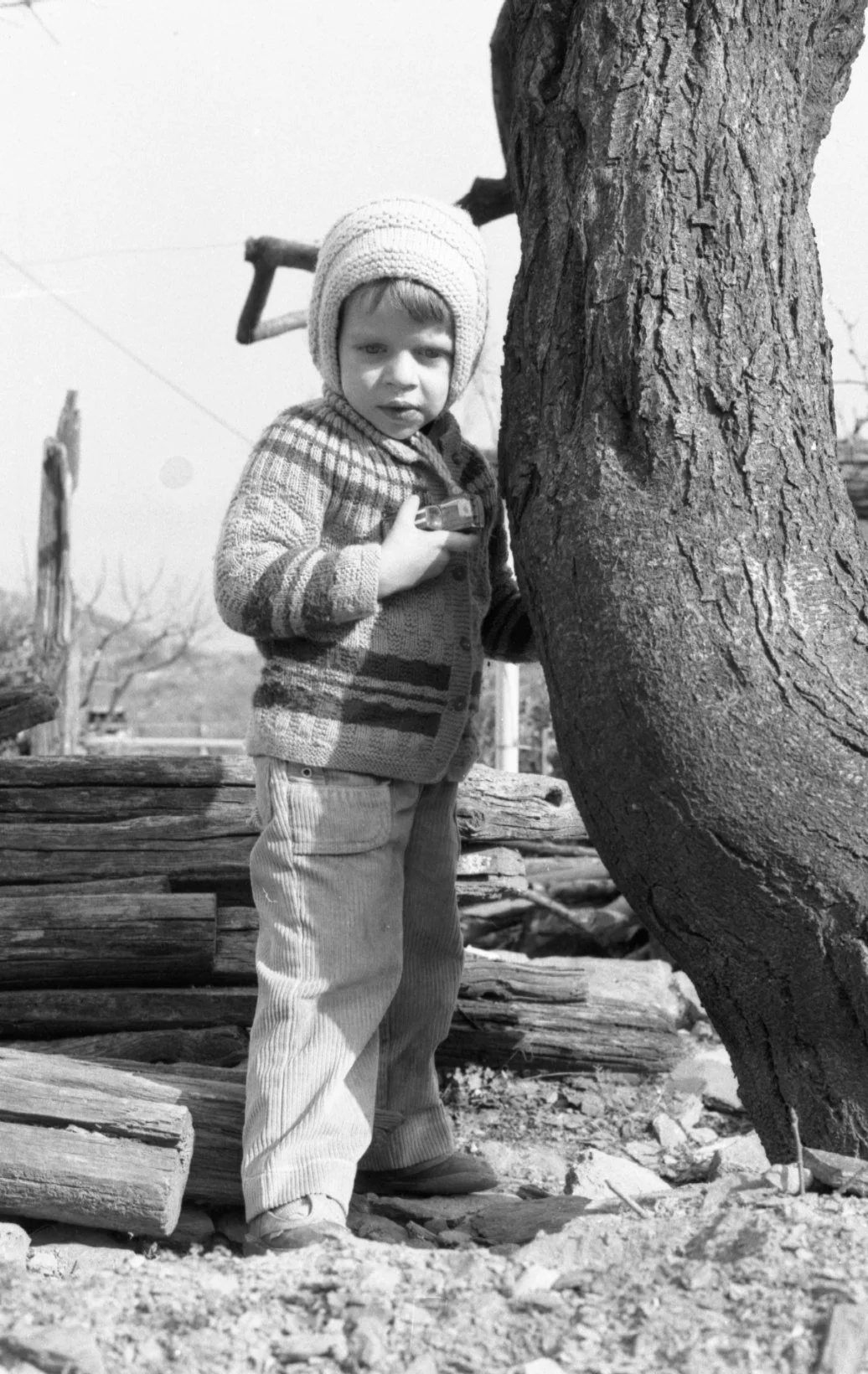
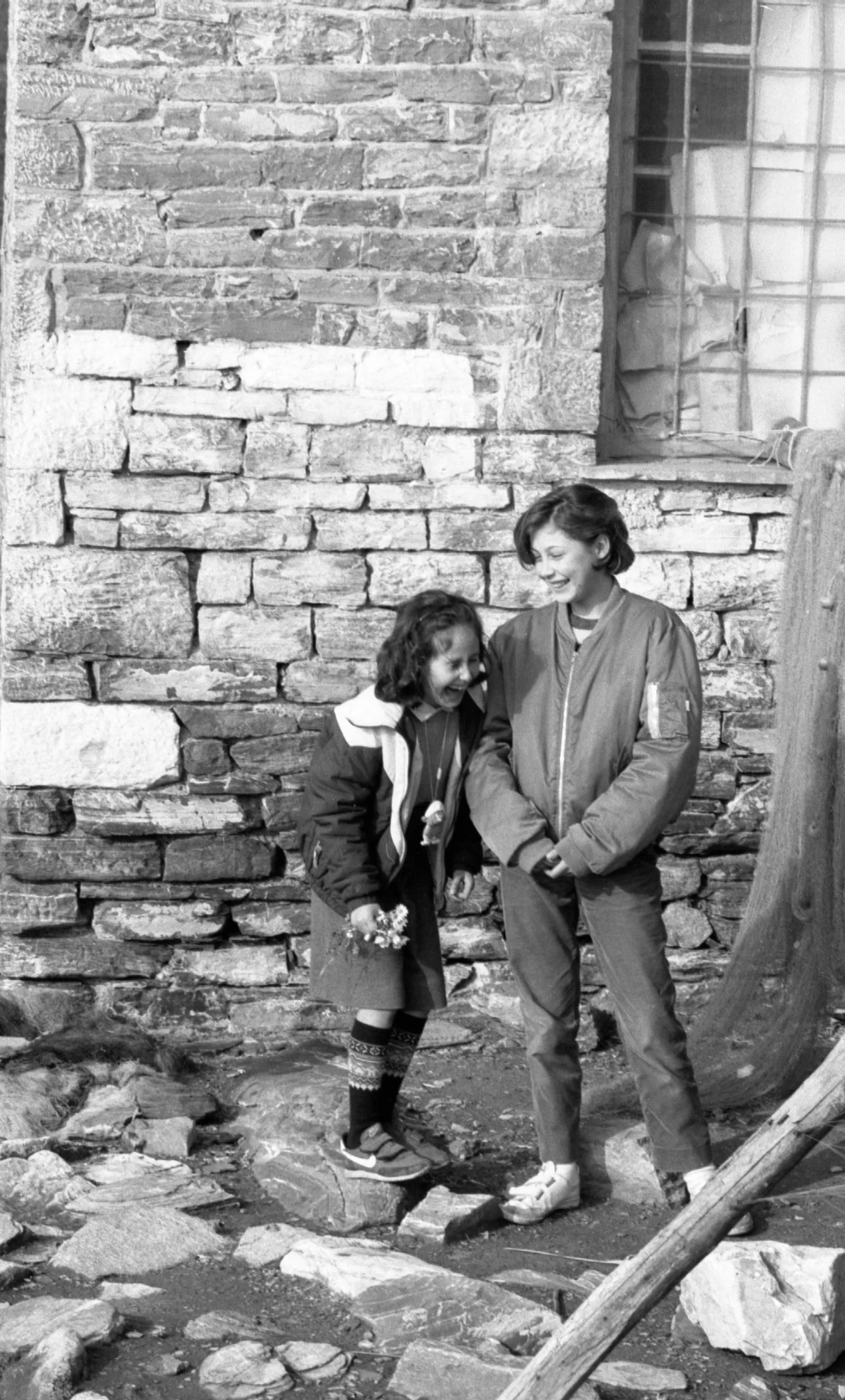
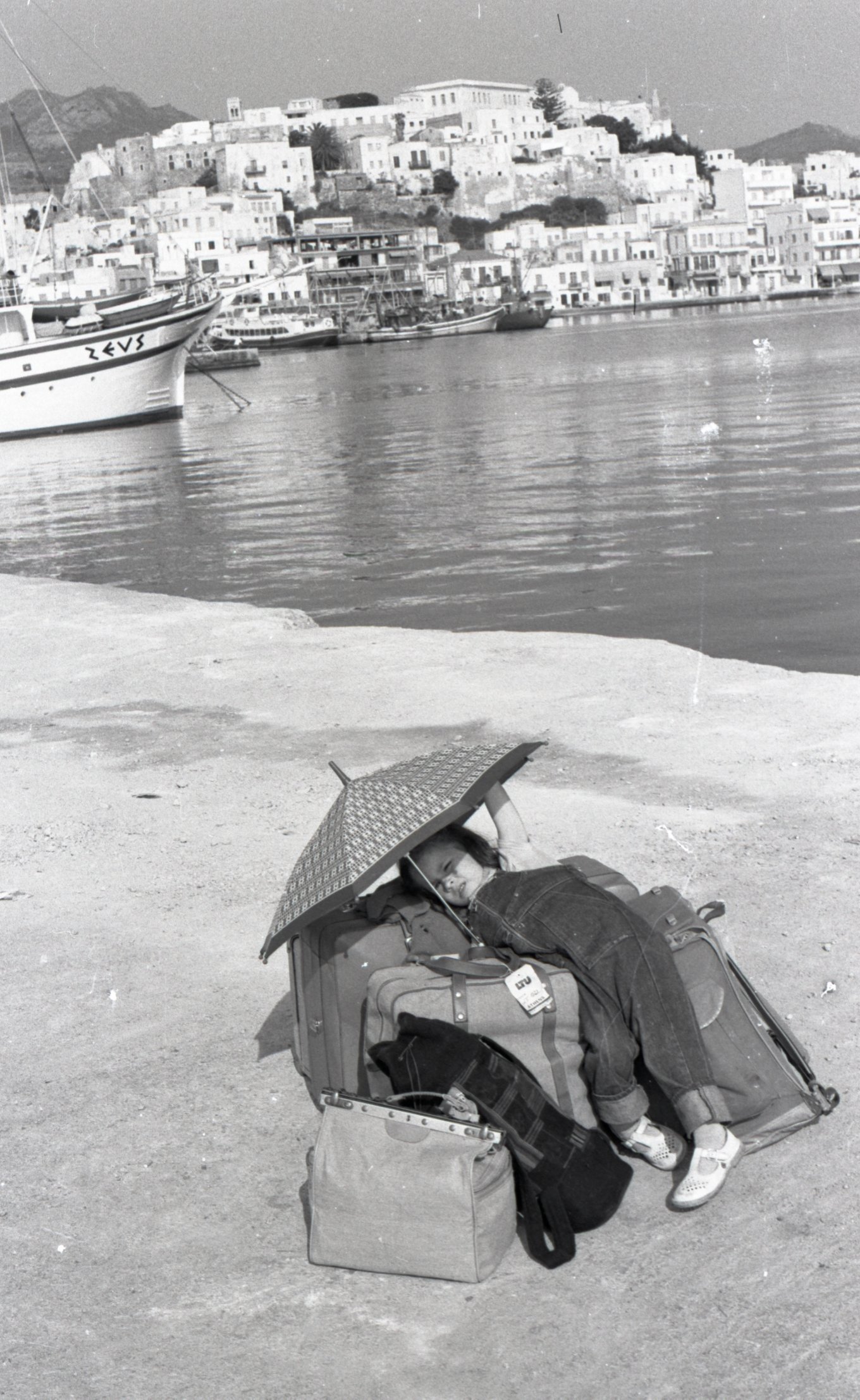
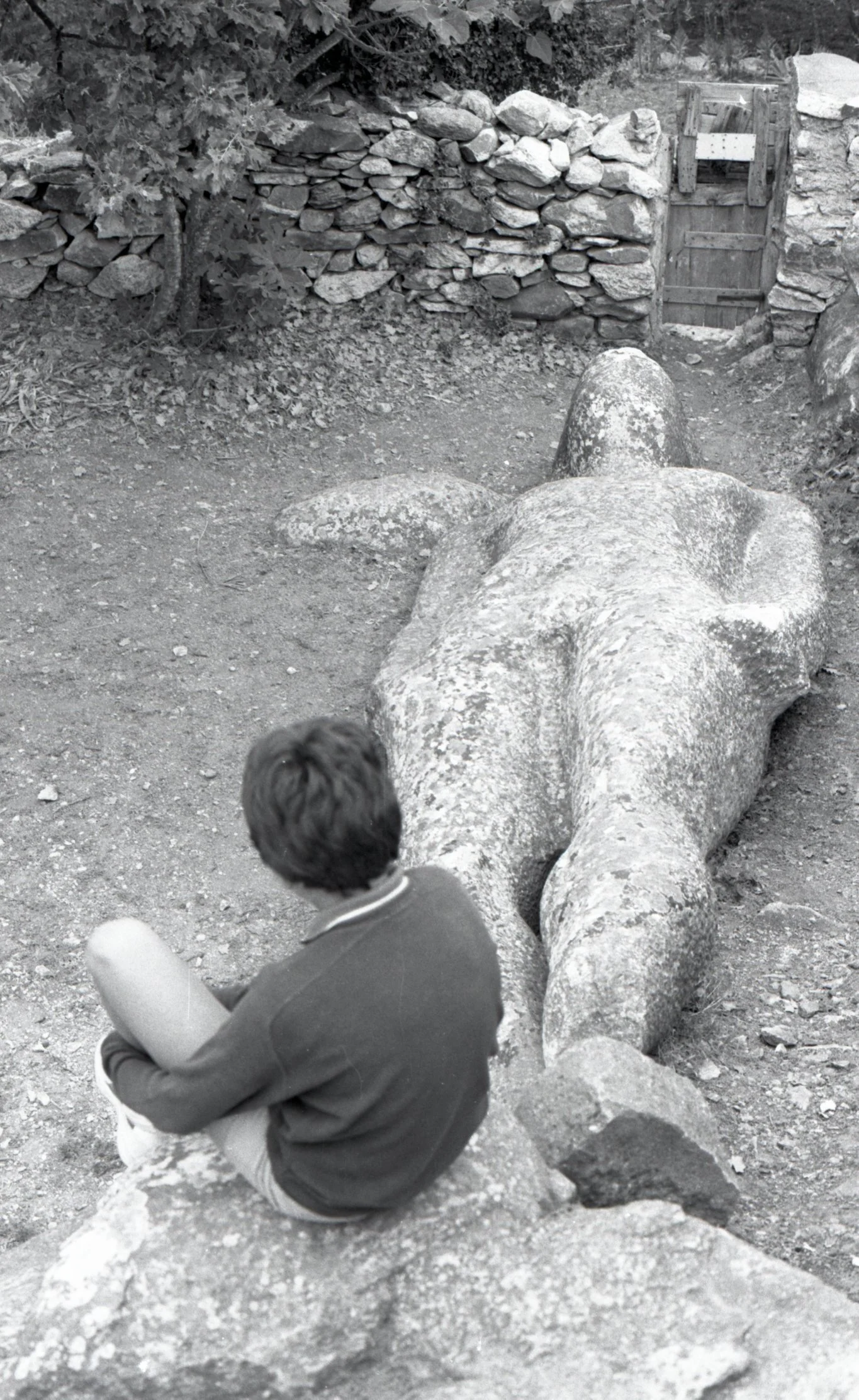
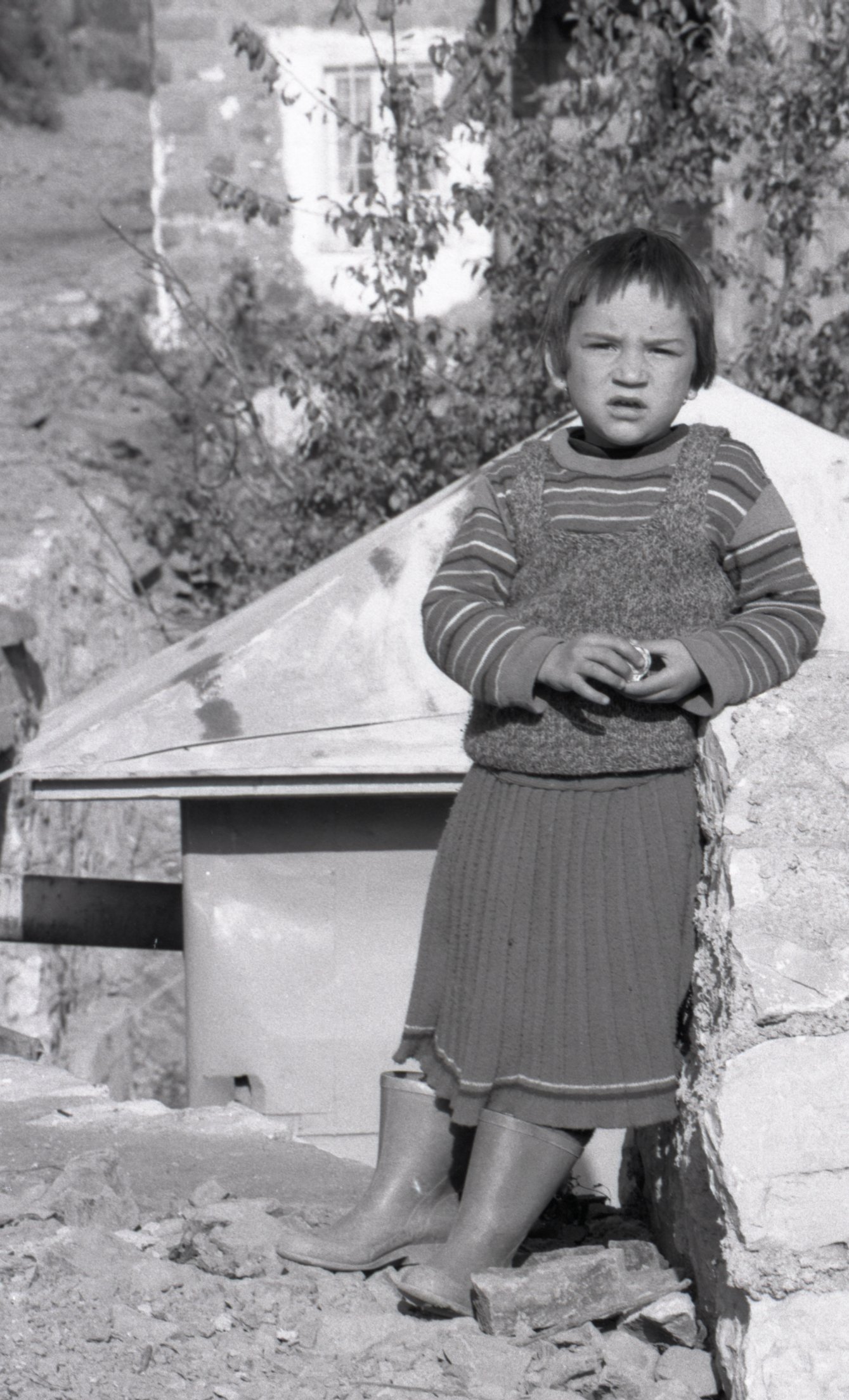
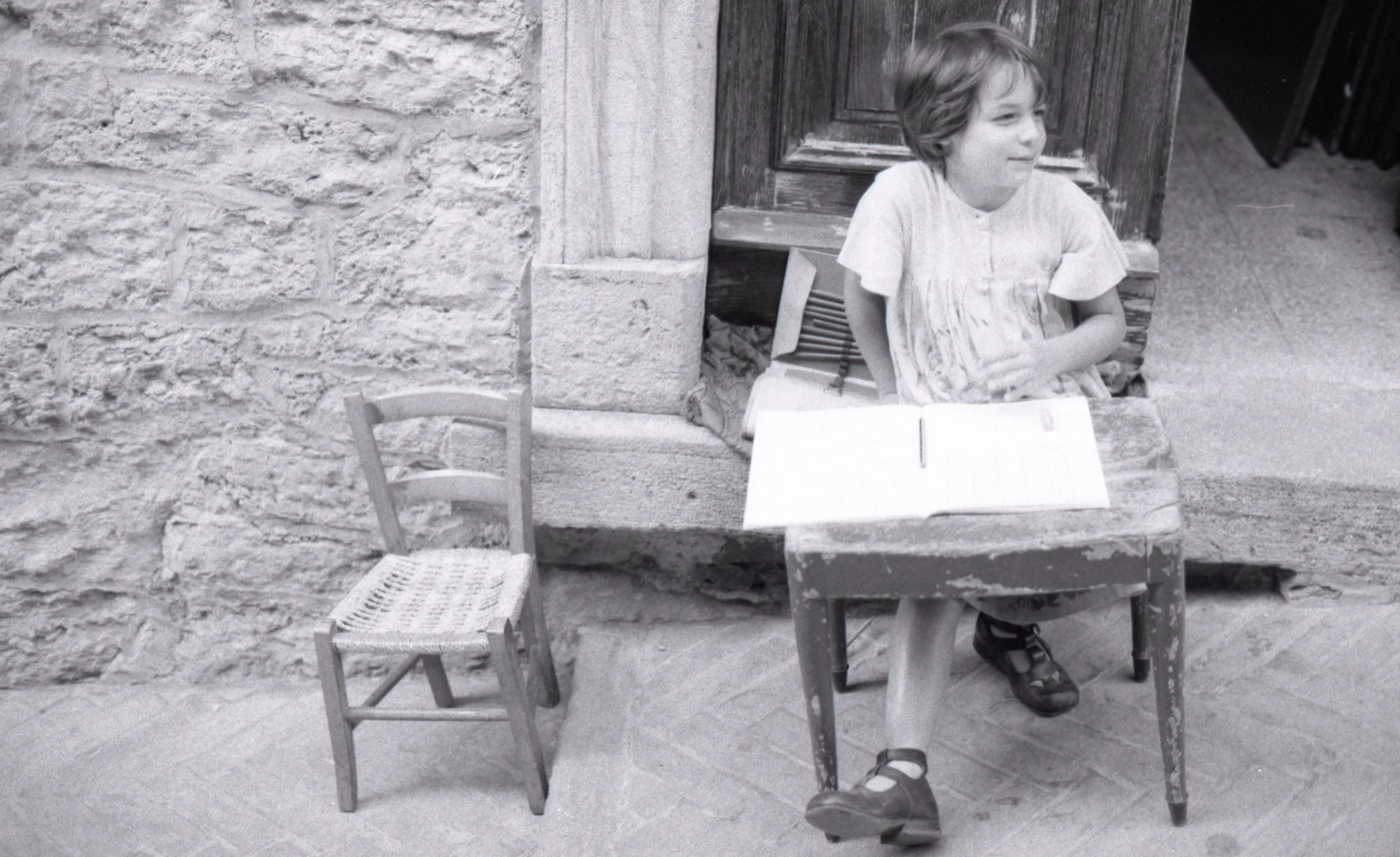
None of the photographs are exceptional or staged, and yet, across an archive otherwise leaning heavily toward landscape and seascape, the steady return of the child becomes difficult to overlook.
There is a way of reading this repetition that Kolovos himself, in his published work, would recognise. In Η Γυναίκα στον Κινηματογράφο (The Woman in Cinema), he draws a distinction between γυναίκες, or actual, historical, embodied women, and γυναίκα, the singular constructed image of the woman as built across cinema through accumulated framings. His insight is that the repetition of a figure across a body of images is itself meaning-producing, and that ideology, sentiment and structure accrue in the steady iteration of a subject across many. He developed this argument for the cinematic image, with a specific critique of how the medium has historically constructed woman as a figure of male desire. Here, we borrow the structural insight, with a different figure and different stakes, and apply it to the recurring child in his own photographic archive.
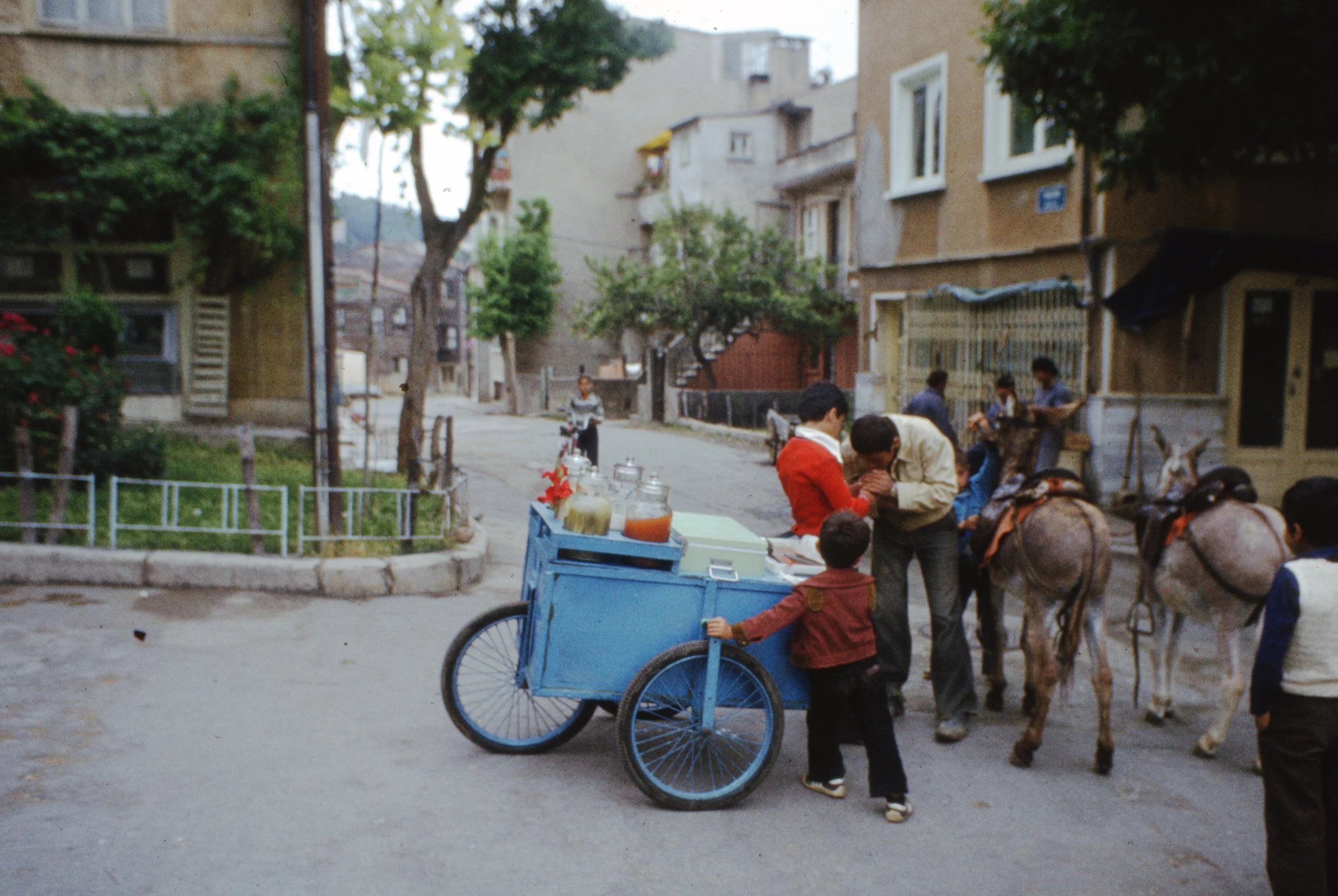
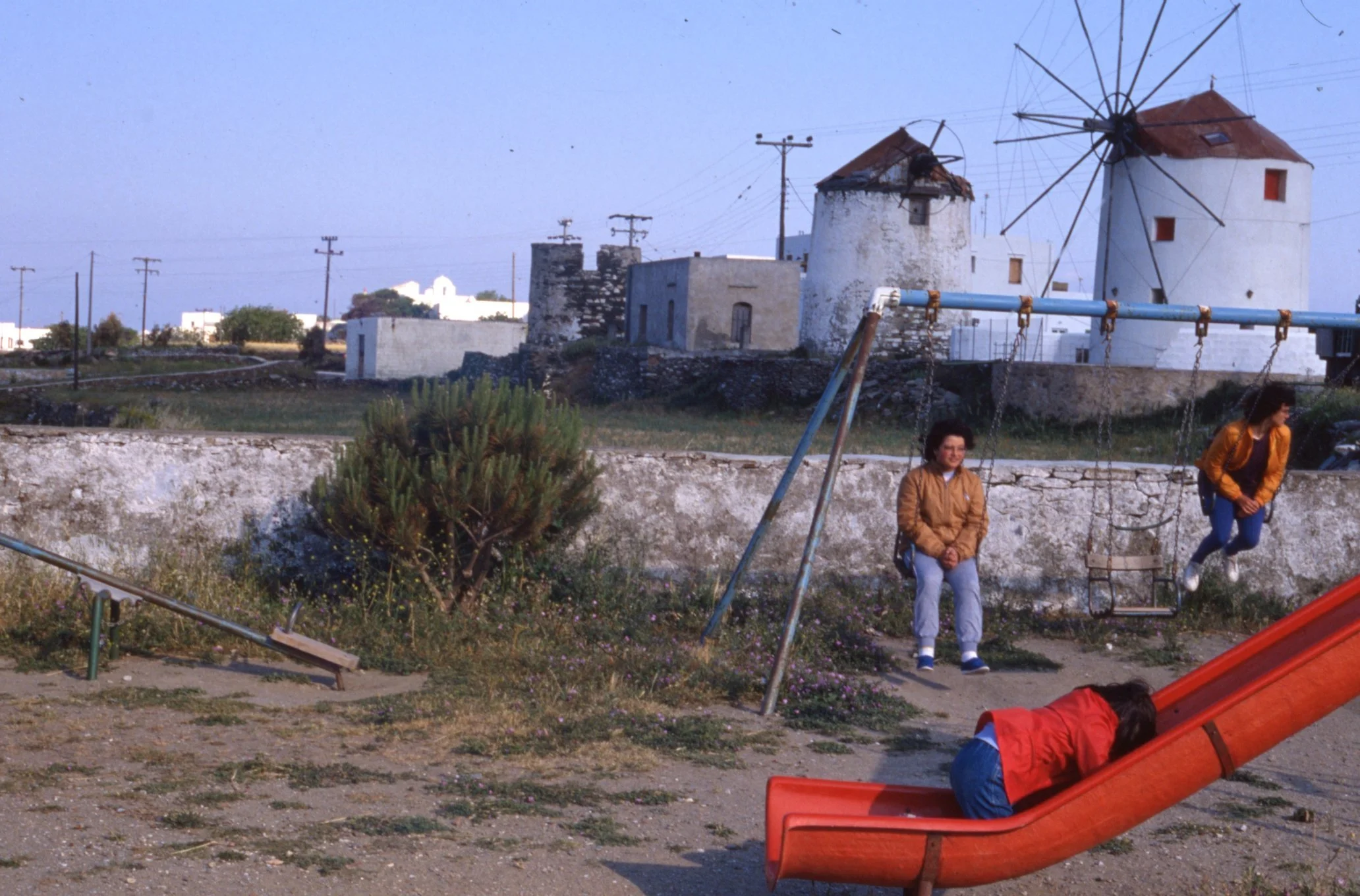
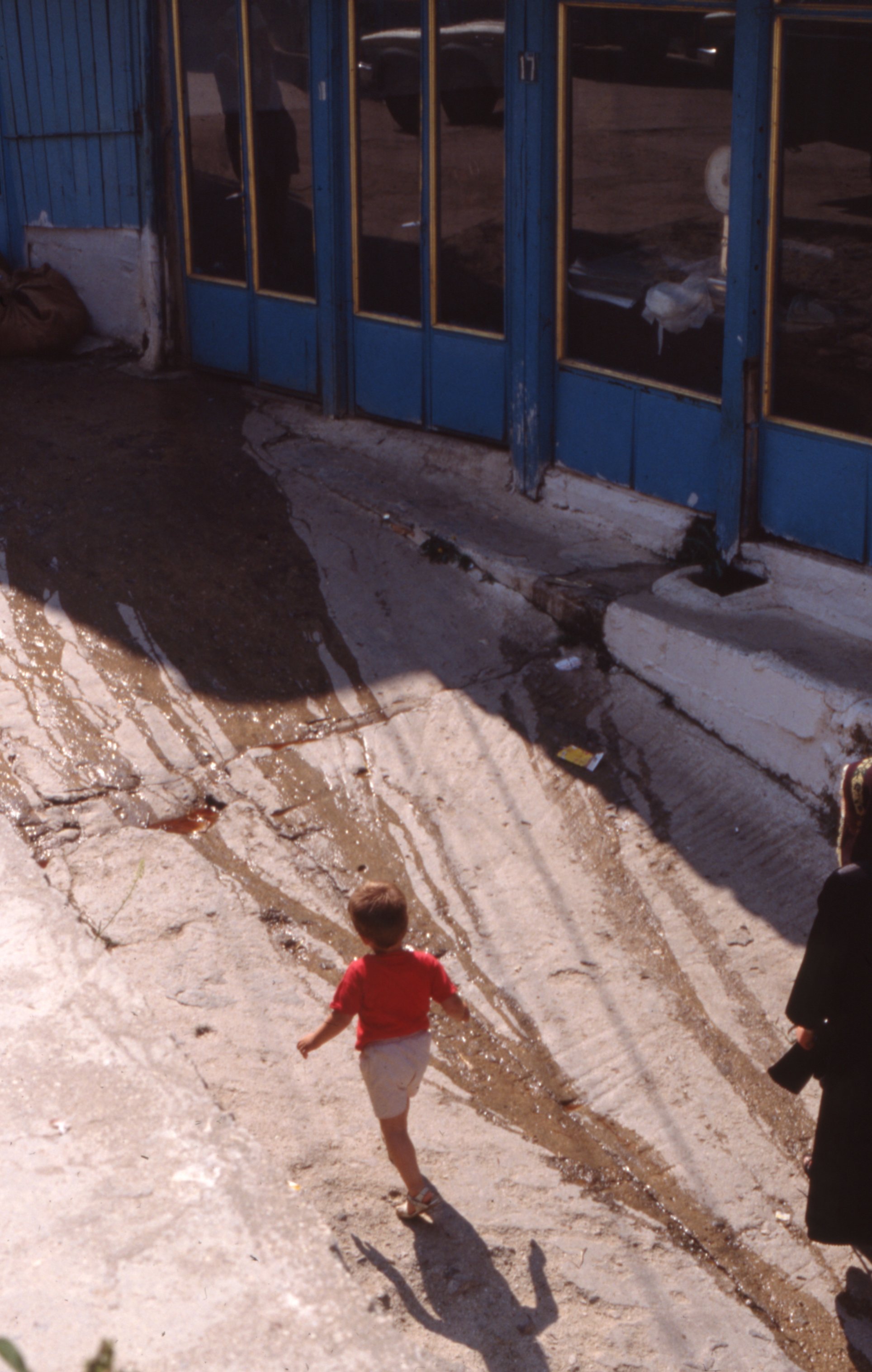
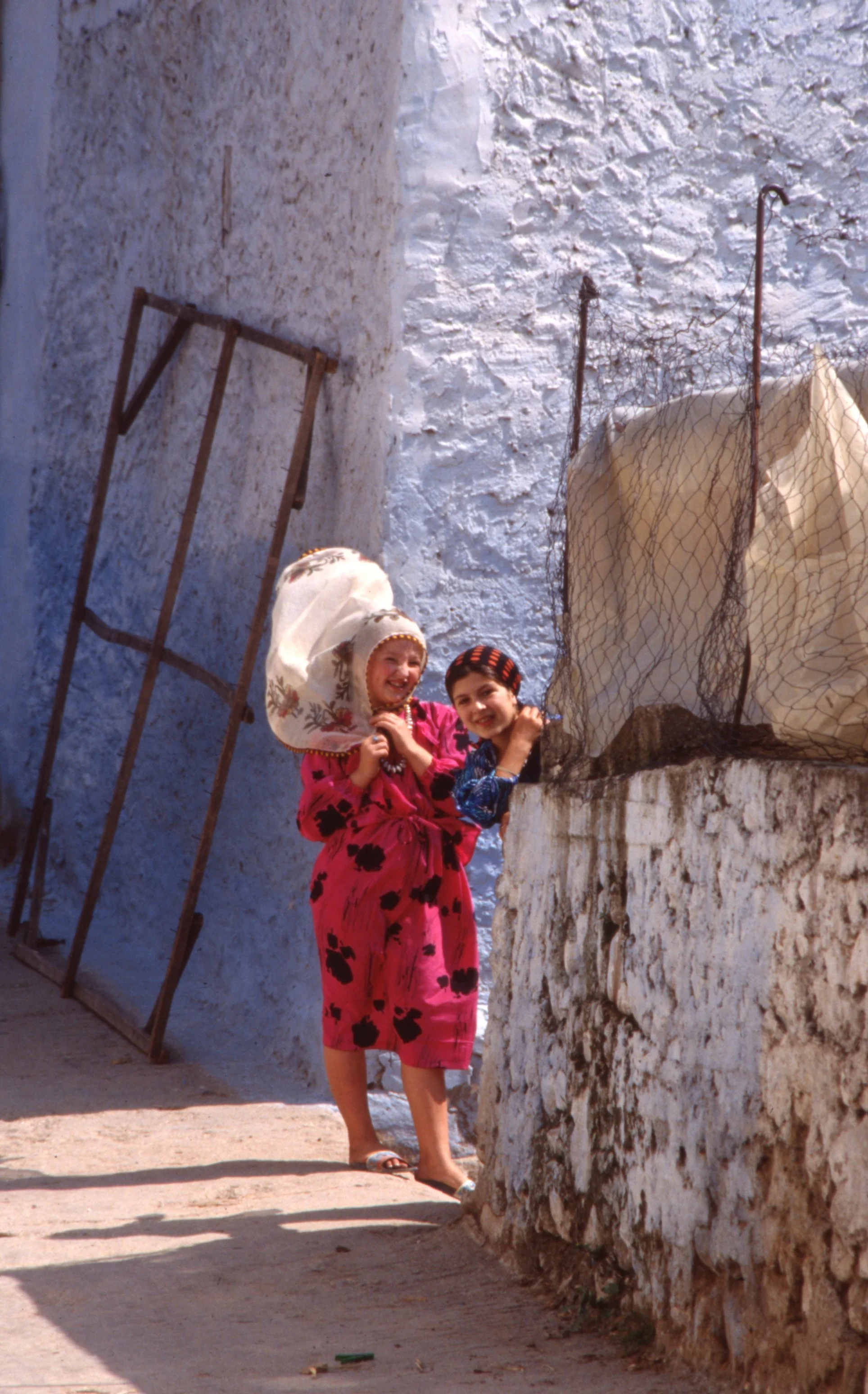
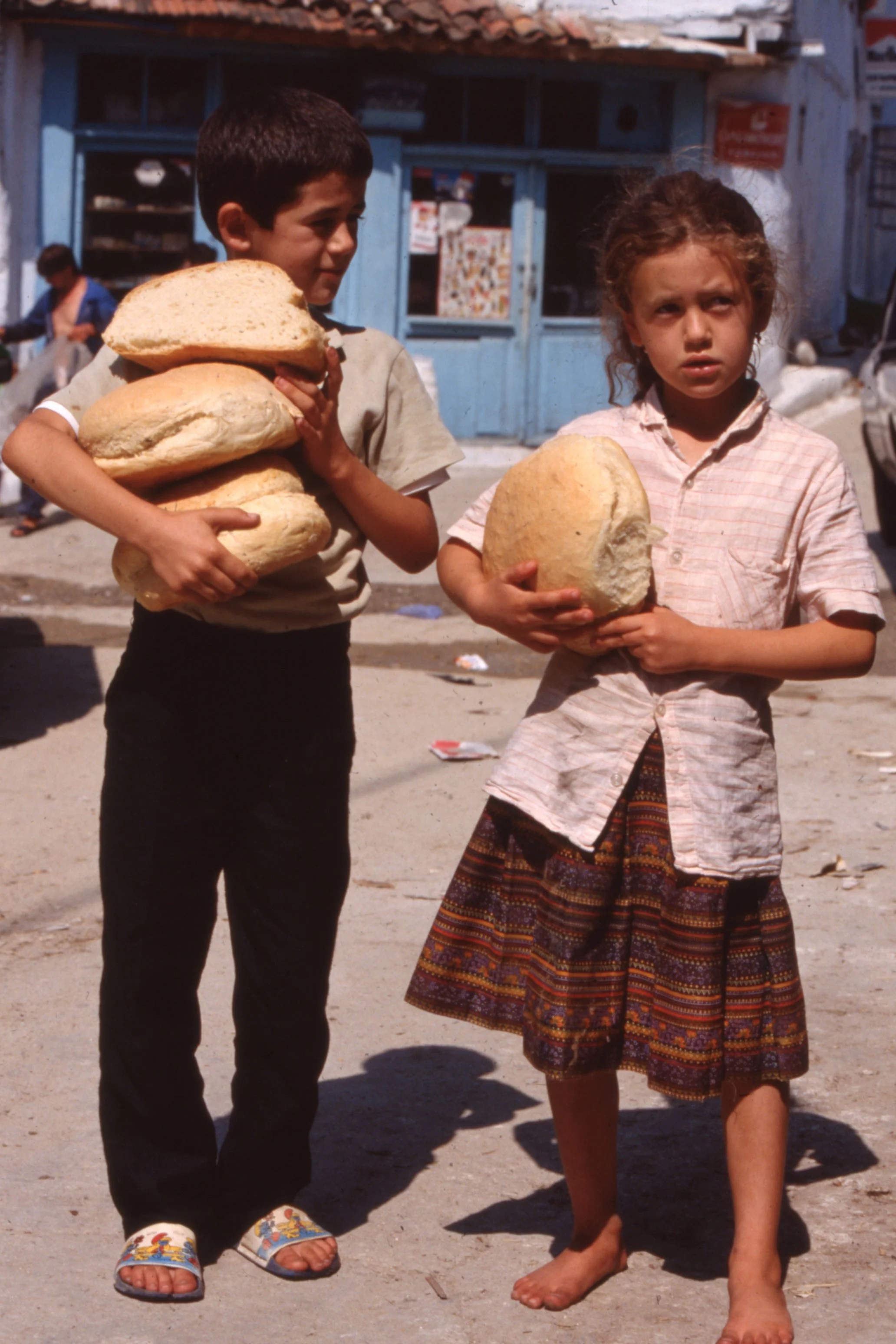
The temptation, when one encounters a body of work that returns repeatedly to children, is to read it sentimentally as a celebration of innocence, of village life, and/or of a vanished idyll. We have resisted this reading because to anyone who has spent time in Greece, including the contemporary Greece outside the archive's frame, children are and have been a visible, active part of public space. They spend long hours outdoors in whatever public space is available to them, being courtyards, streets, squares, vacant lots. The camera, in this sense, followed what was there and it did not set up a stage to do so. The children in these photographs are elements of everyday life, thus part of the routines through which a neighbourhood, a village, a city is lived or family is lived. Read this way, childhood here becomes an ongoing rehearsal of belonging to a place rather than an abstract stand-in for innocence.
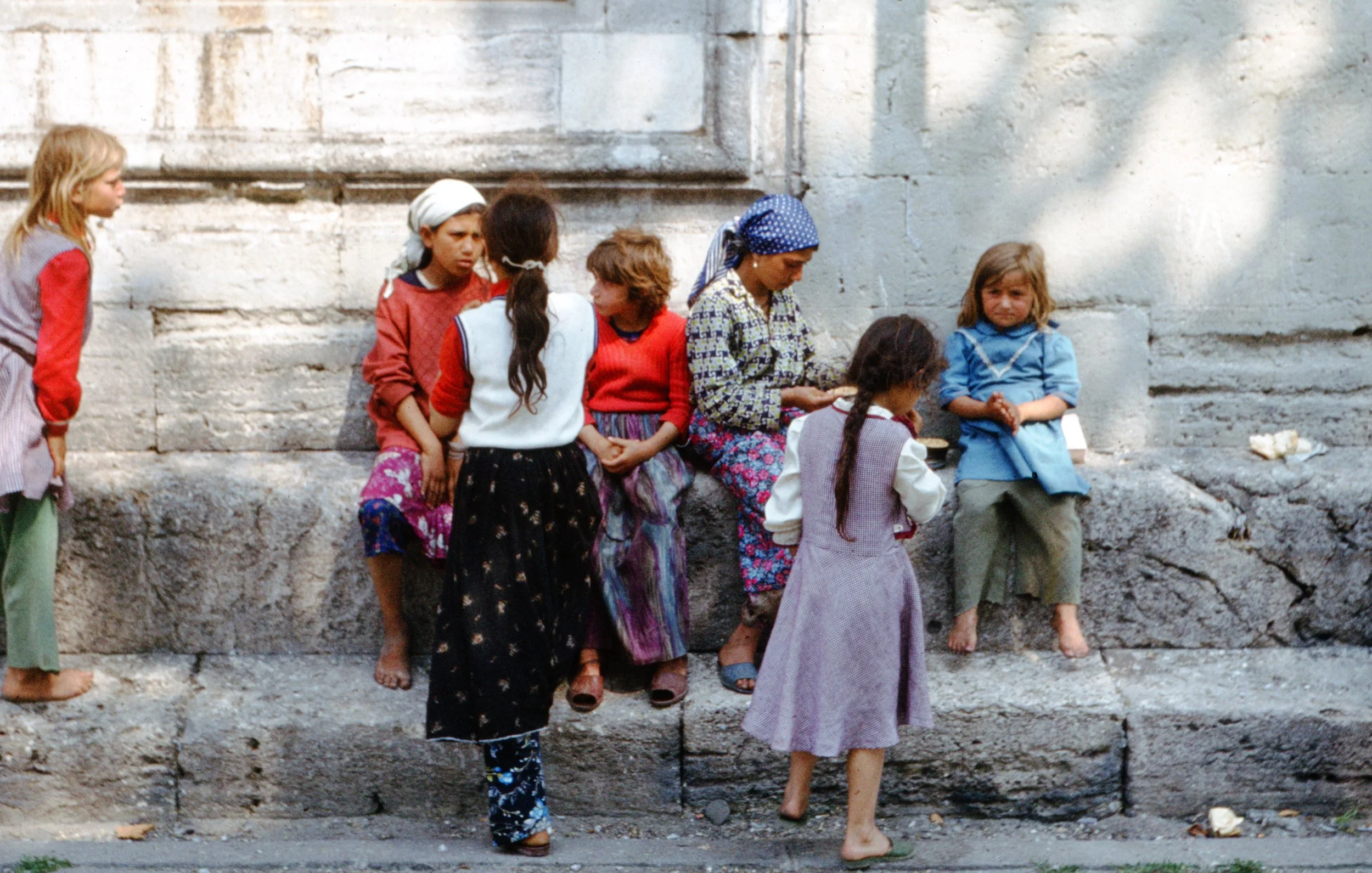
There is another reading, harder to disentangle from the first, in which children function as quiet markers of time. In a post-war and politically unstable context, and Greece, across the second half of the twentieth century, was for long stretches exactly that, the figure of the child carries a sense of or a reminder of continuity. A child is a visible reminder that life is to extend beyond the present moment. Even without any framing on the photographer's part, the daily activities are obvious against this background, such as boys kicking a ball against a wall, a cluster of children seated on a low wall, reminding that another generation is growing into the same social spheres.
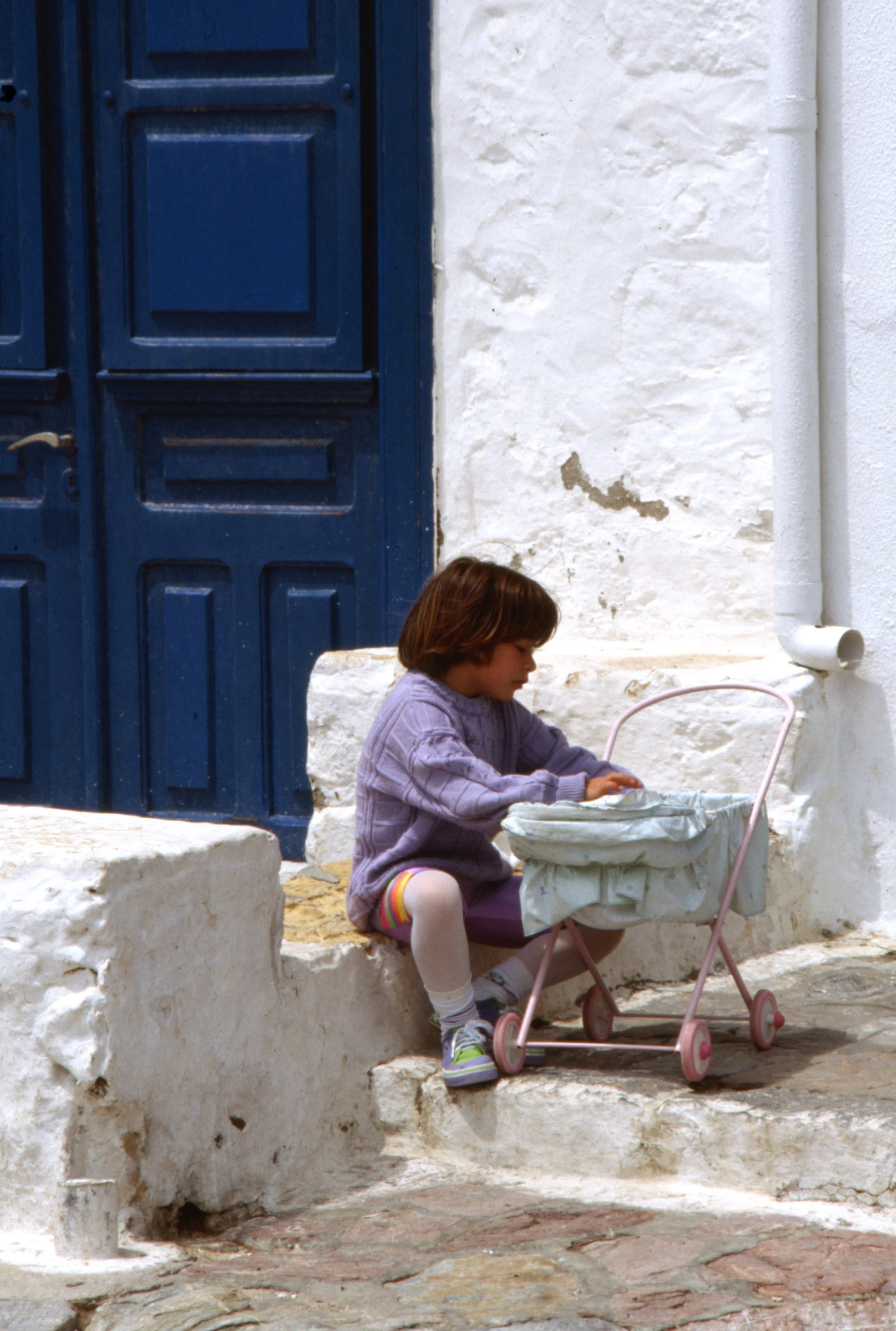
A third reading is harder to argue for and easier to feel. The archive contains almost no self-portraits and very little explicit autobiography. In that absence, children may surface as a form of projection. Through them, ideas of care and vulnerability, but also of discipline and social expectation, can be expressed without being named. The girl with a toy stroller is also a rehearsal of a role already being assigned to her. The boys with their football hint at local norms of masculinity, of order, of aspiration. The images carry both tenderness and structure at once. Whether Nikos Kolovos intended these readings, or only made the photographs and let them do what they would, is, in the spirit of this project, not the question to settle.
It can also be useful to ask what these photographs are not. Compared with the children in the films of Emir Kusturica, for instance, who are foregrounded as disruptive, carnivalesque figures who expose the absurdity of the adult world, Kolovos's children are quieter, embedded in the everyday life rather than set against it. They share the same walls and courtyards and stones as the adults around them. They are not yet fully inside the same social spheres, and that separation between generations is itself visible in how bodies are arranged across the frame.
A word, too, on what would now be a different ethical context. The photographs in this archive were made in a period when everyday photographic practice in Europe operated under different notions of privacy and consent. Street photography of children in public or semi-public space was a part of family and neighbourhood photography, and the debates we have today about digital circulation and child protection had not yet taken their current form. Marianne Hirsch's work on family photography helps bridge this historical distance, by noting what might now trigger contemporary concerns about consent and exposure can be read, in its own time, as part of a shared visual culture in which children's presence in public space was simply not contested.
One personal note belongs here, because it sits in the background of how I look, which is also a part of memory work that Marianne Hirsch also notes. The recurring presence of children in this archive does not necessarily suggest, in itself, a particular affection for children, but in conversations with family members, I learned something I cannot prove sits behind any individual image, and yet cannot quite set aside. Nikos Kolovos had a baby sister who died in infancy, to whom he was deeply attached, and whose early death affected him for the rest of his life. I cannot draw a direct line from that loss to these photographs. I am only saying that the line cannot be ruled out, and that I look at them now with the possibility of it.
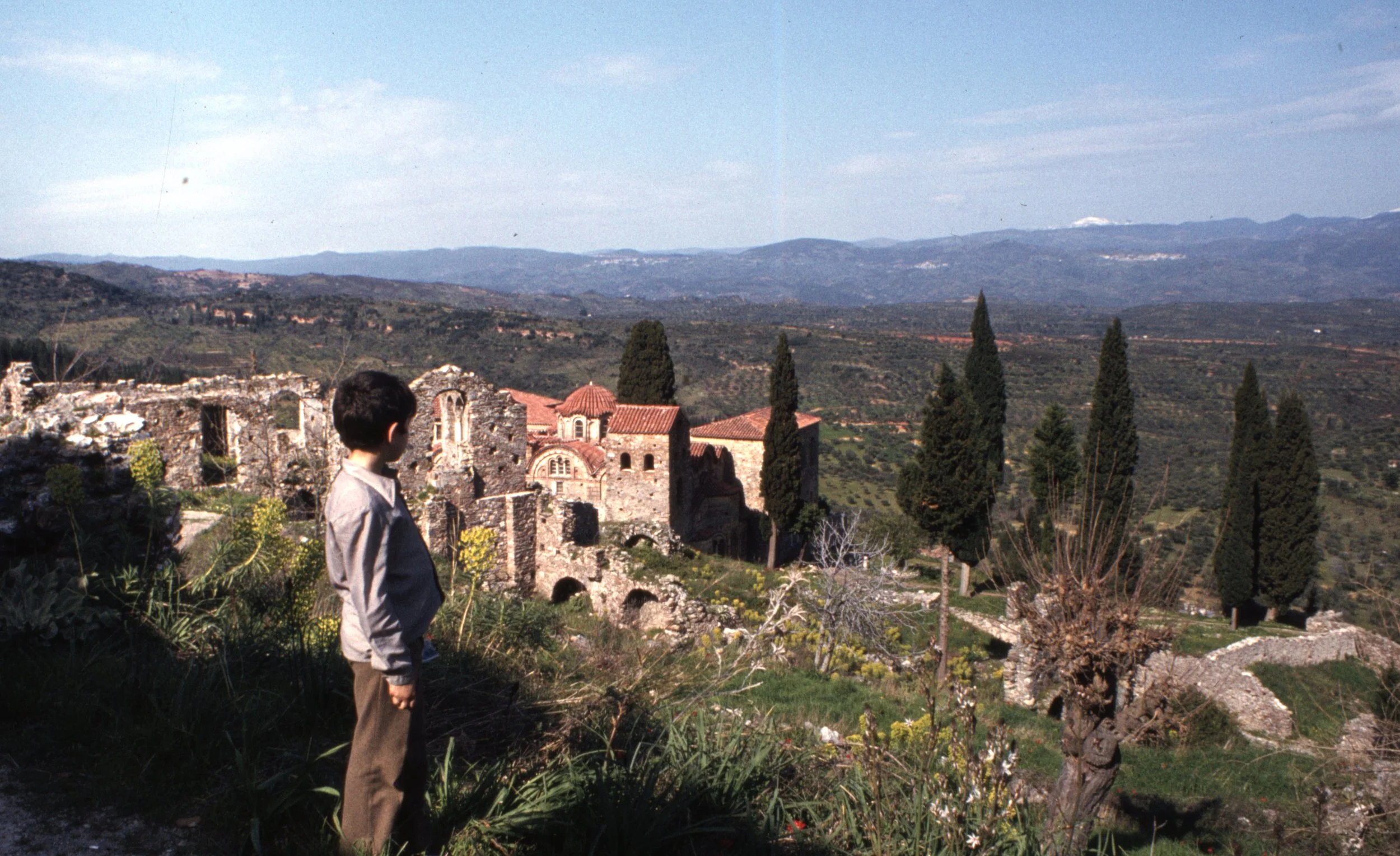
What is striking, across the cluster, is that the children appear at many ages and are almost always kept within the wider frame of villages, houses, streets, landscapes, and are rarely isolated. This is a way of showing children as part of a place's ongoing growth and history, figures of becoming rather than fixed identities. Within the archive's broader concern with how life continues under unstable conditions, the children's cluster matters. These photographs help us understand the whole body of work as concerned with life in motion rather than completed stories. The recurring child becomes a way of relating to the world, and of documenting life as an ongoing process rather than a series of finished events.
This is one reading of the children's cluster, although there are others. As always, the archive invites the viewer to see what we have seen, to see what we have missed and to propose readings of their own.