Cluster II: Rural Labour
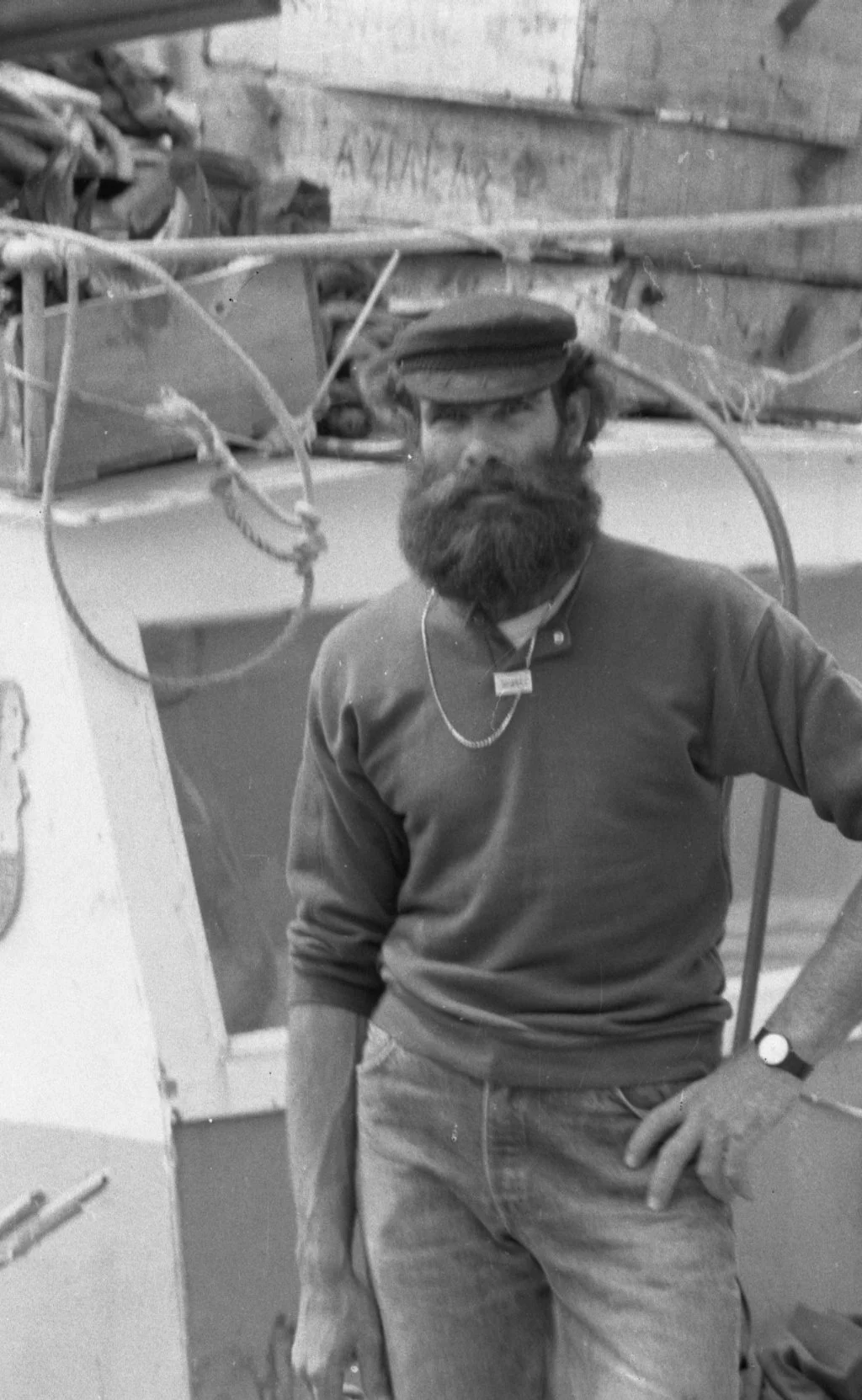
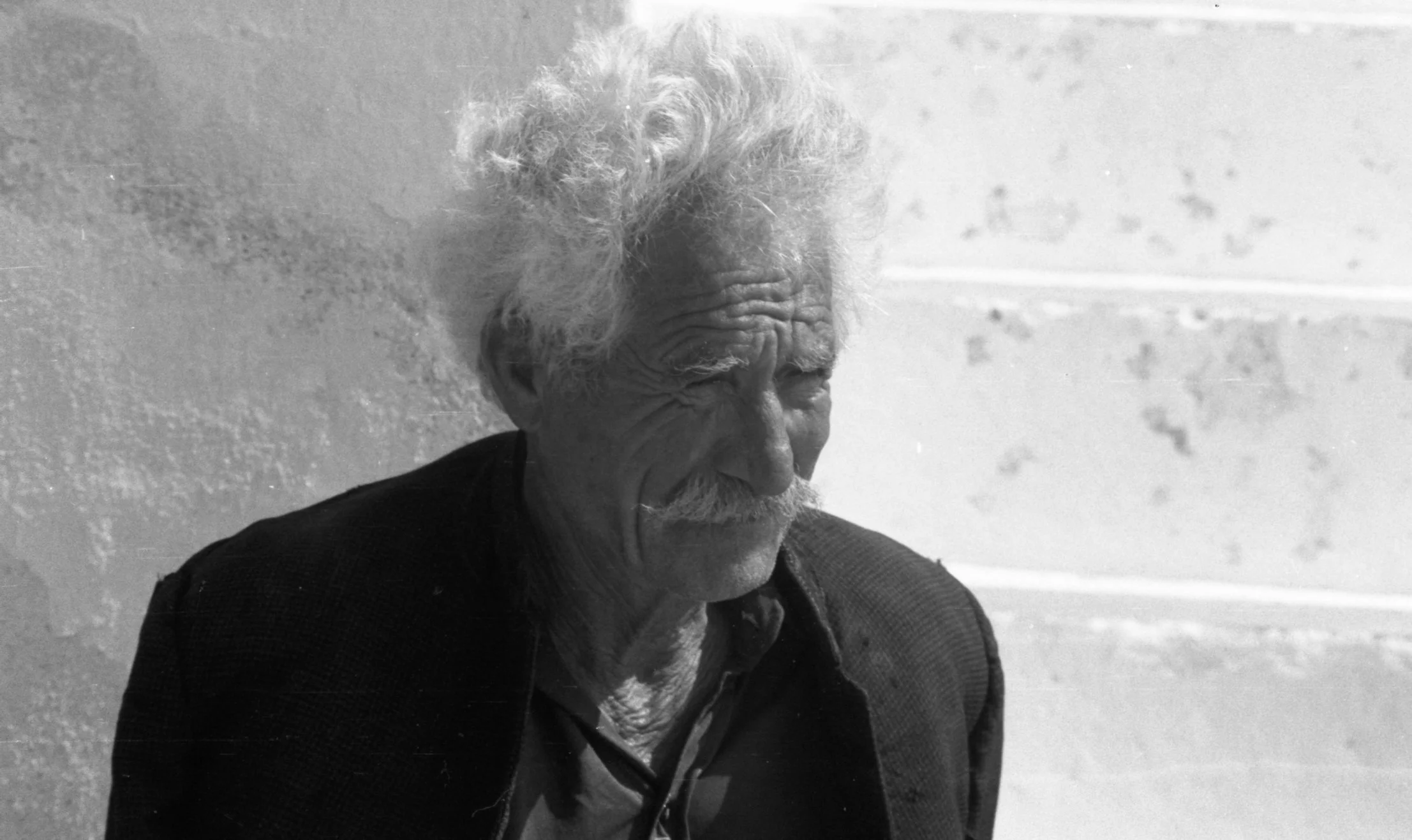
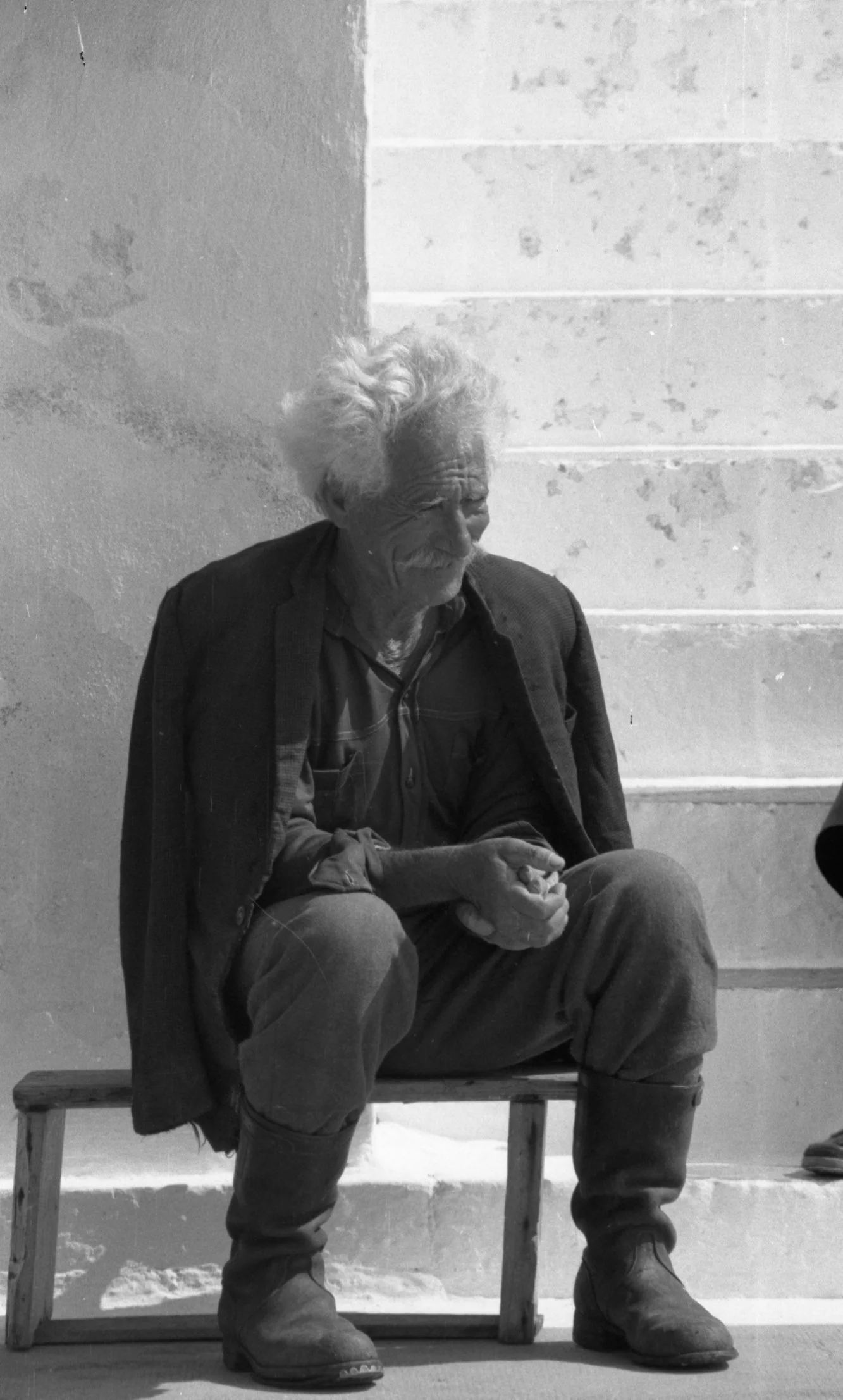
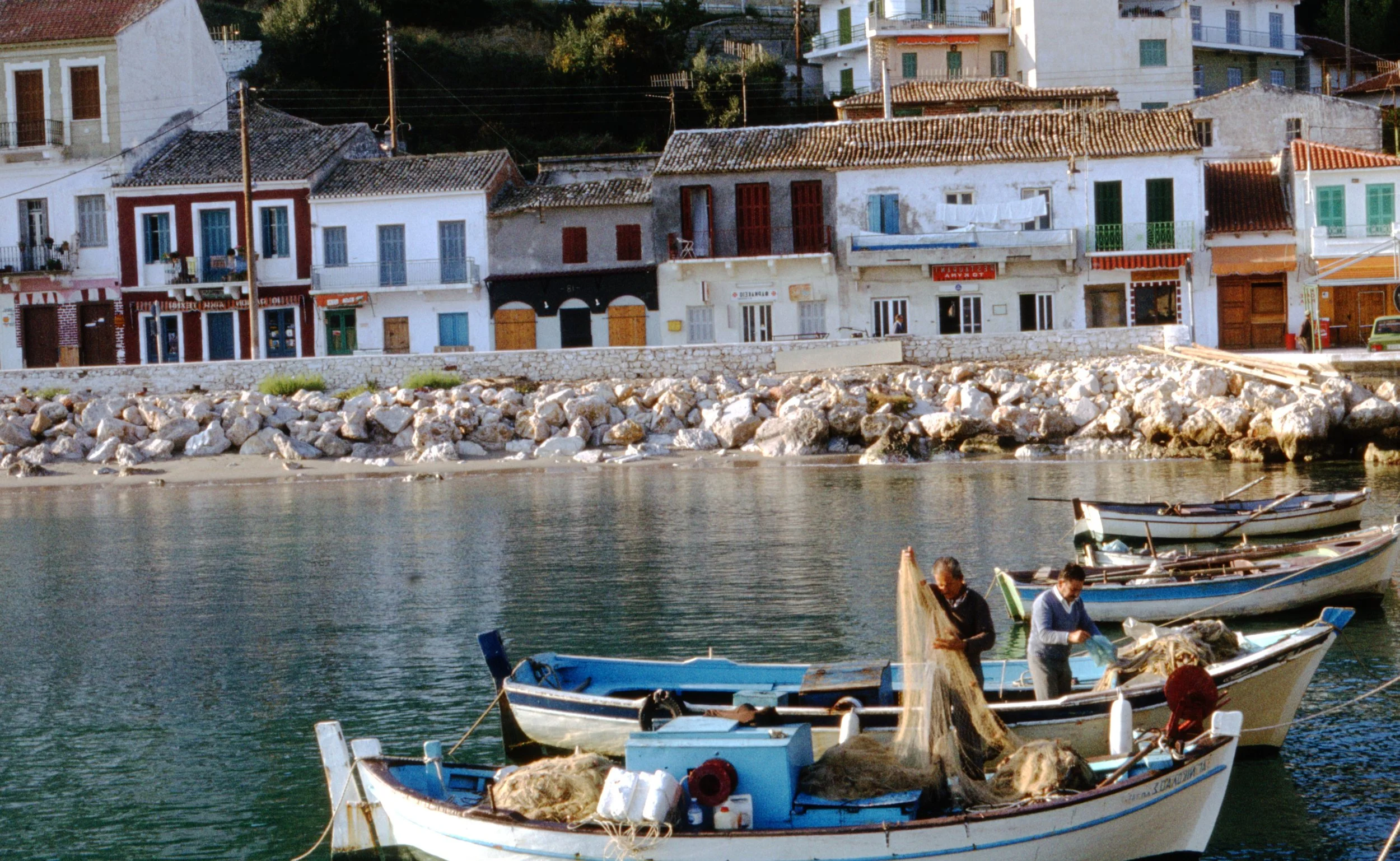
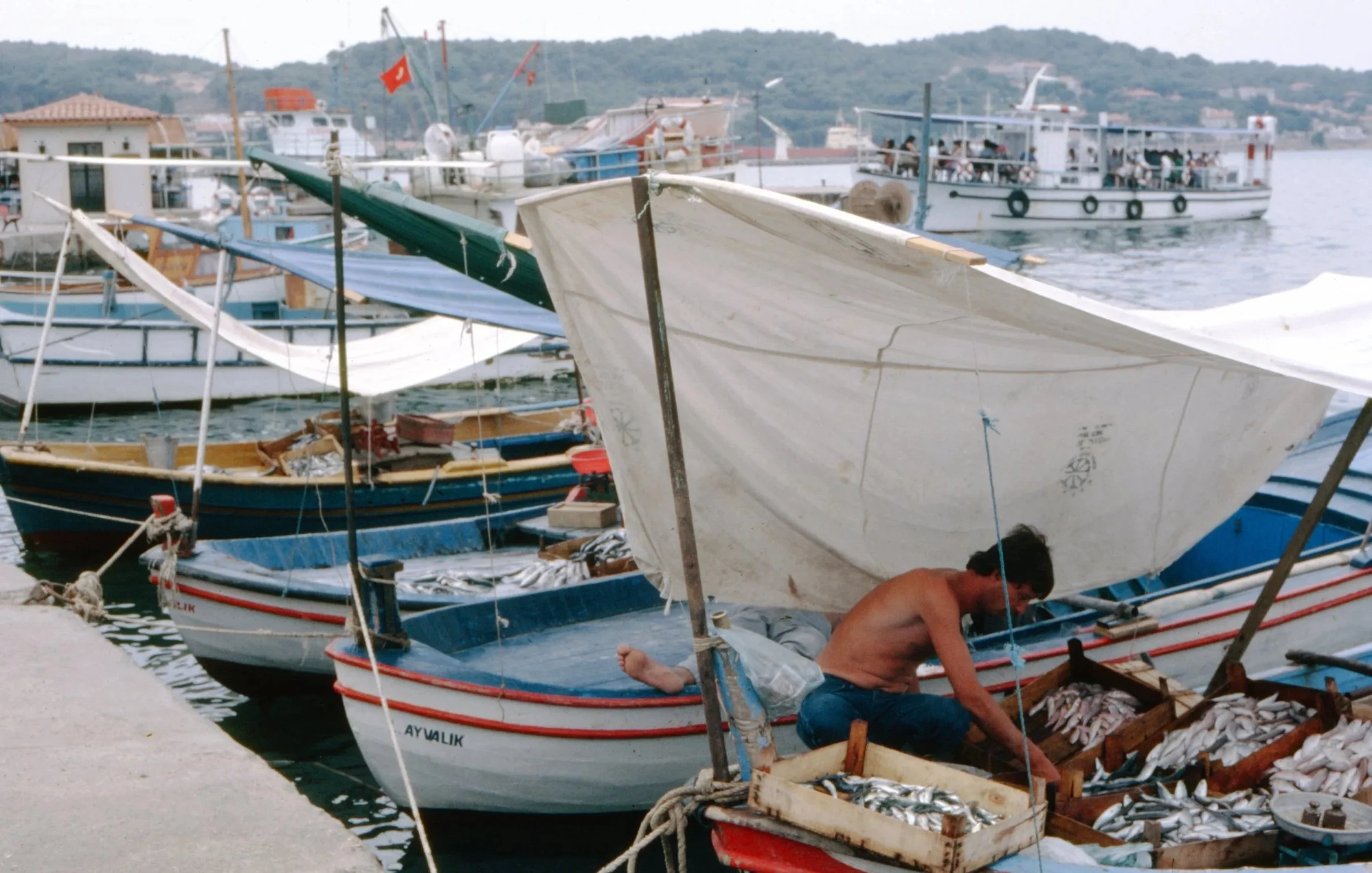
It is worth asking what brought a man who spent his intellectual life as a sociologist of cinema, who translated Walter Benjamin's essays on Brecht and François Albéra on dialectical cinema, to spend his private hours photographing villagers leading donkeys along unpaved roads. Kolovos's published work places him within a specifically materialist tradition, attentive to labour, production, infrastructure, and gesture as central part of social life rather than its background. The mind (and the eye) that made these photographs is continuous with the eye that did that work. They refuse two competing temptations at once: the socialist-realist temptation to monumentalise the worker, and the pastoral temptation to romanticise rural life.
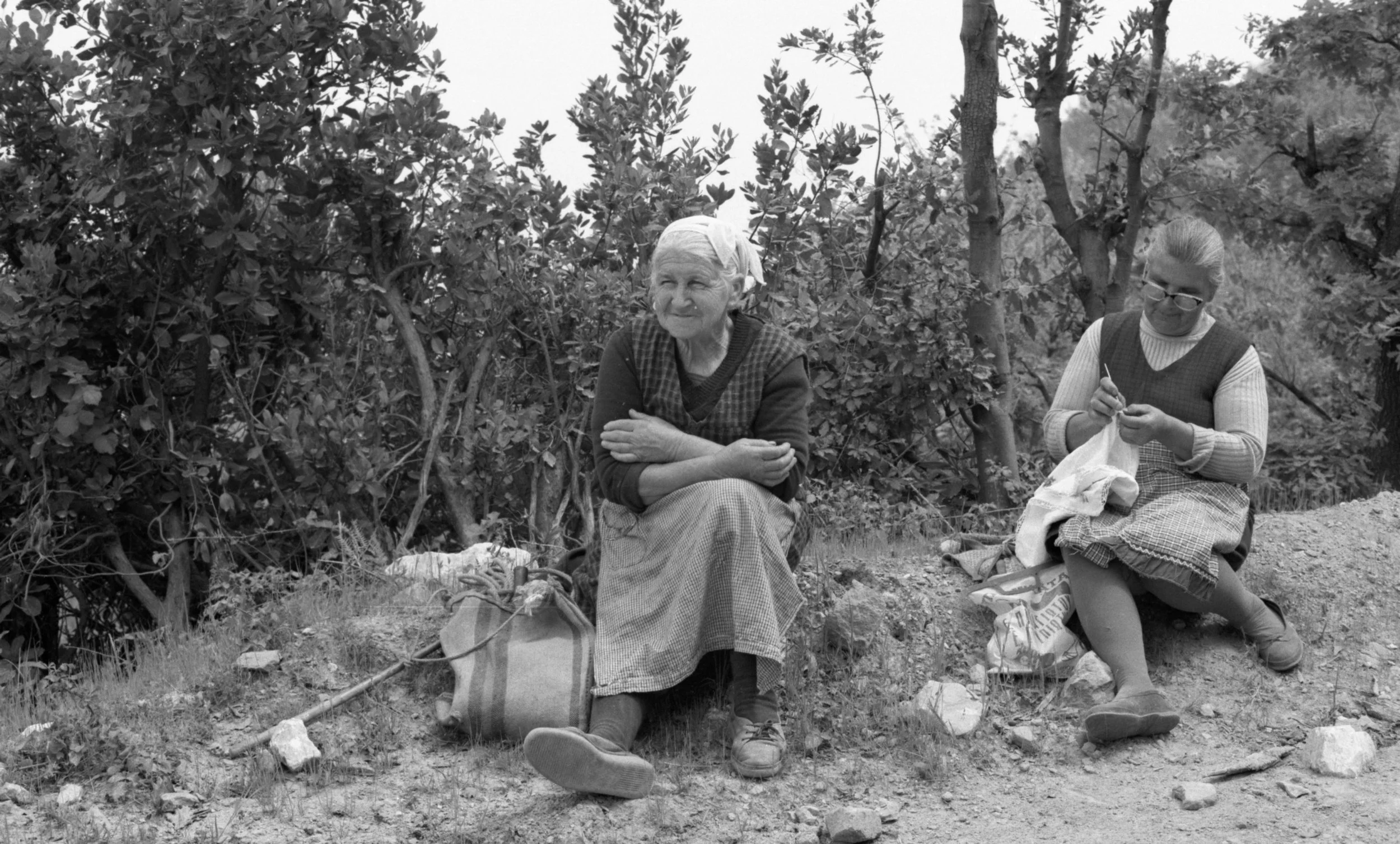
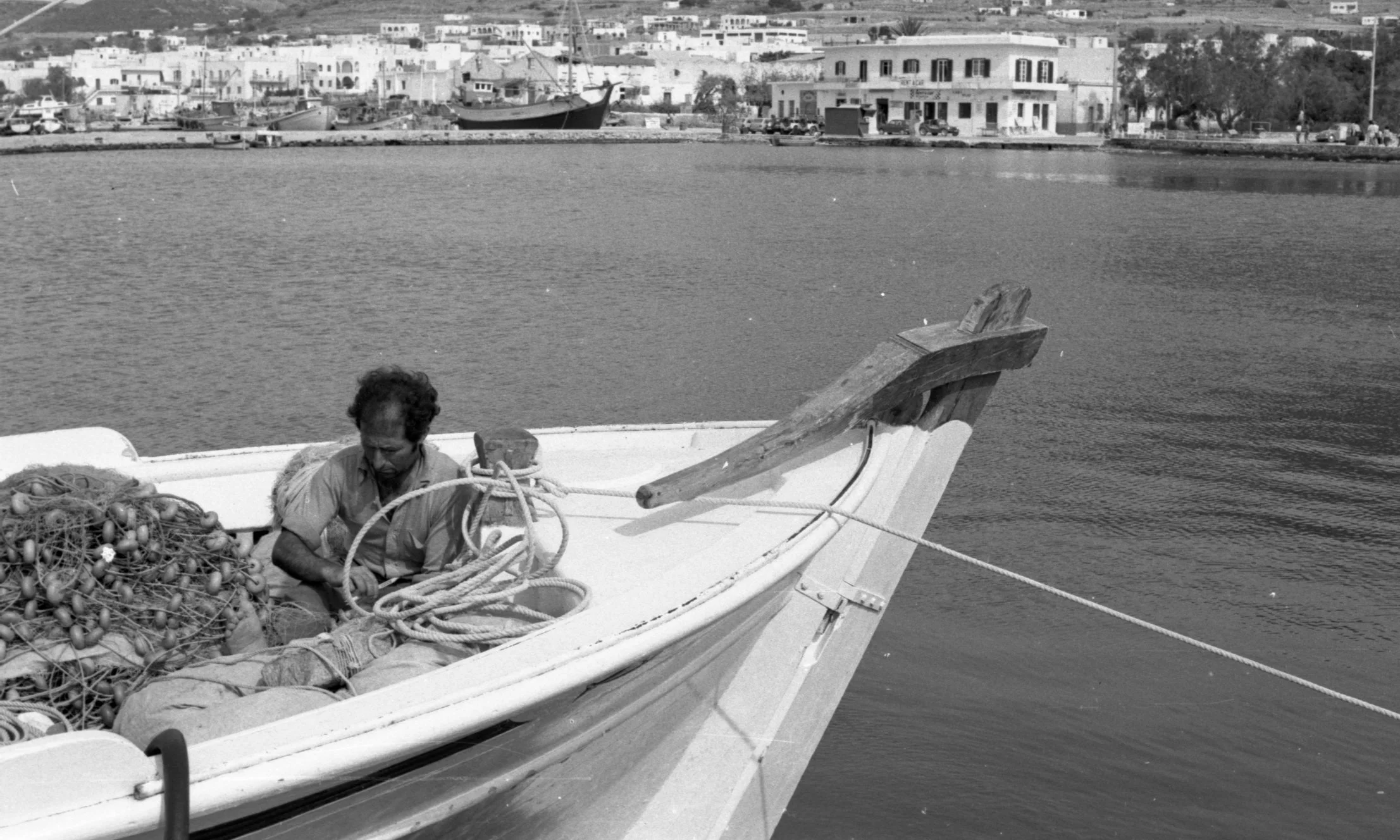
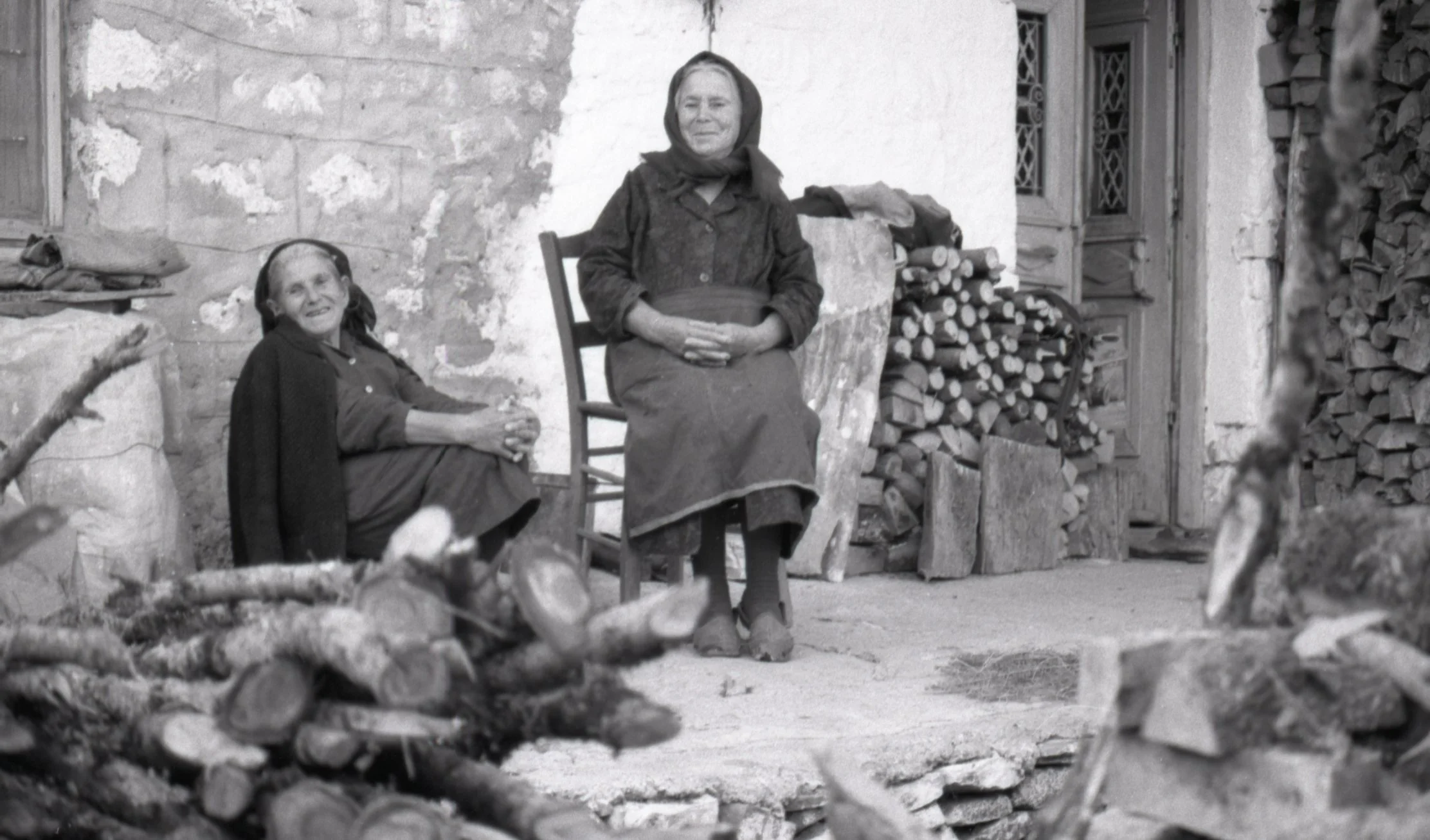
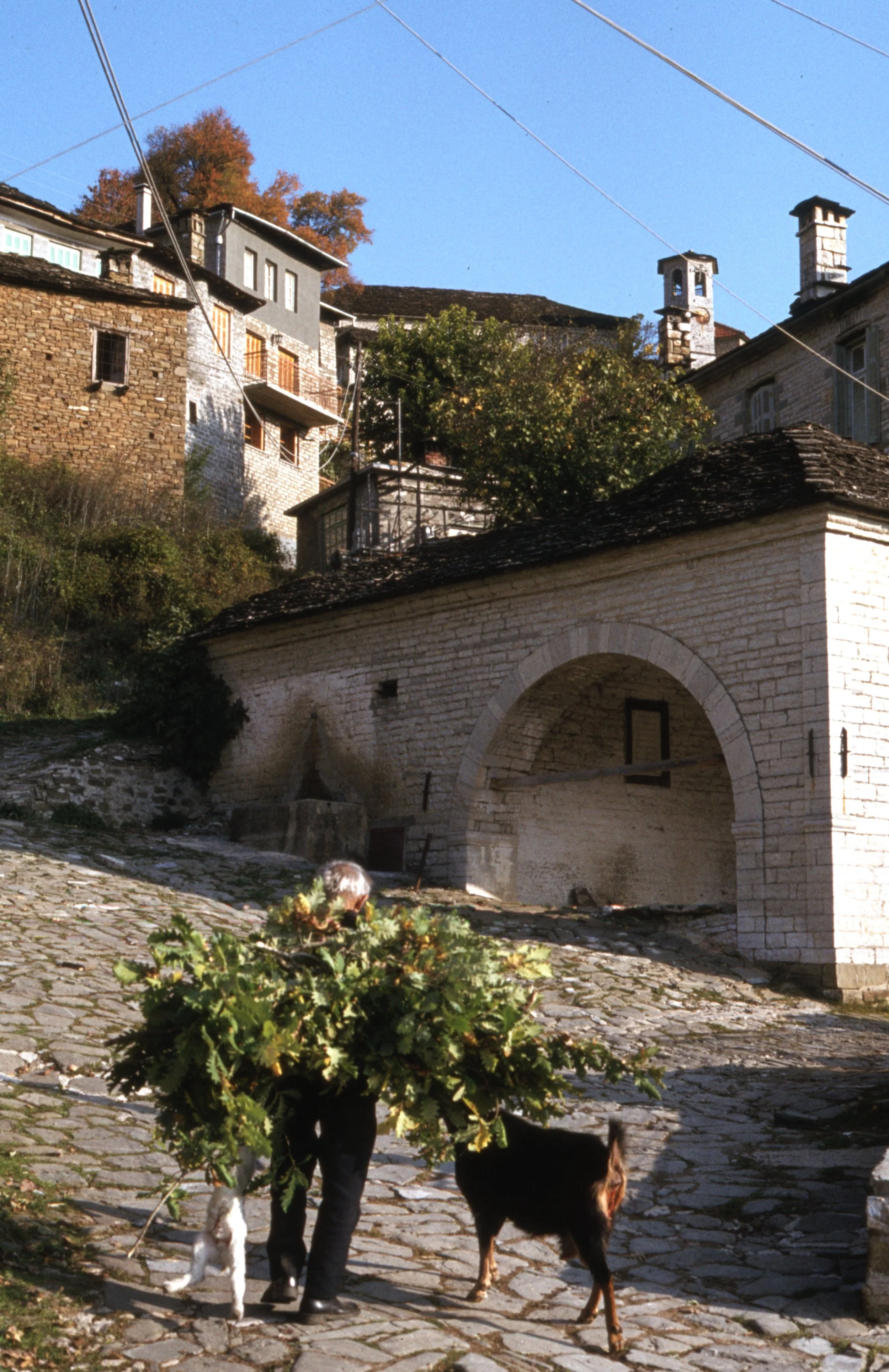
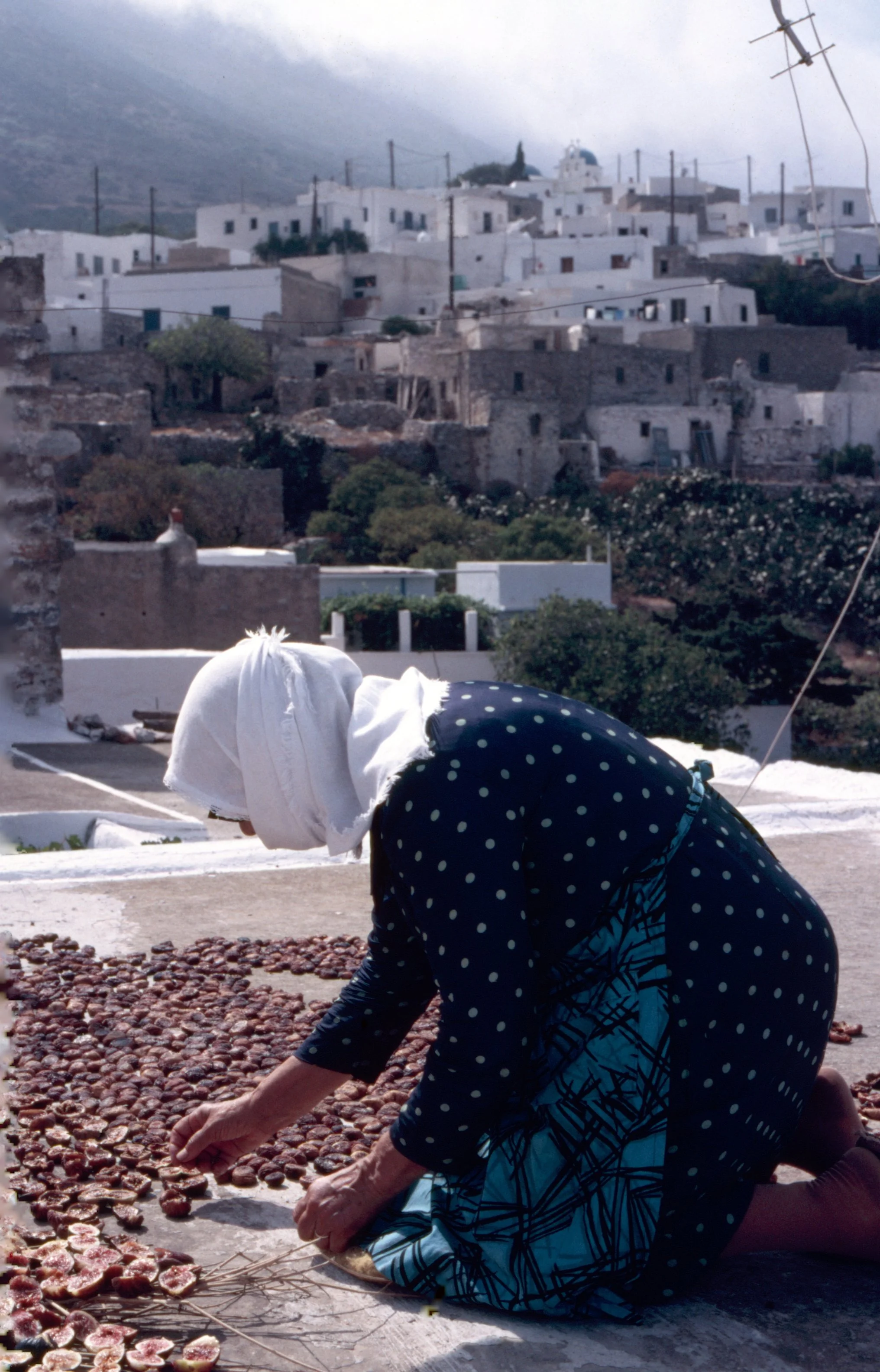
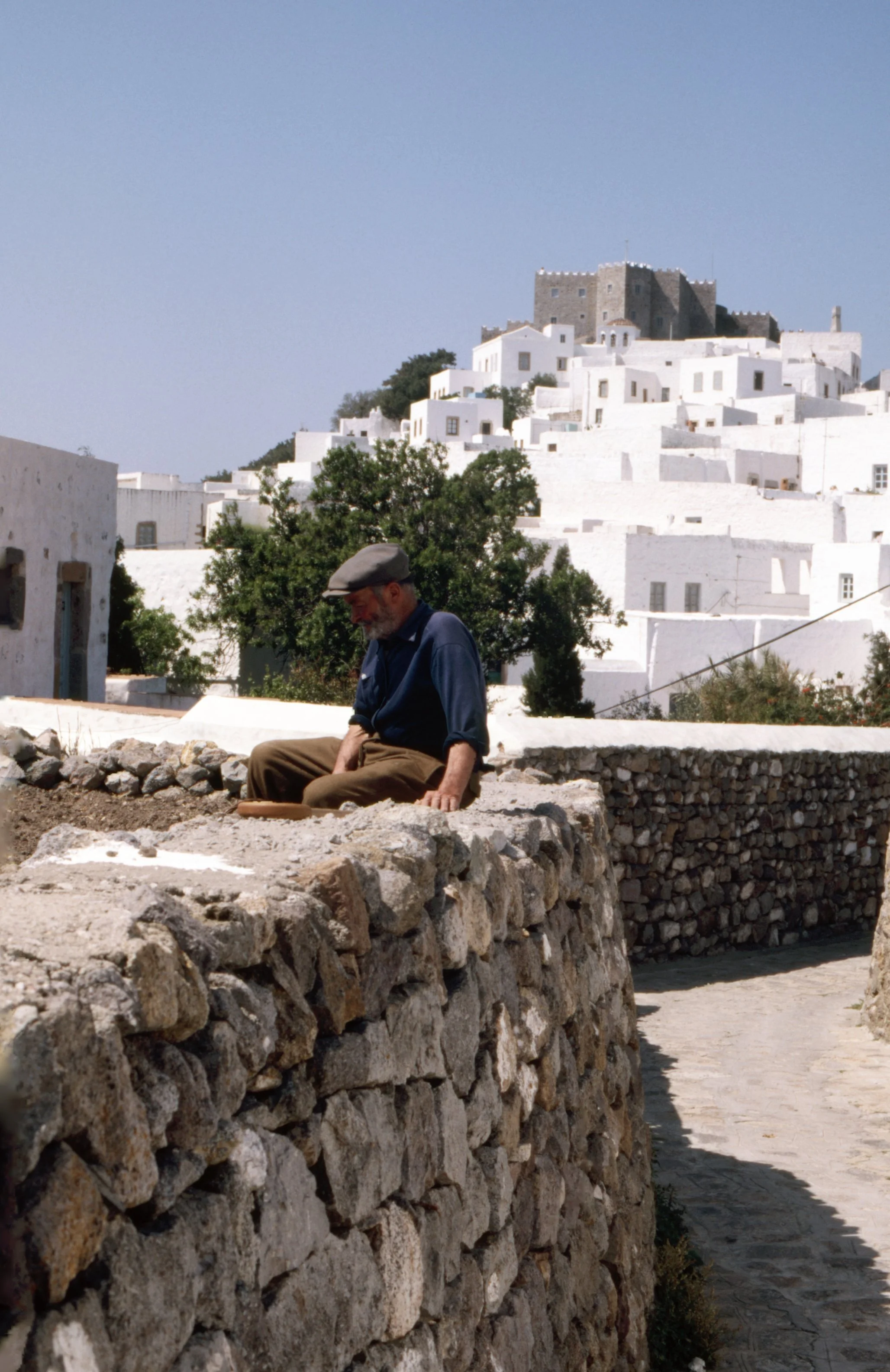
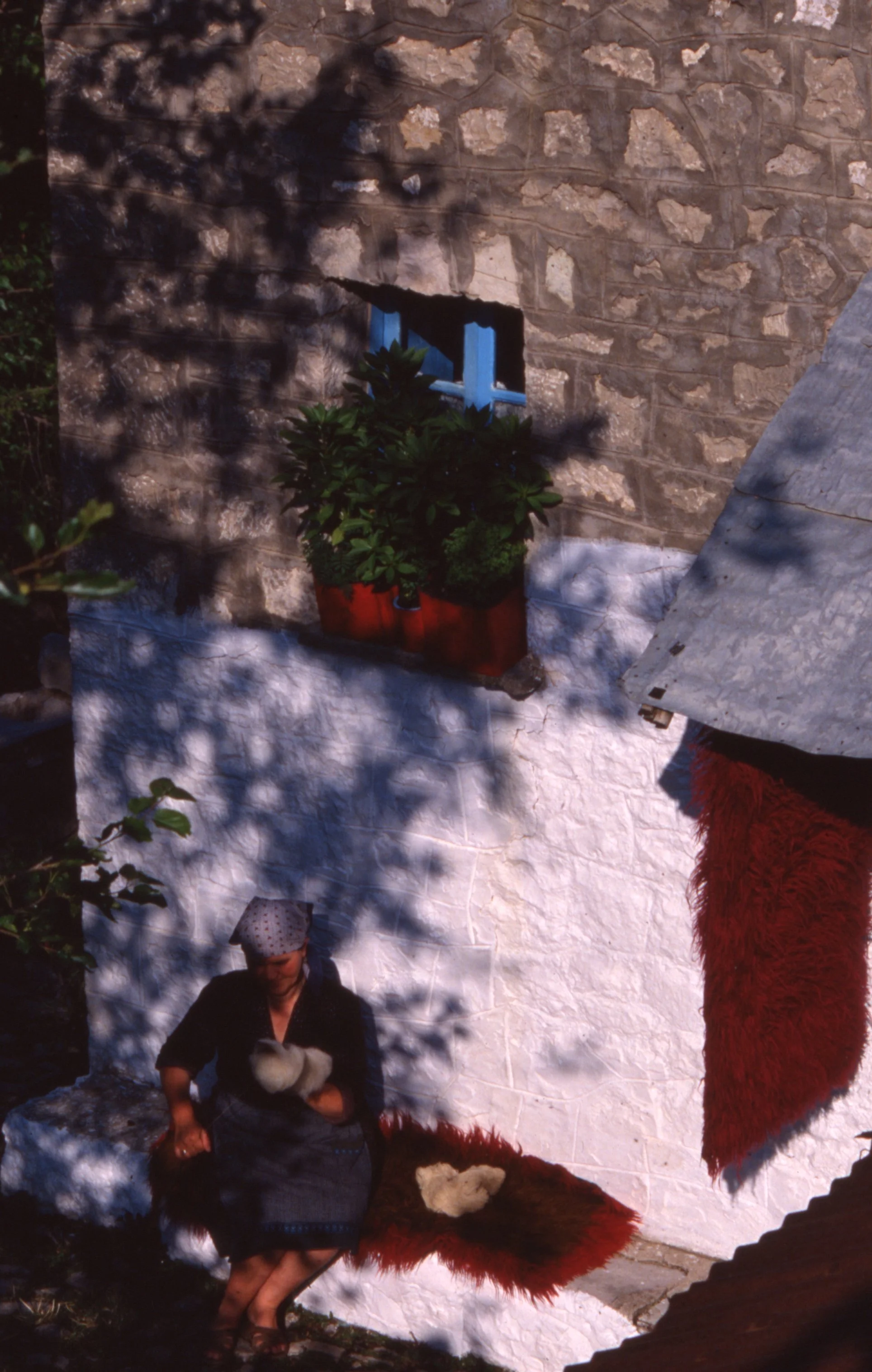
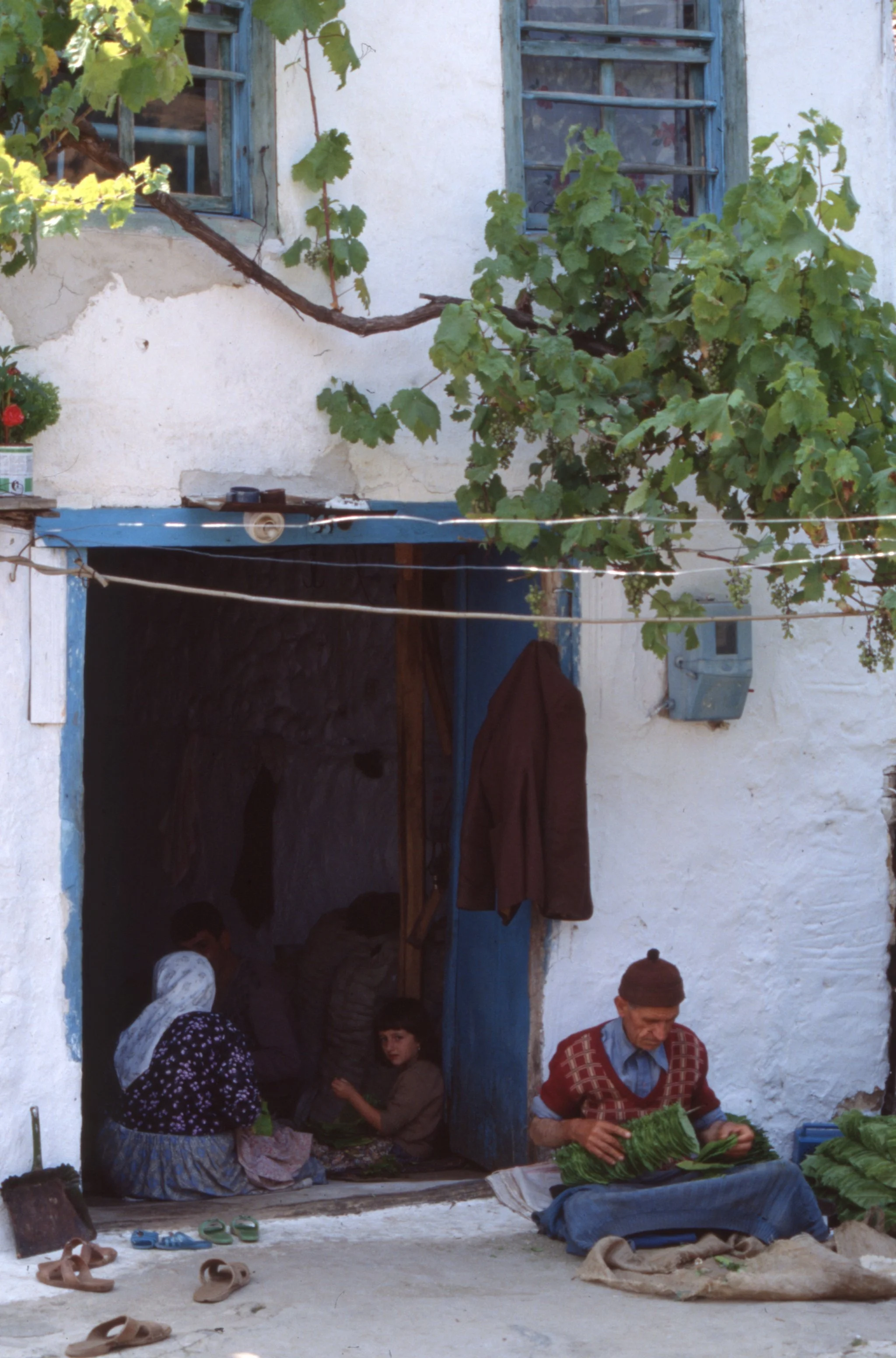
The first reading the cluster invites is one of what Yi-Fu Tuan called topophilic bond, or the emotional tie that develops from recurring bodily actions and encounters within a place. See the Woman with the Figs who the photograph renders half-absorbed into the whitewashed terrace and the cluster of houses up the hillside behind her. The work depicted is more atmospheric than heroic, gathering people, weather, walls, animals, tools, and seasons into a single shared pattern of living/daily life, showing how the bodies in these photographs are part of how the landscape is held together.
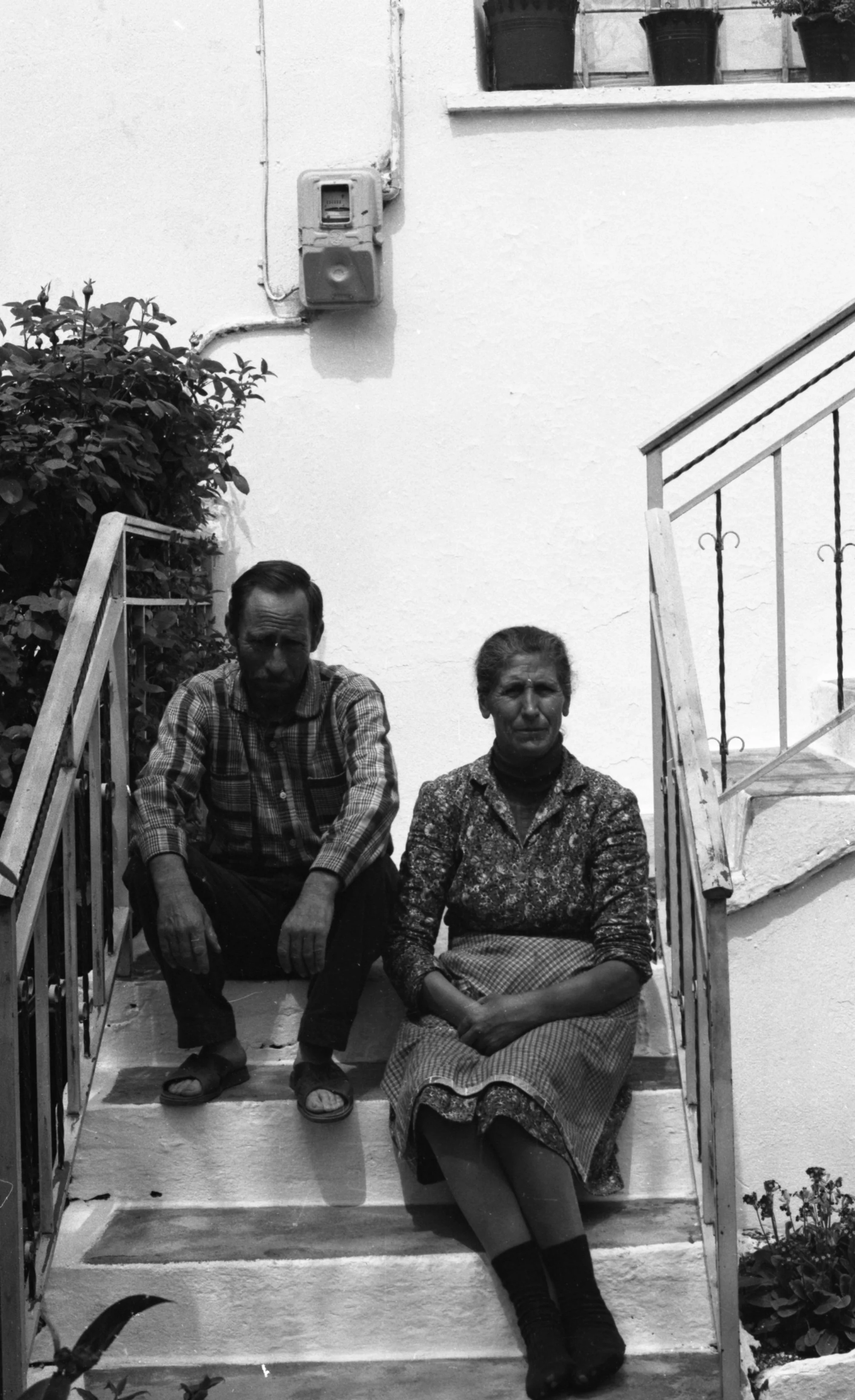
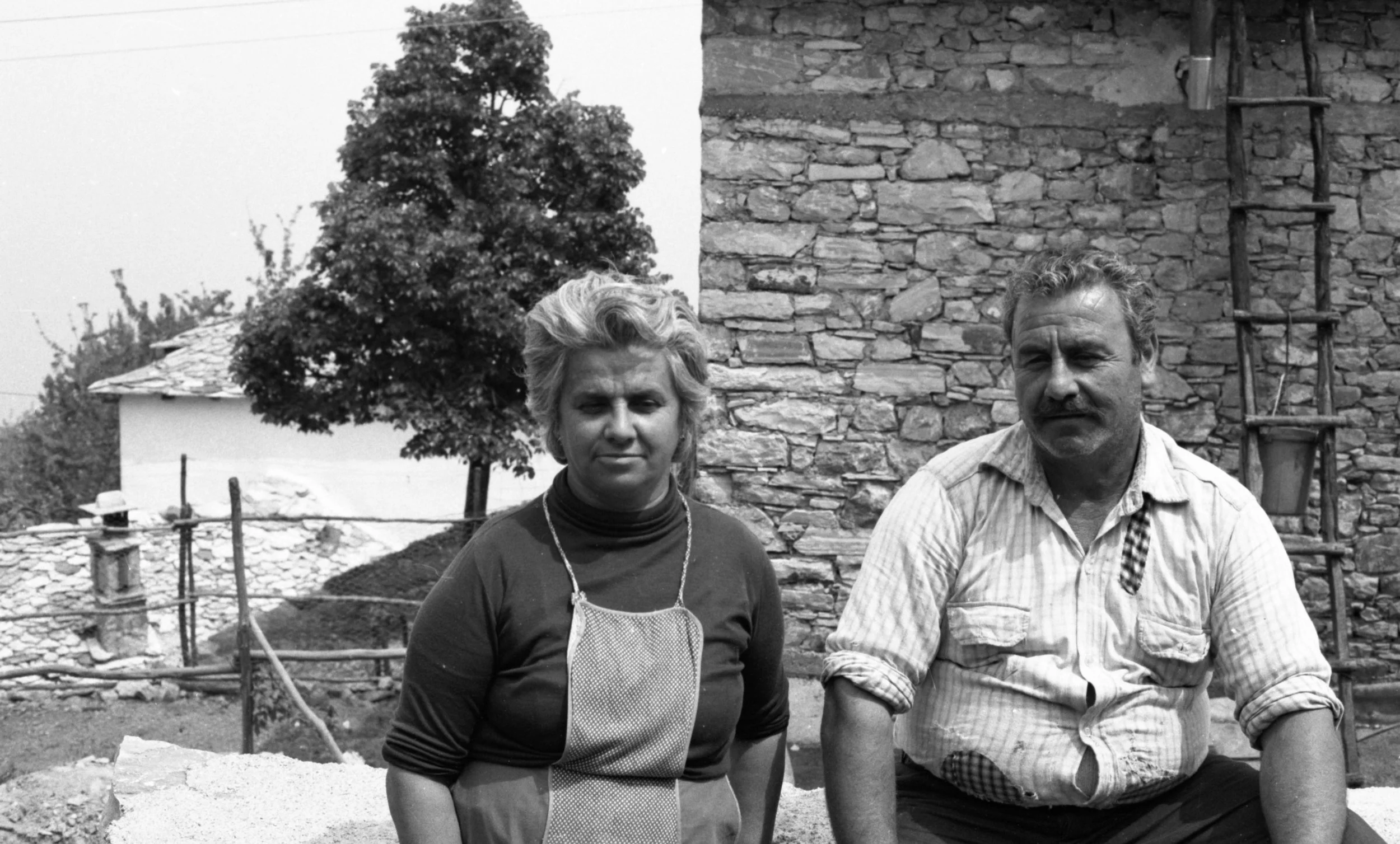
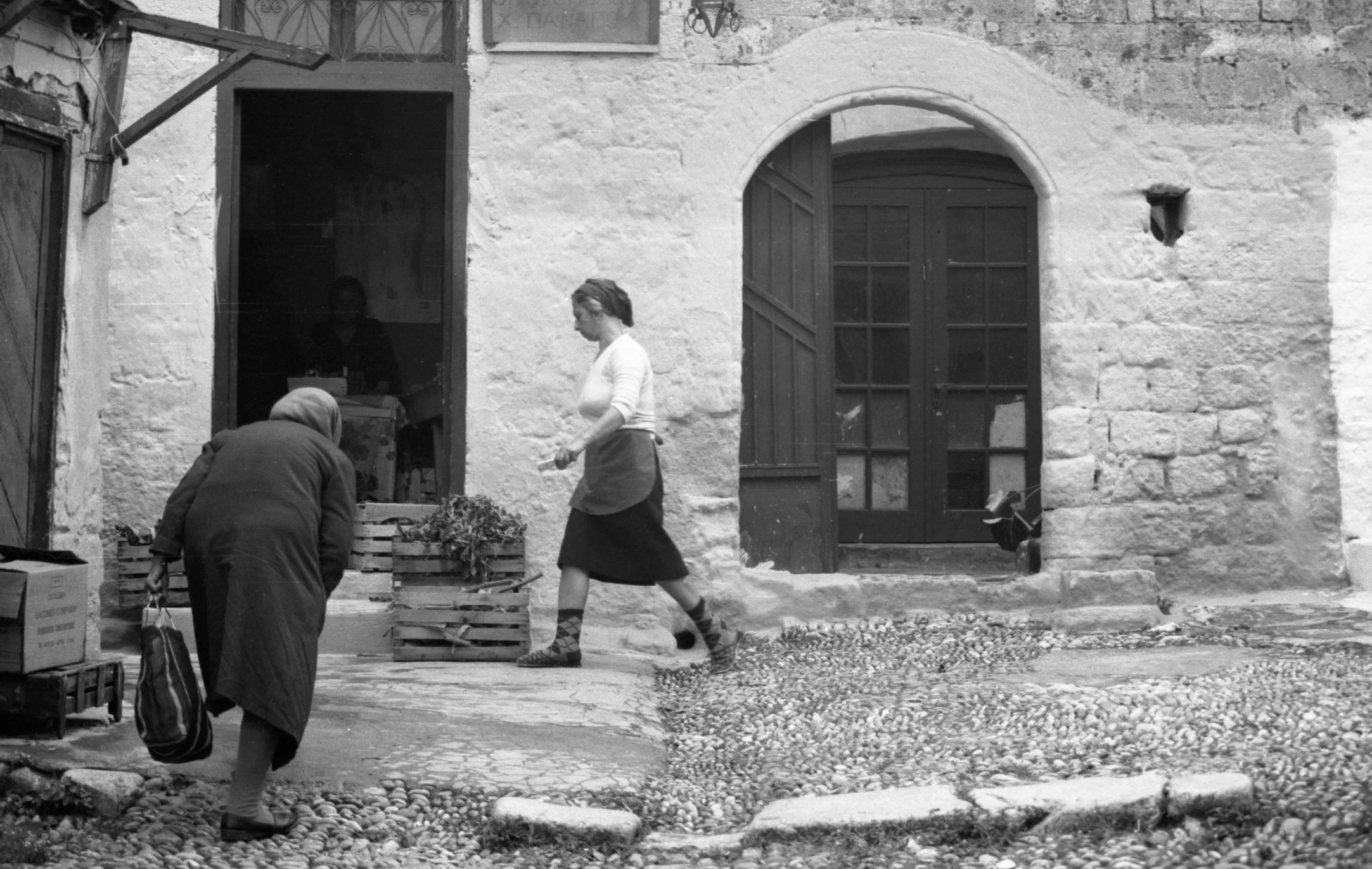
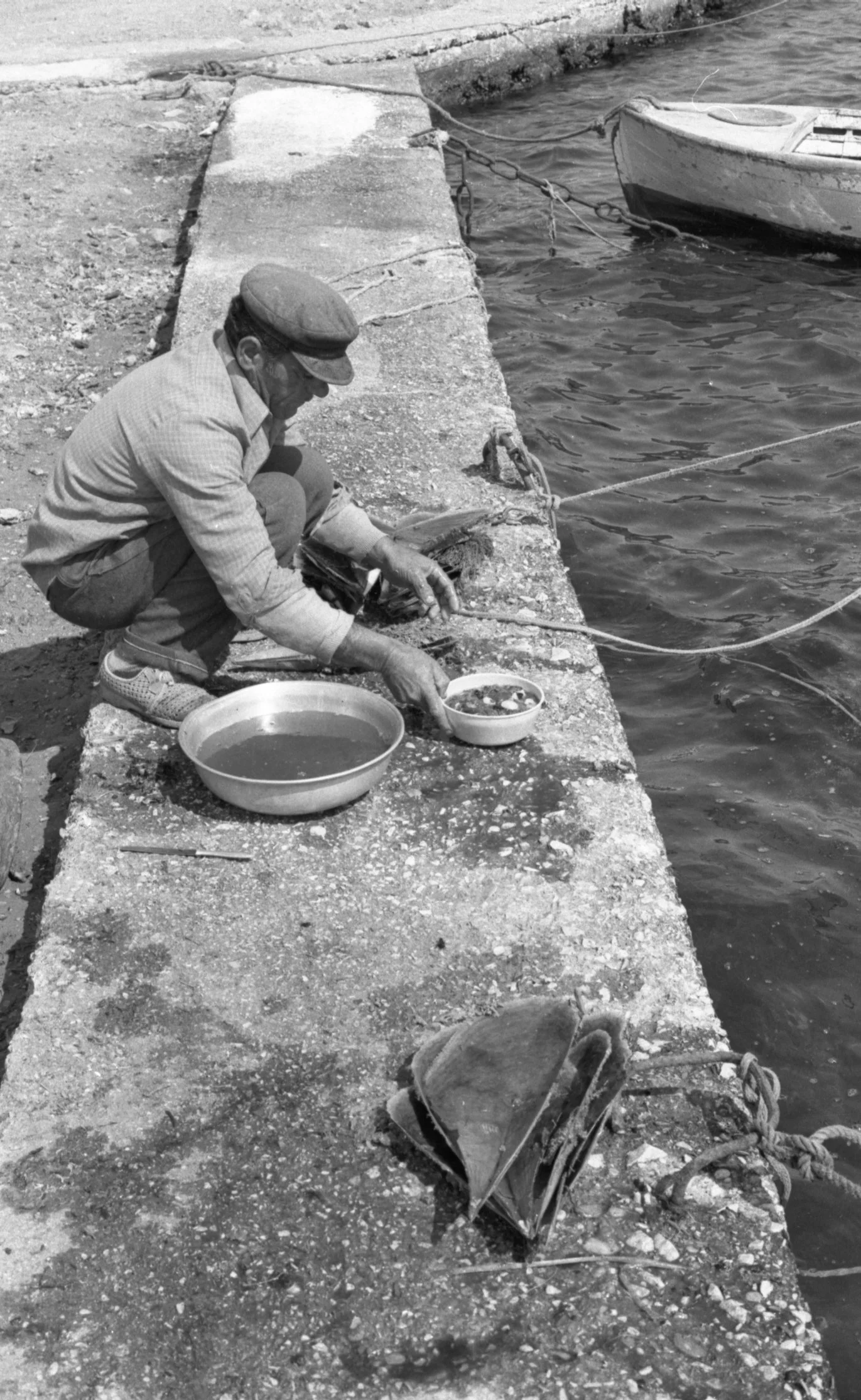
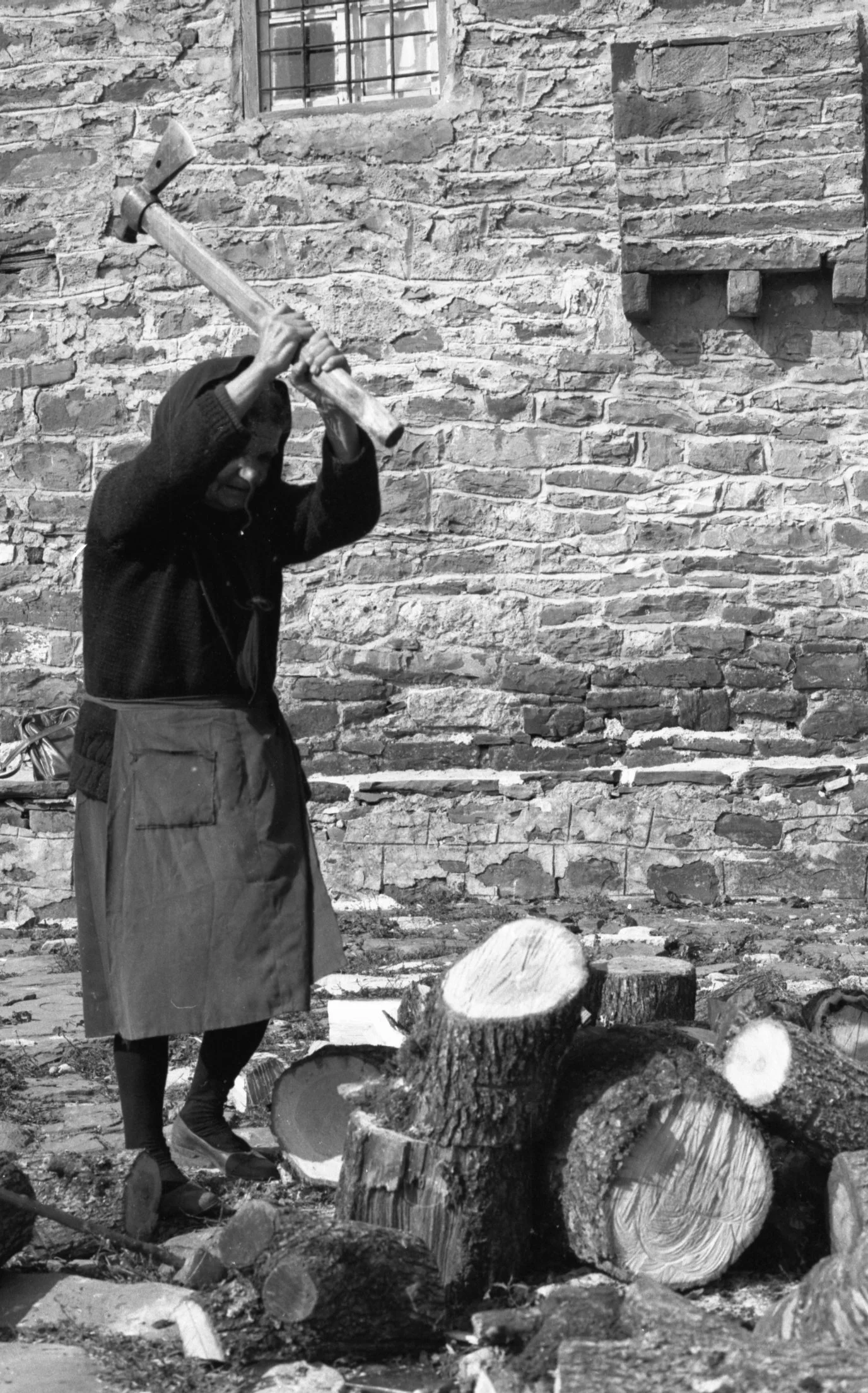
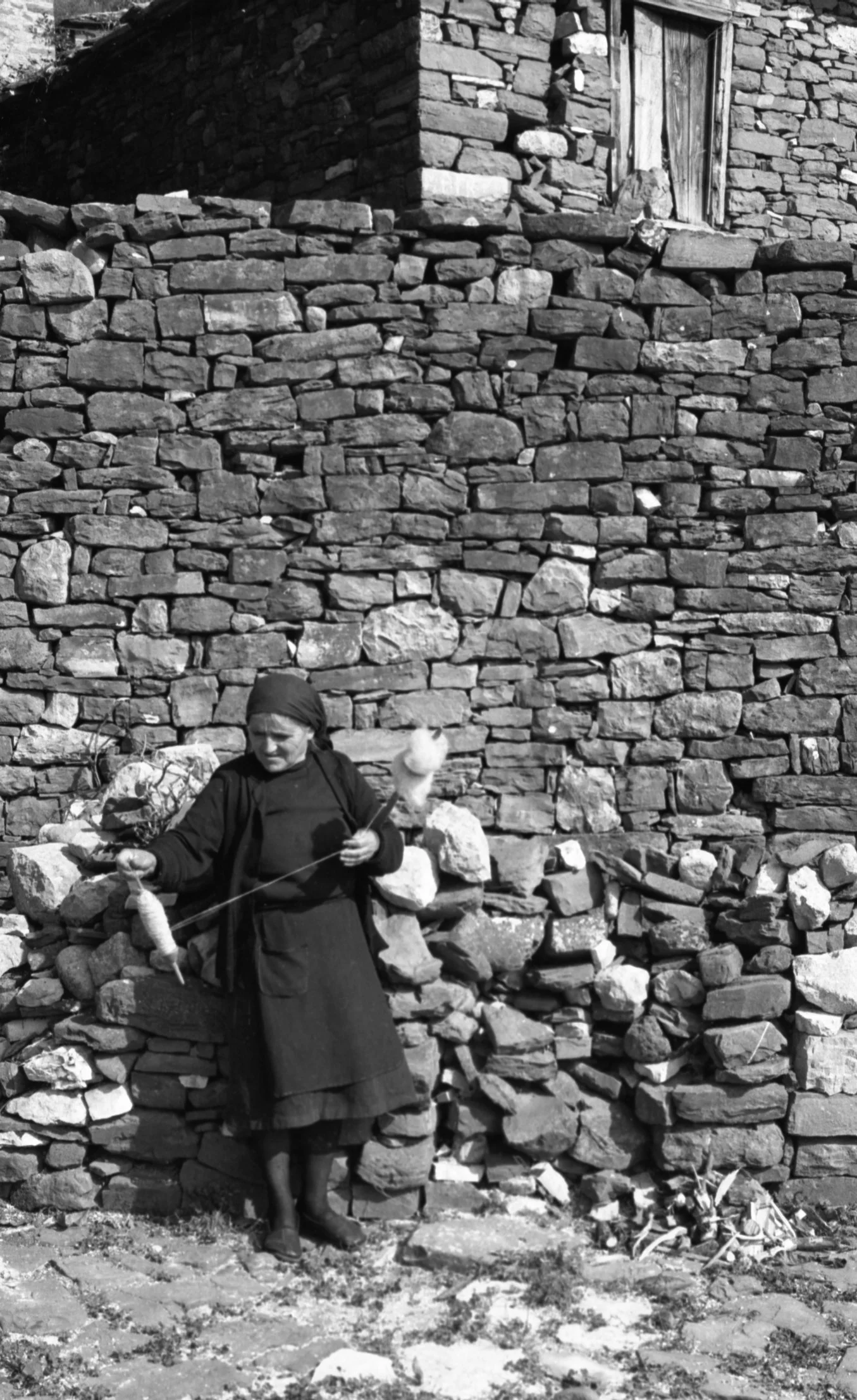
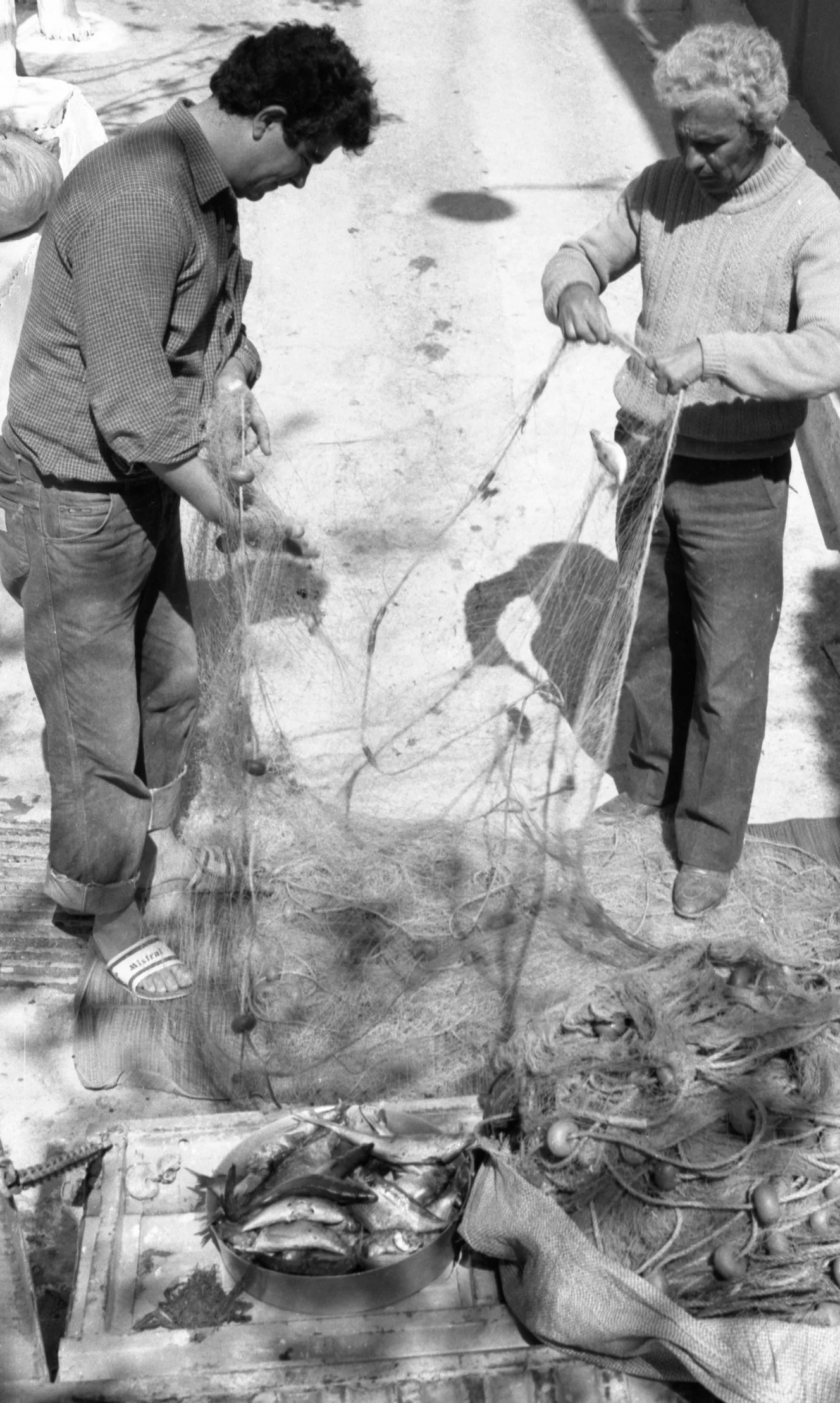
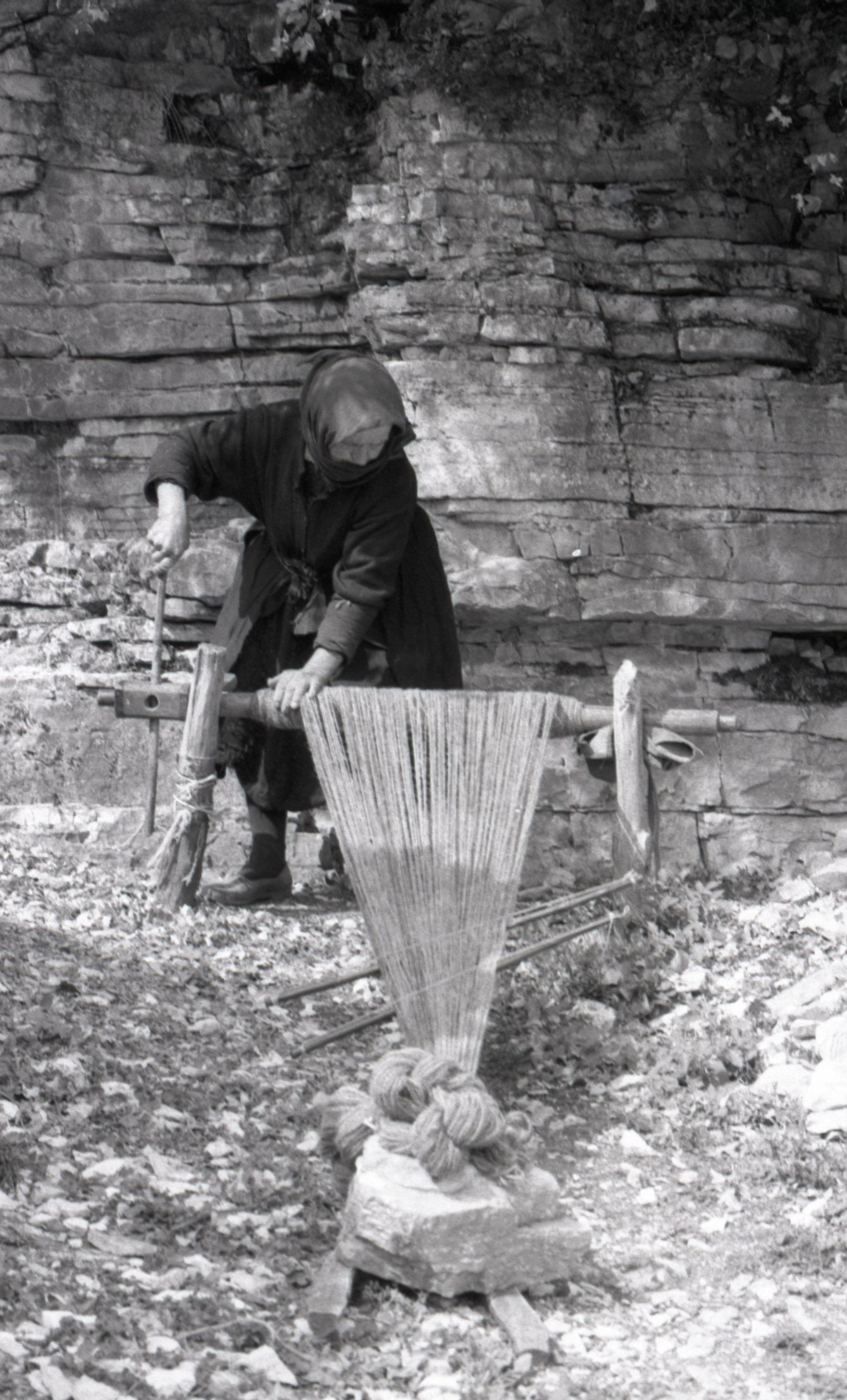
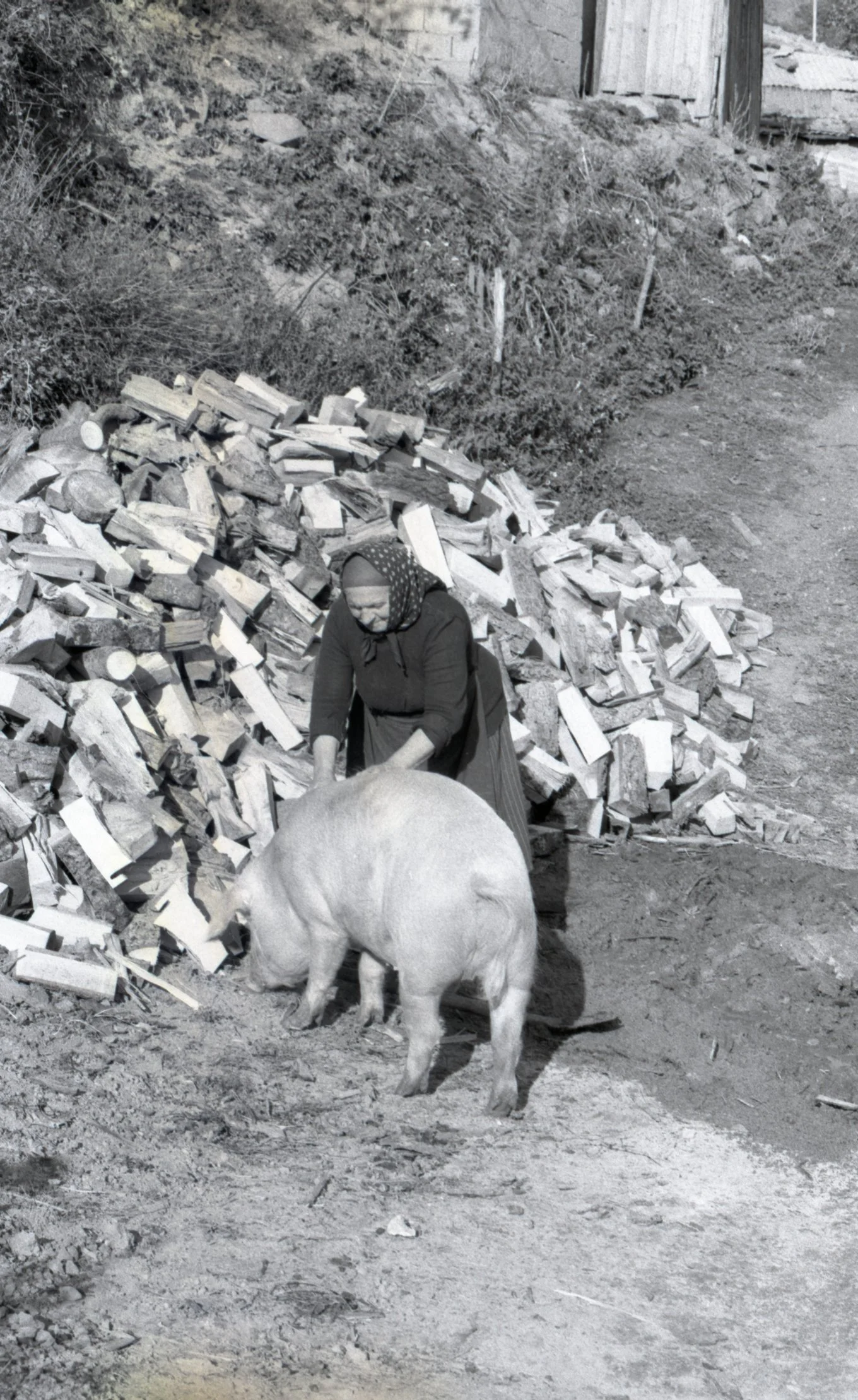
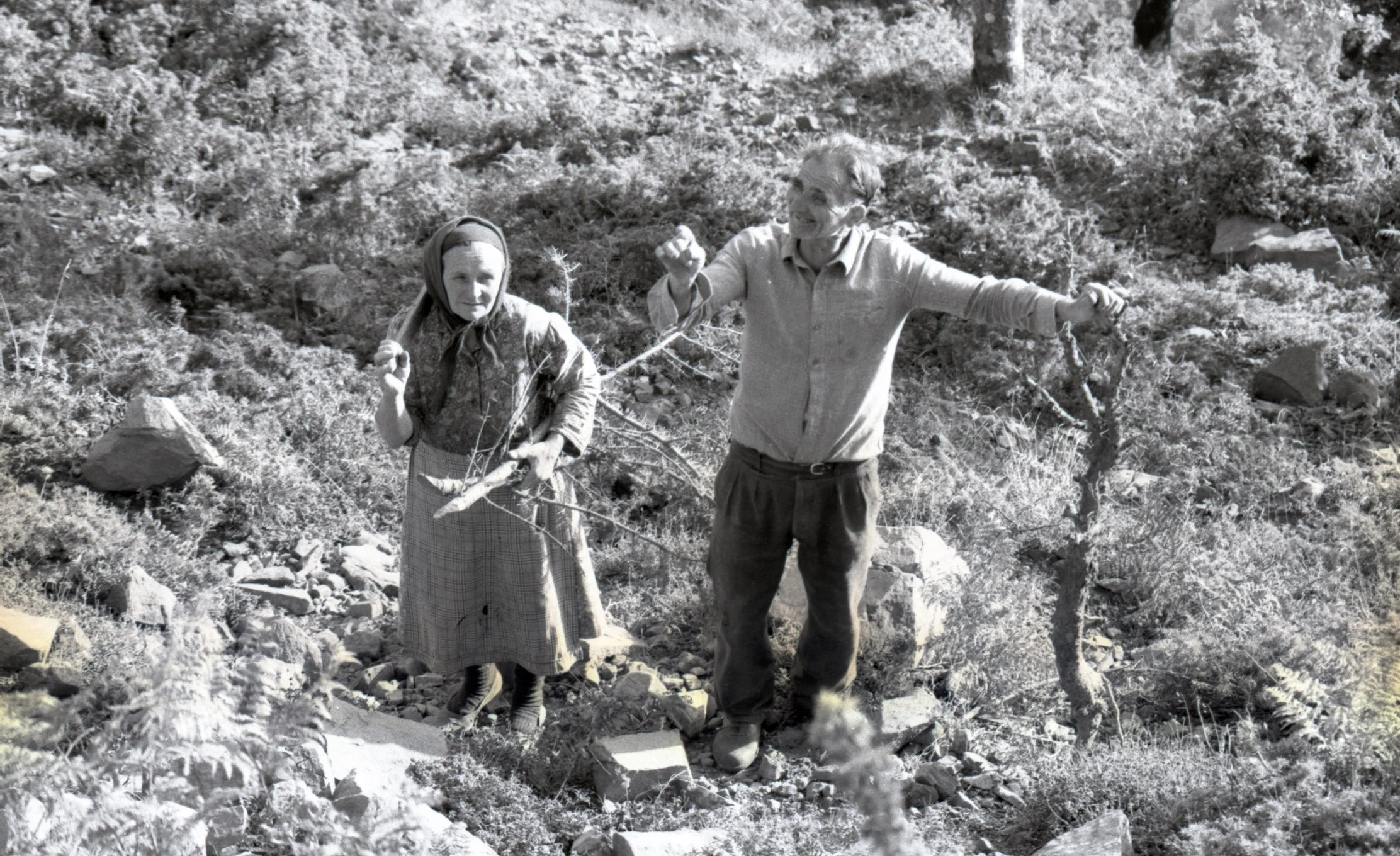
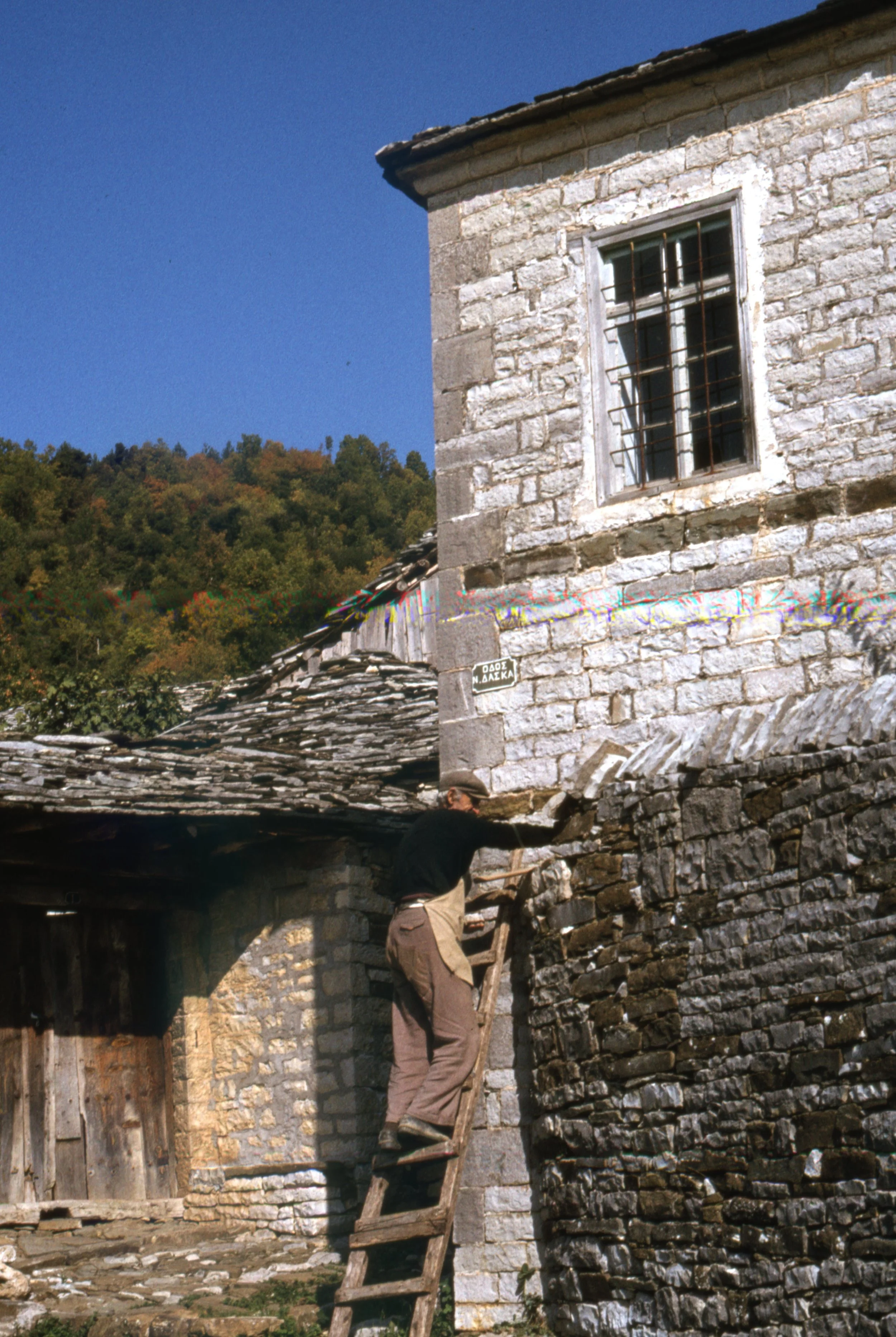
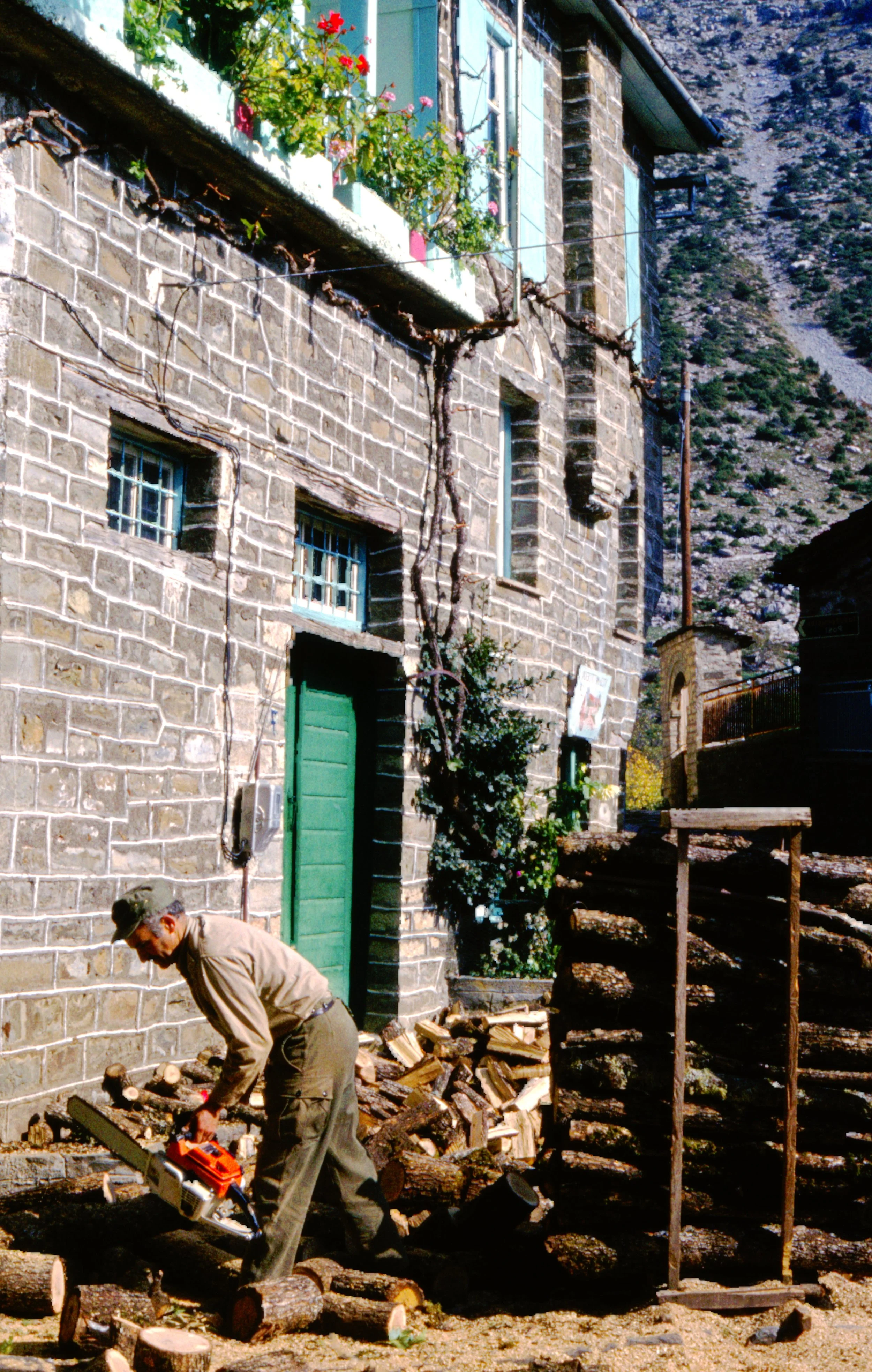
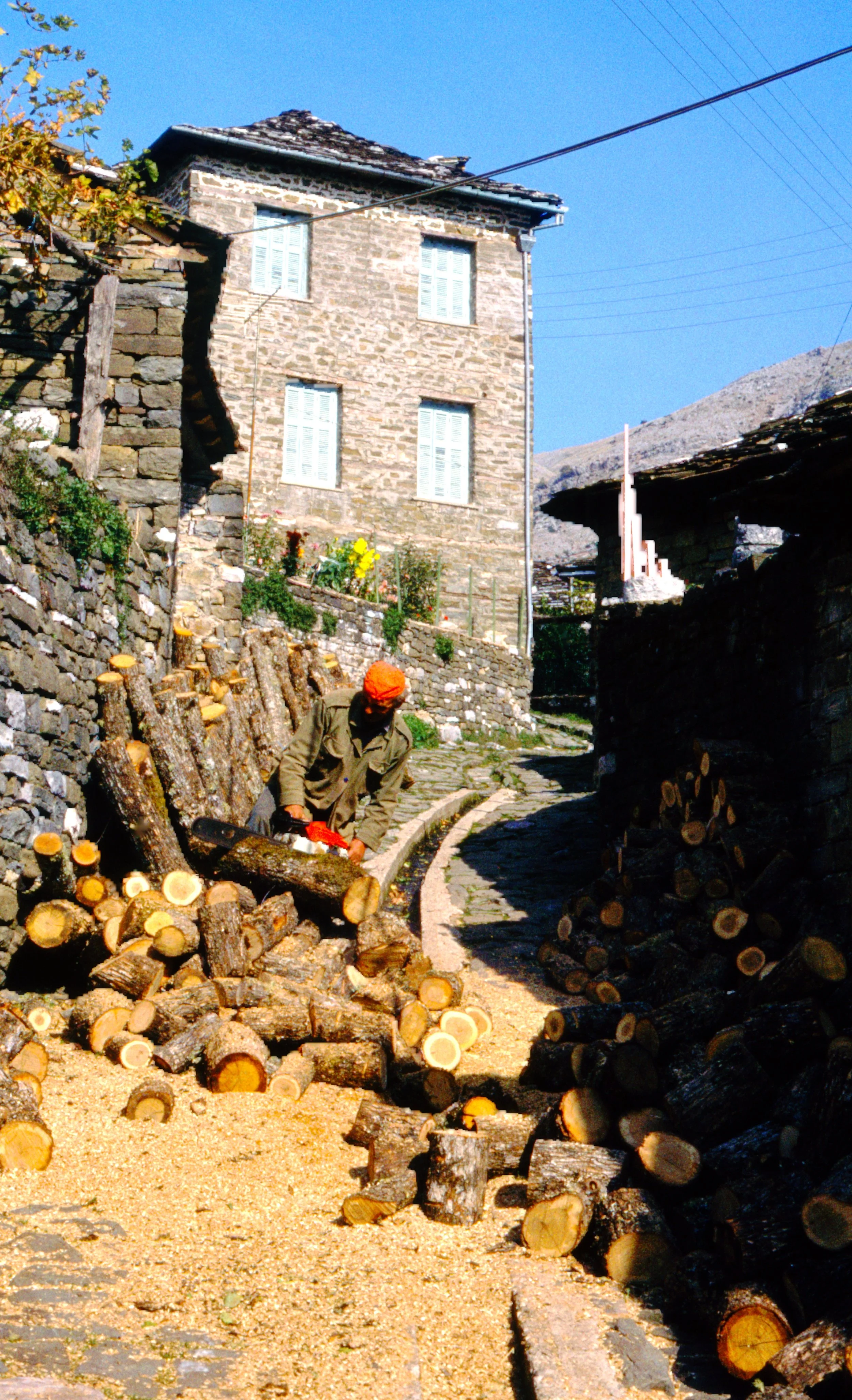
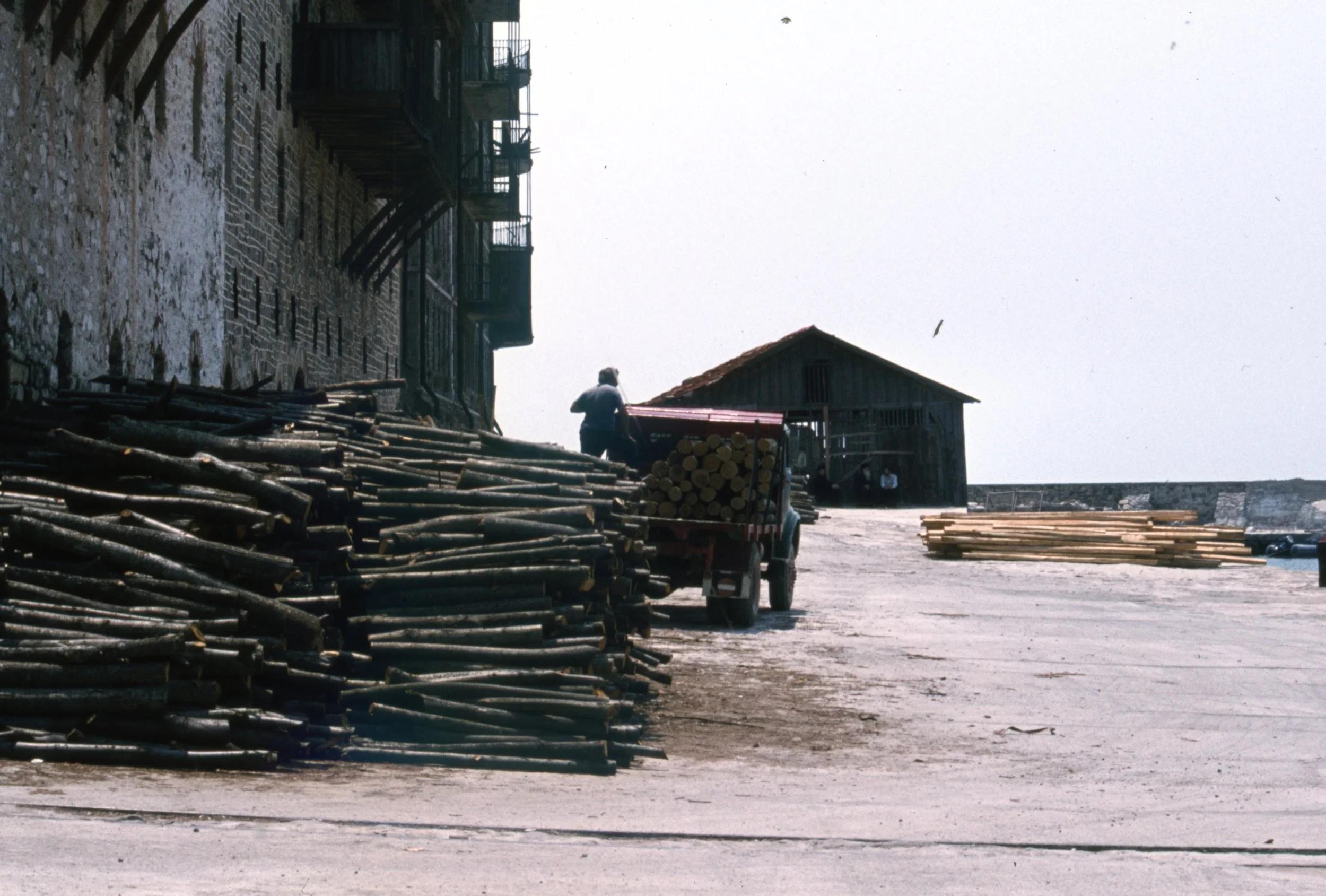
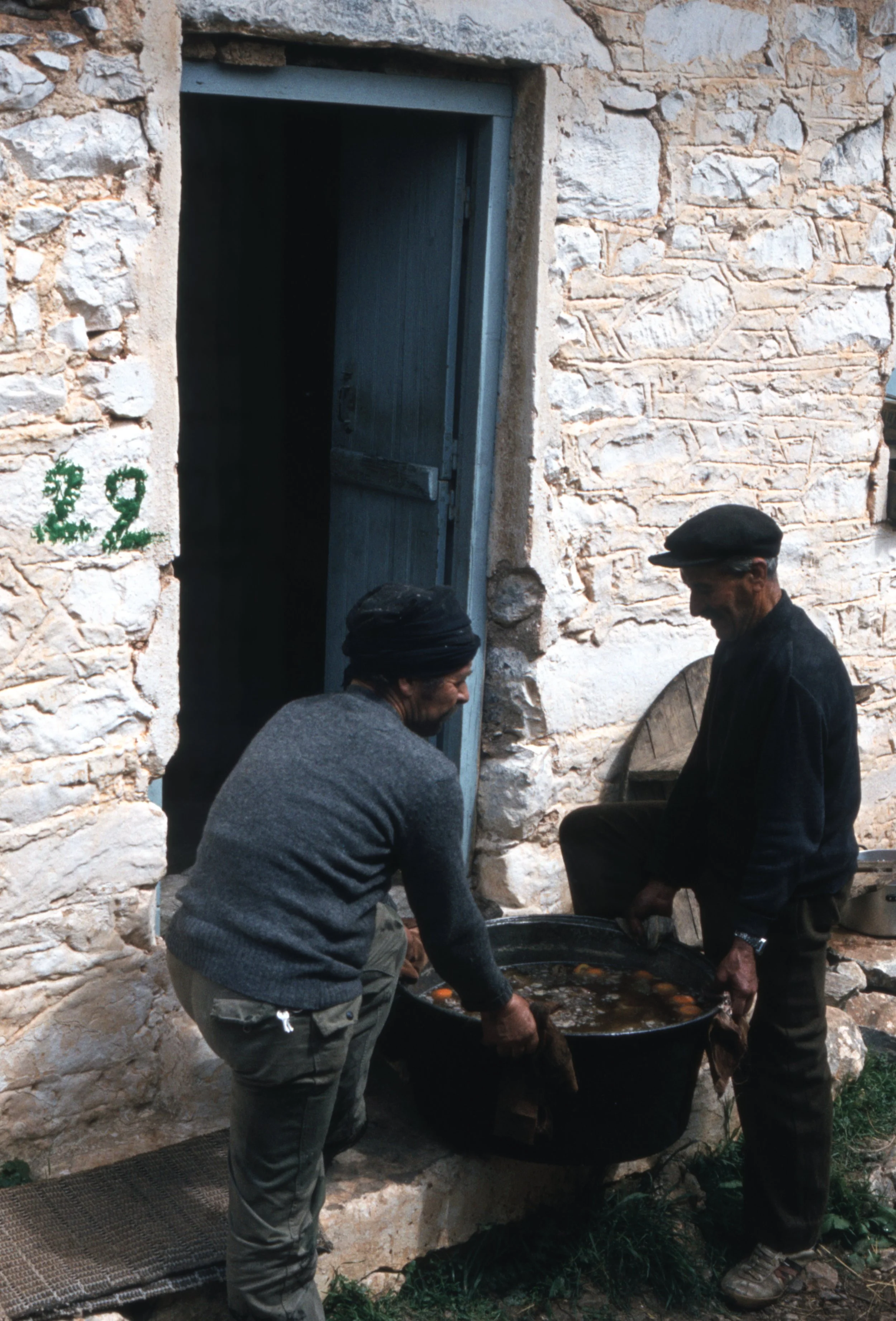
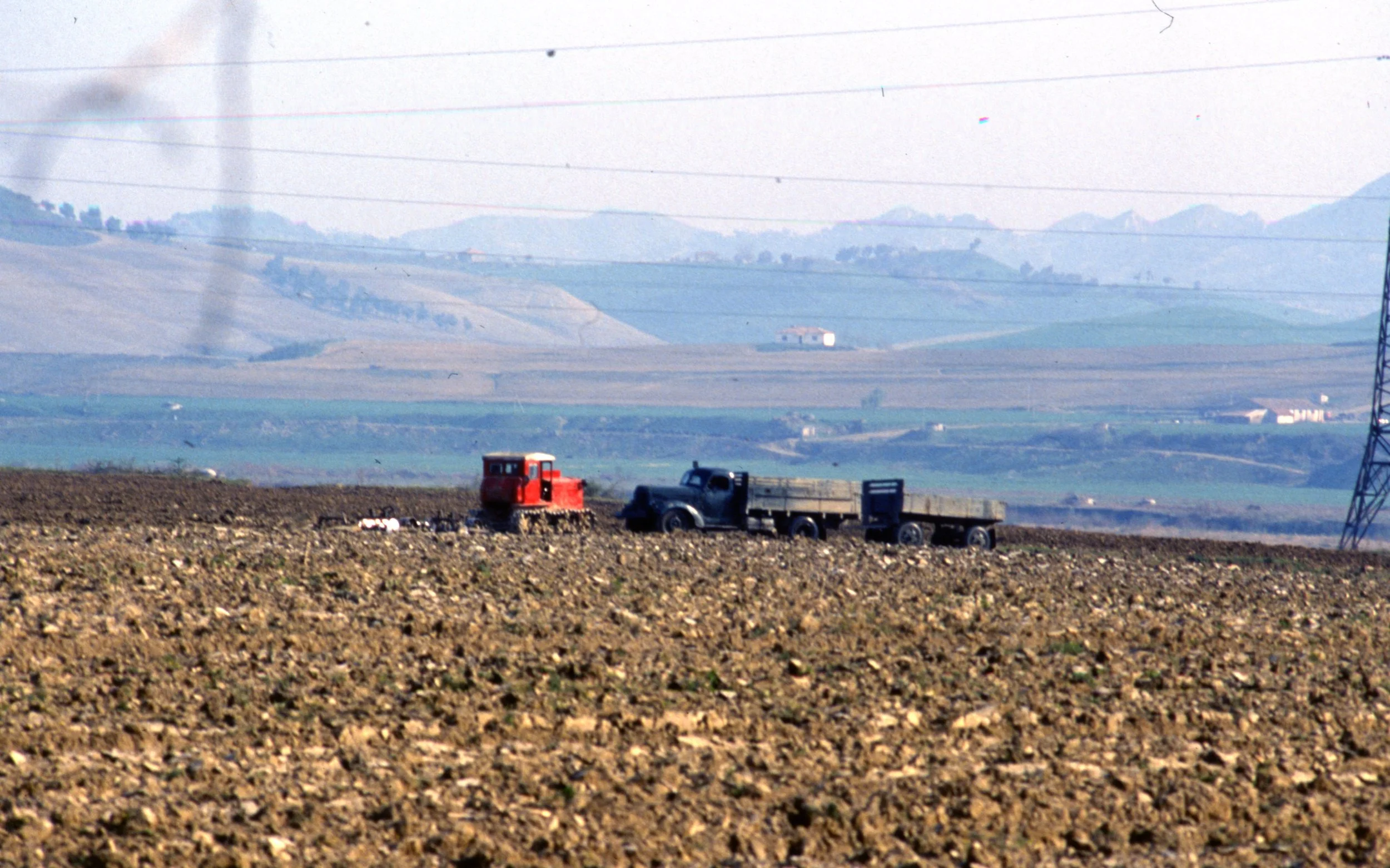
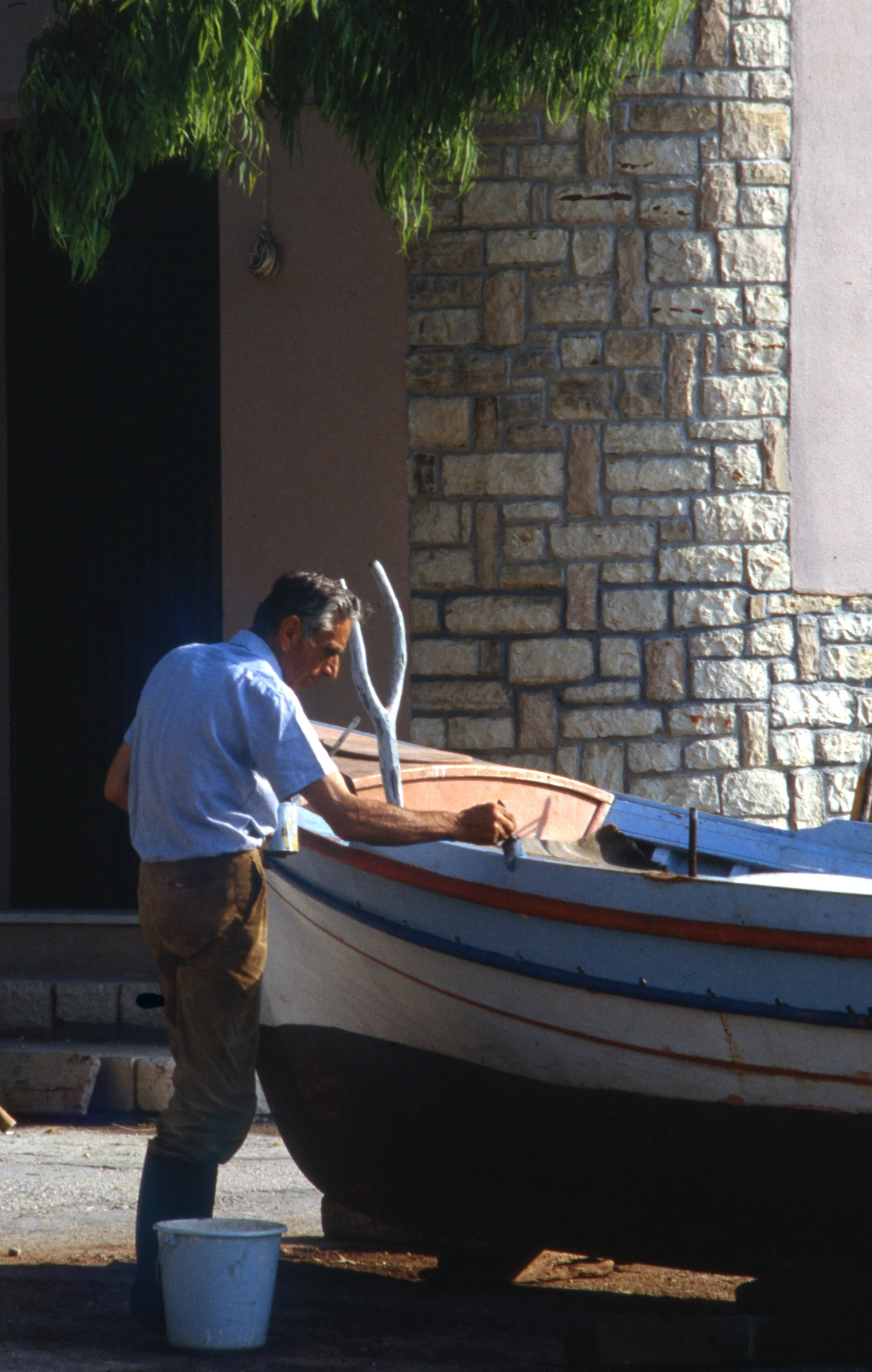
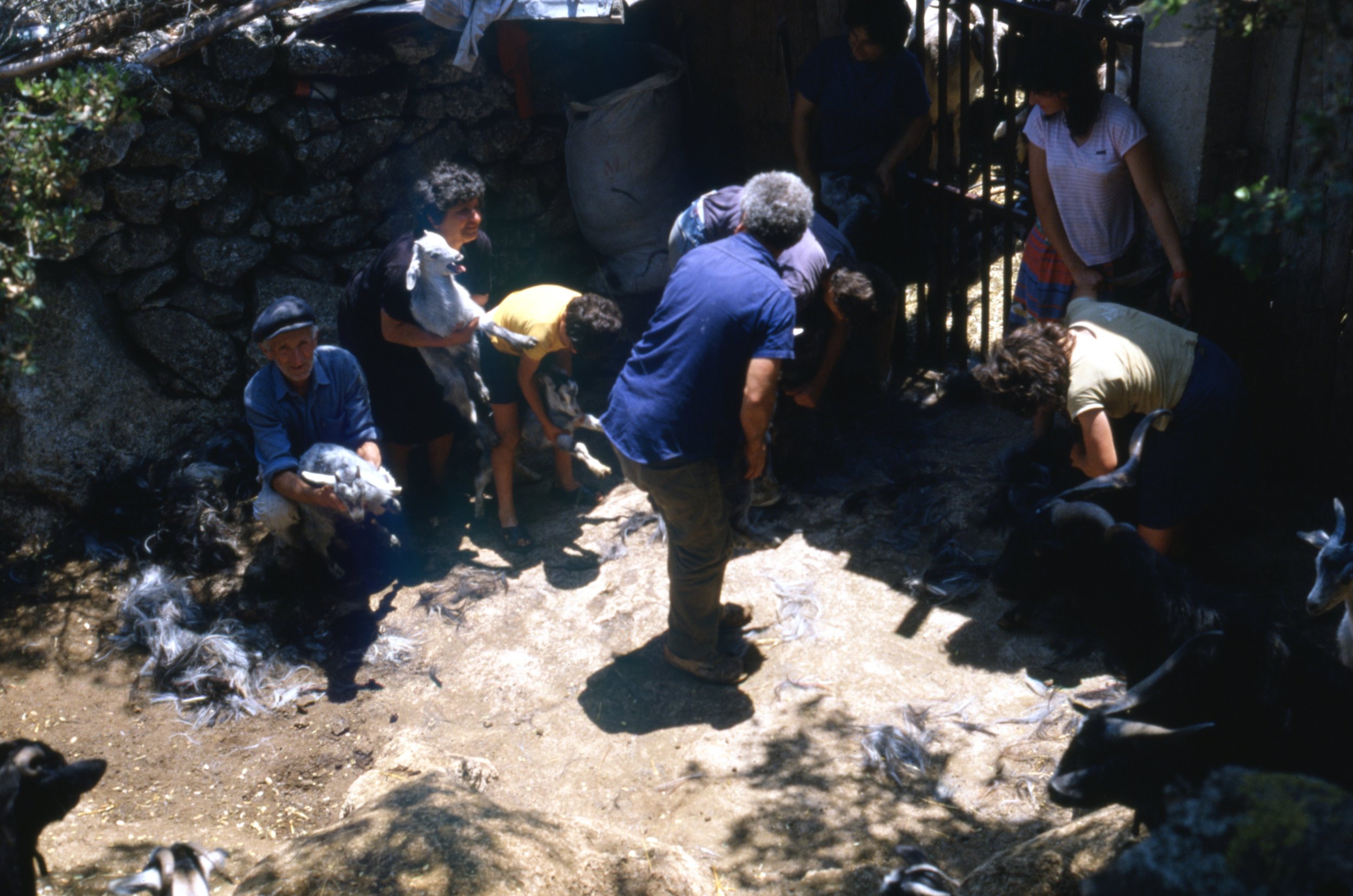
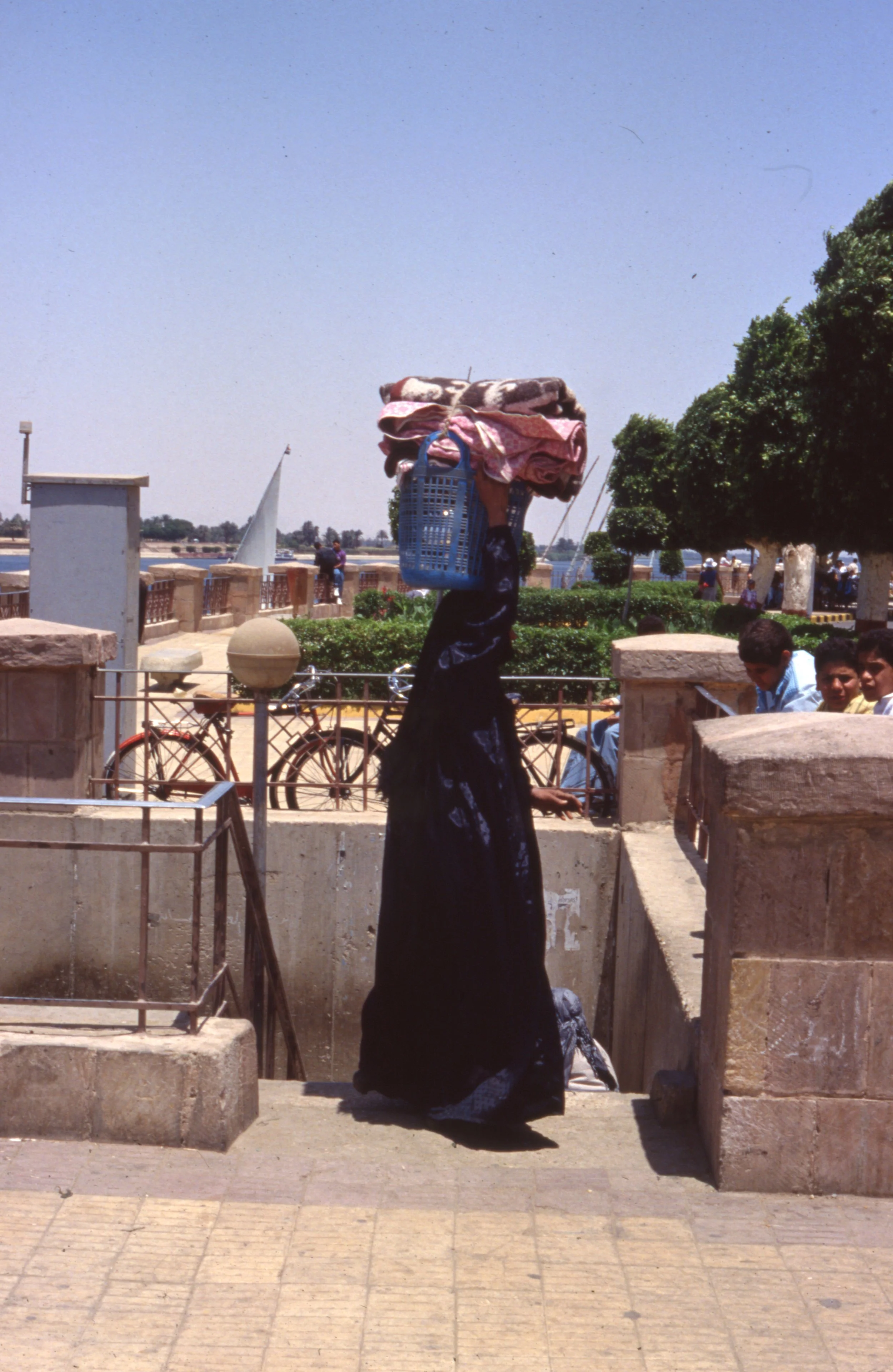
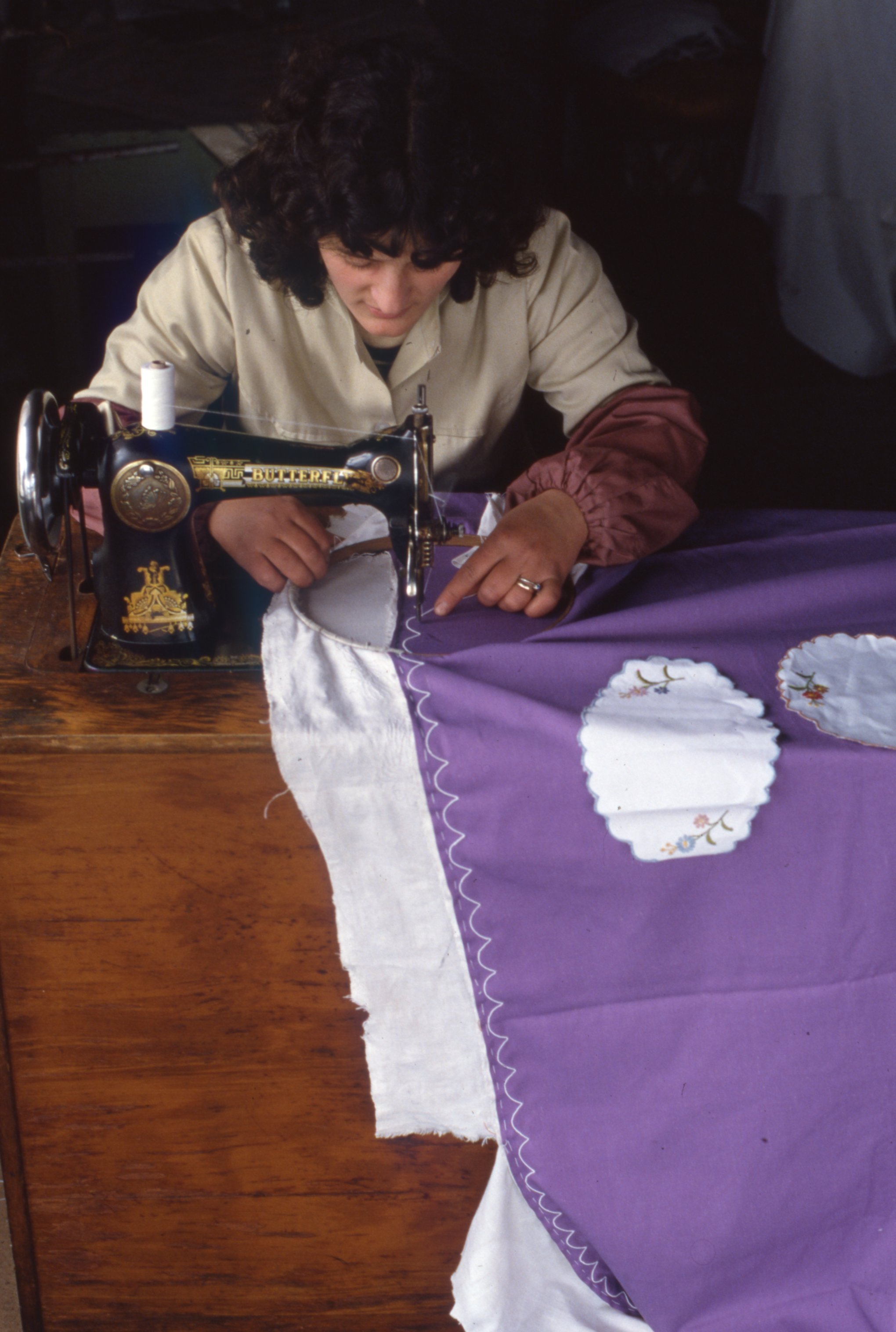
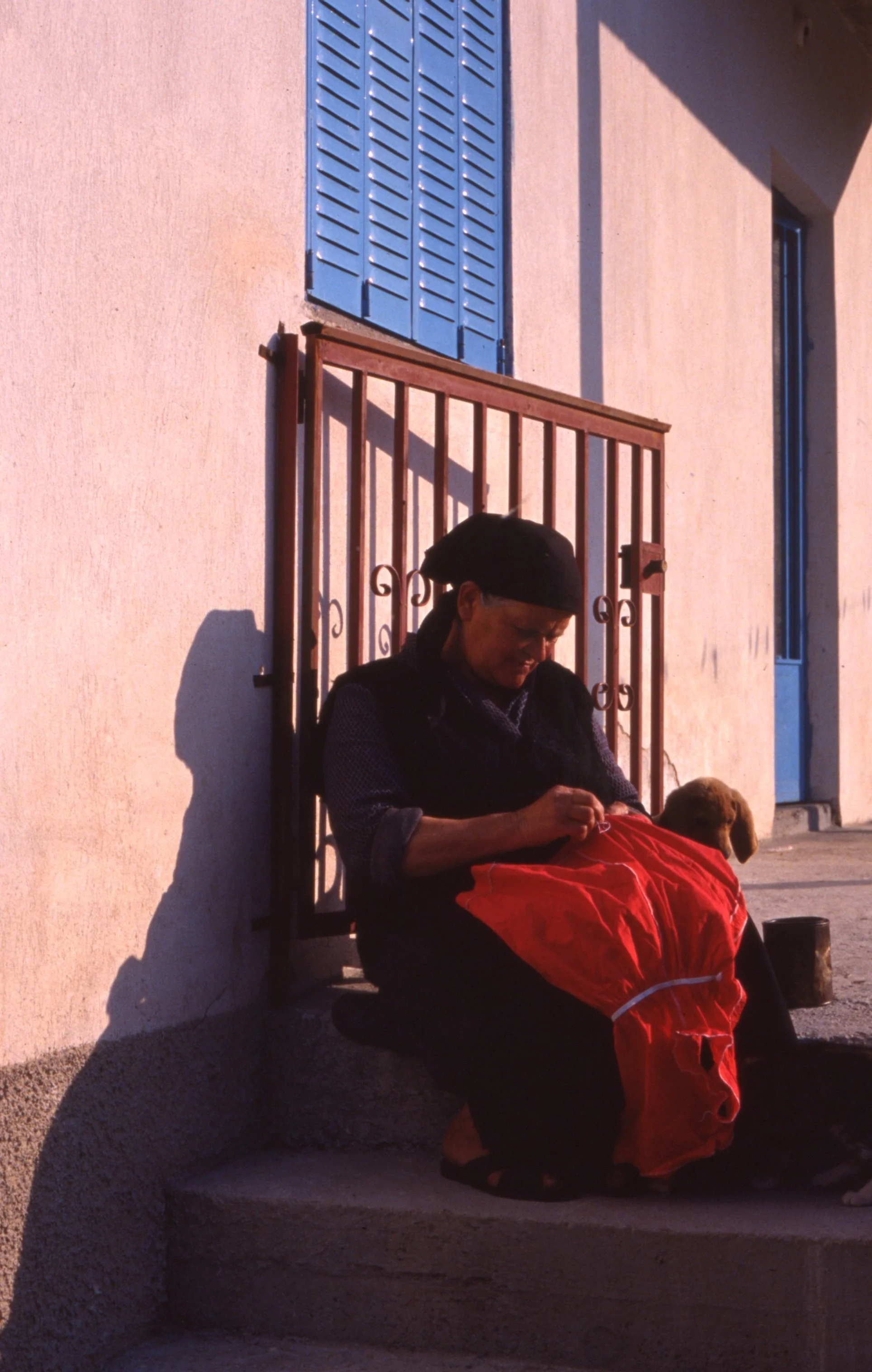
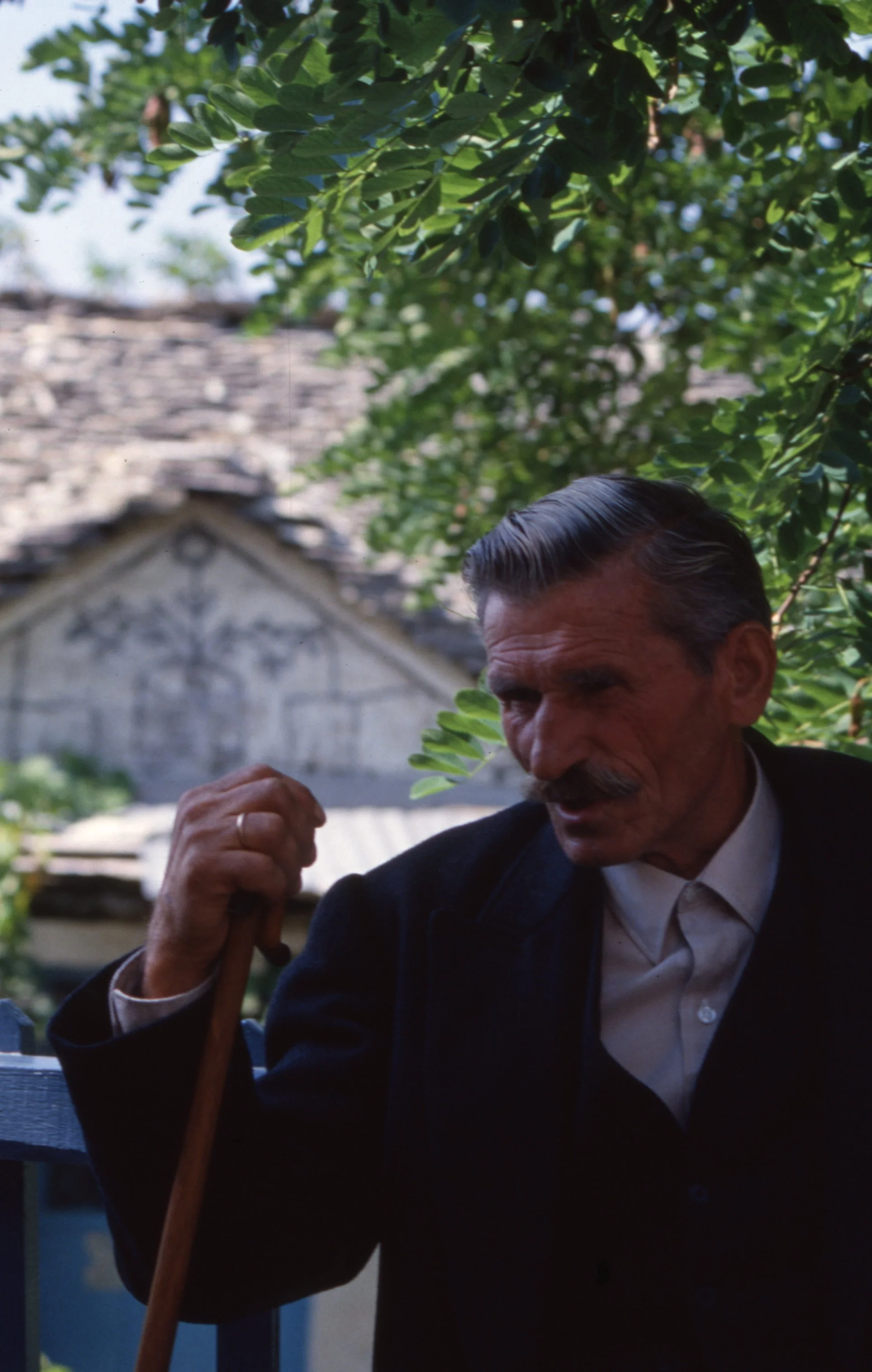
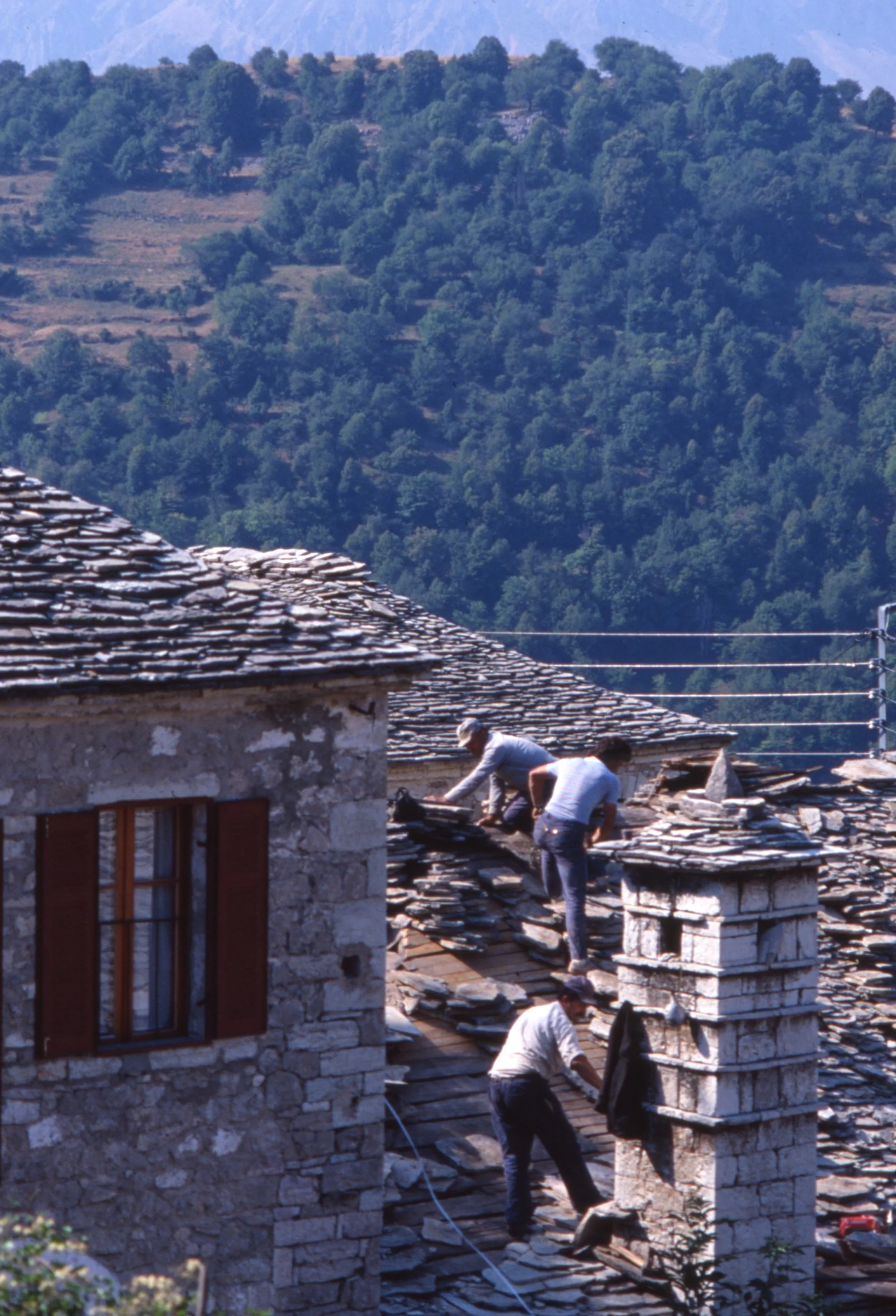
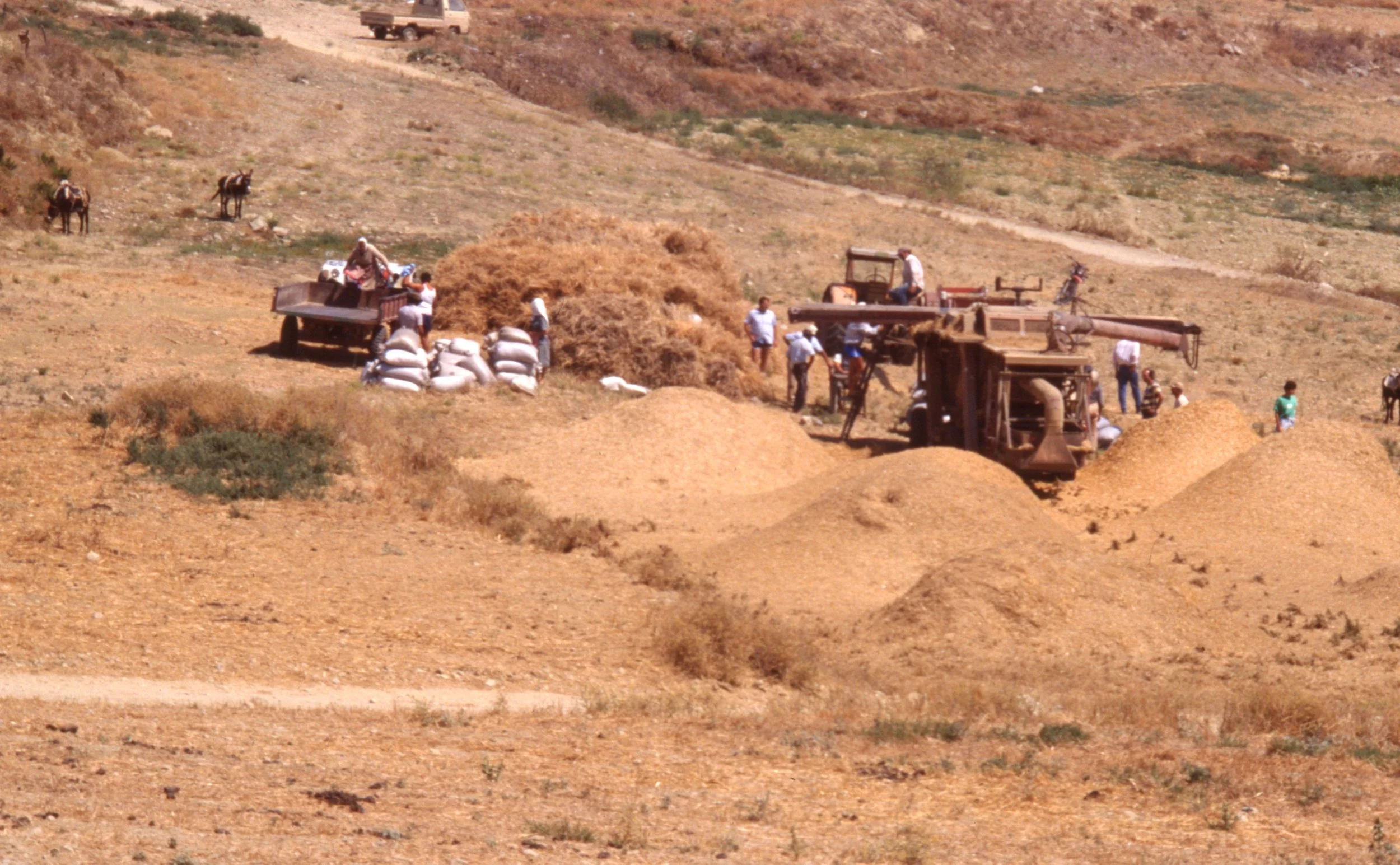
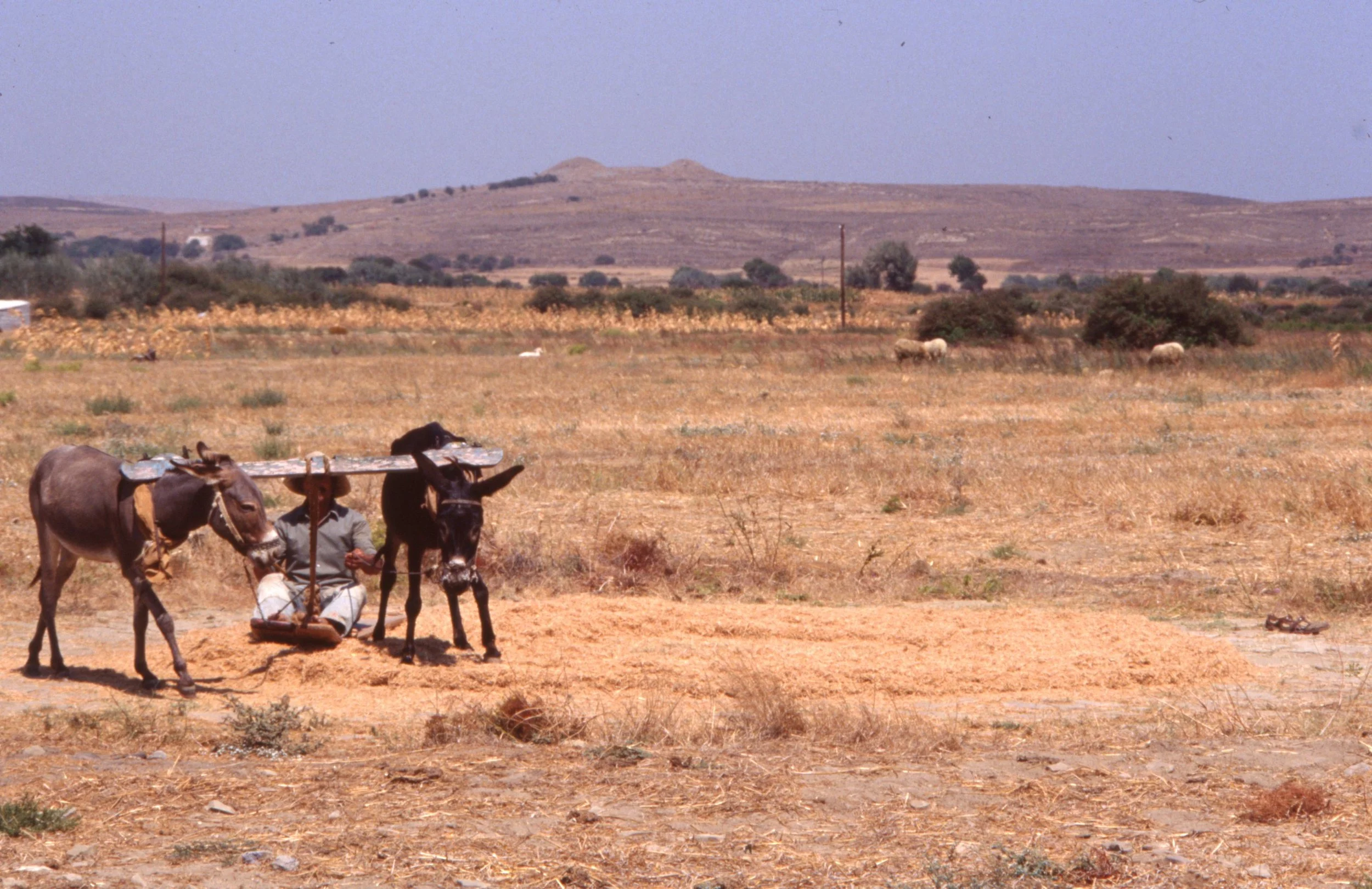
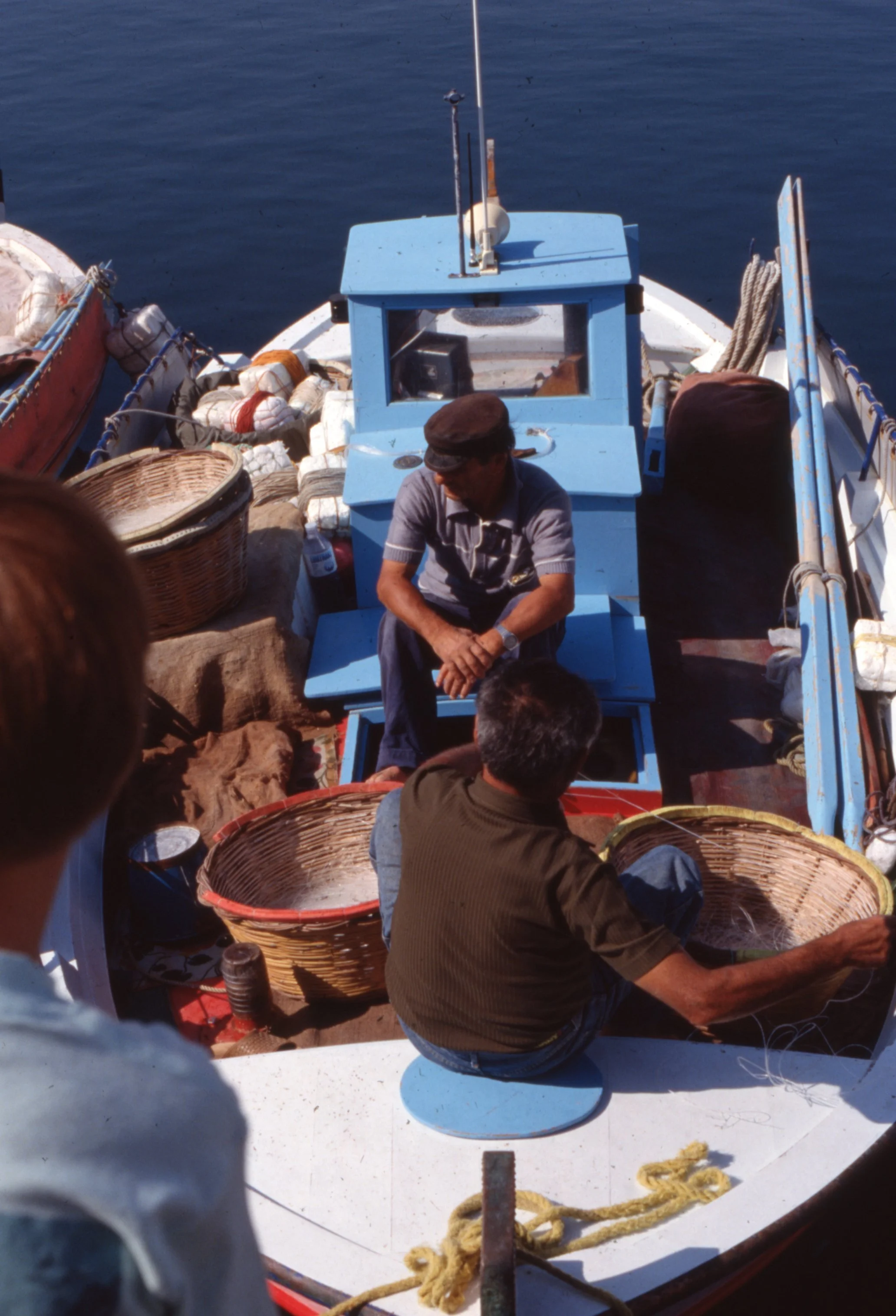
A second reading attends to how social organisation makes itself visible through bodies and the division of tasks. The cluster carries a consistent gendering, although Kolovos did photograph instances where this, too, changed, such as the woman chopping the wood, however the woman often appear in the work of care and food-processing while the men cut wood, lead or butcher animals, operate ploughs and wagons. Children, too, orbit these spaces, half-participating, half-watching. John Berger wrote about everyday gestures as the carriers of social meaning, so the way a hand holds a tool, the angle of a back bent over work, the choreography of who stands where and who carries what, all of it a kind of visible grammar of how a society is organised.
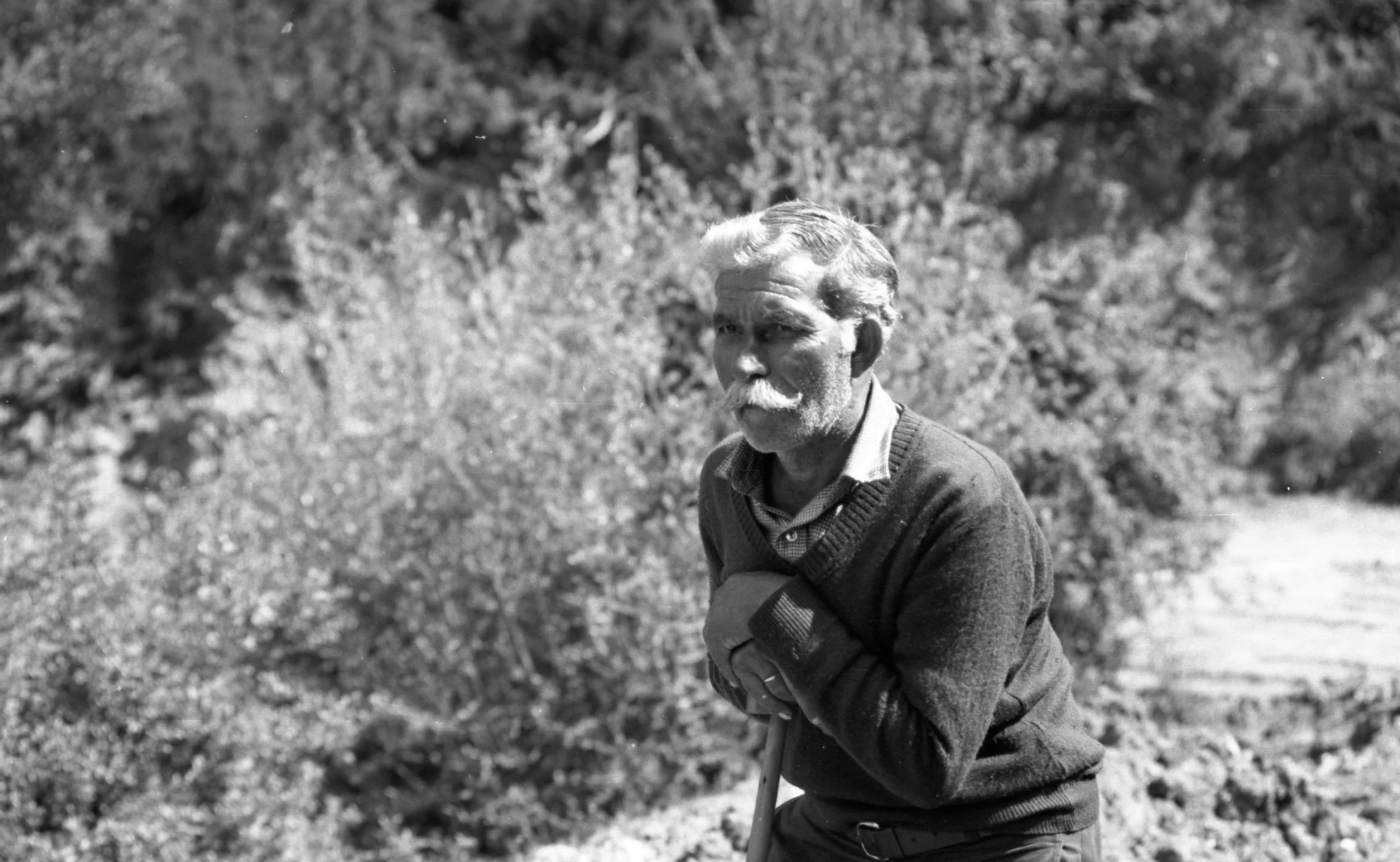
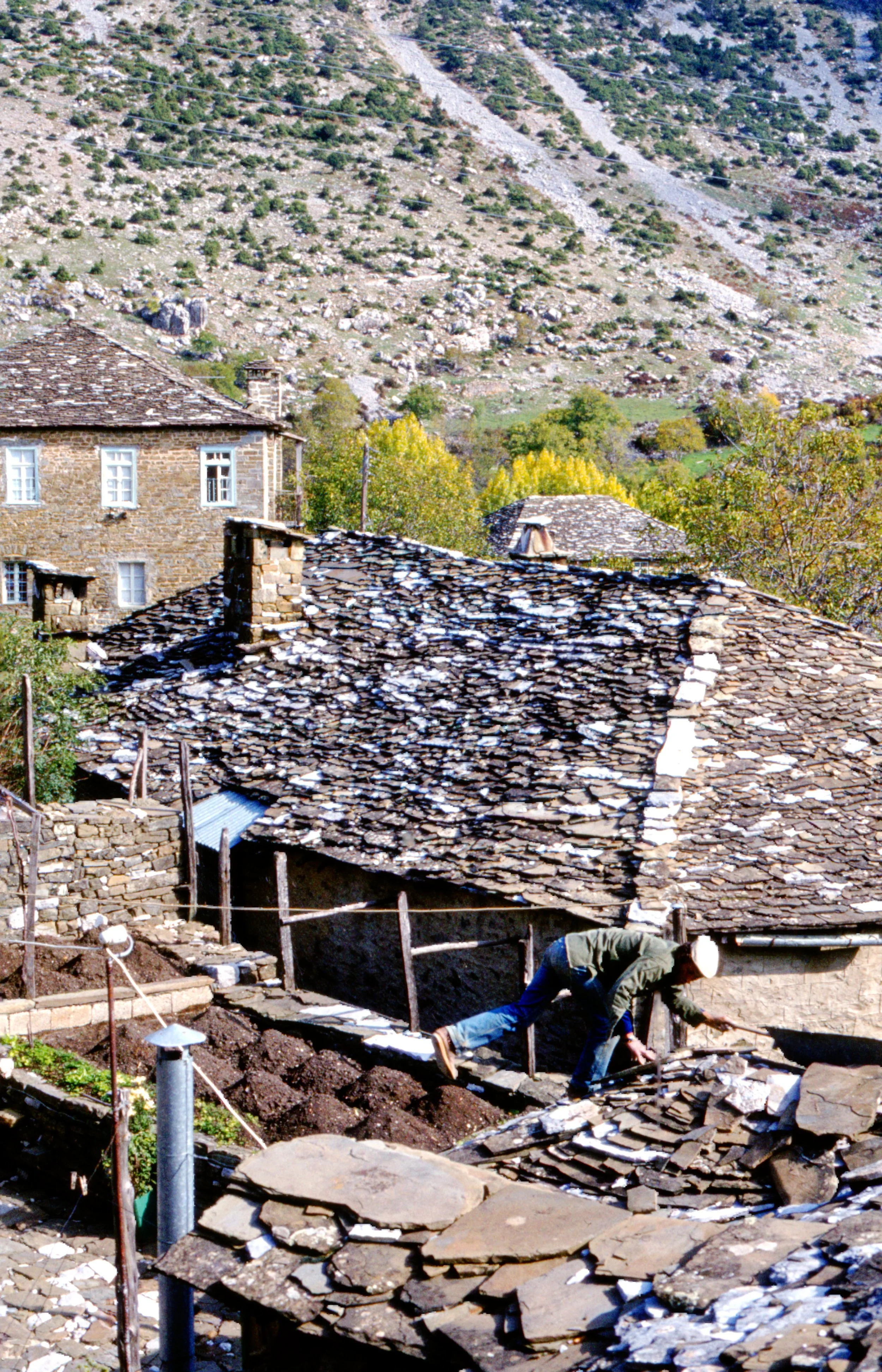
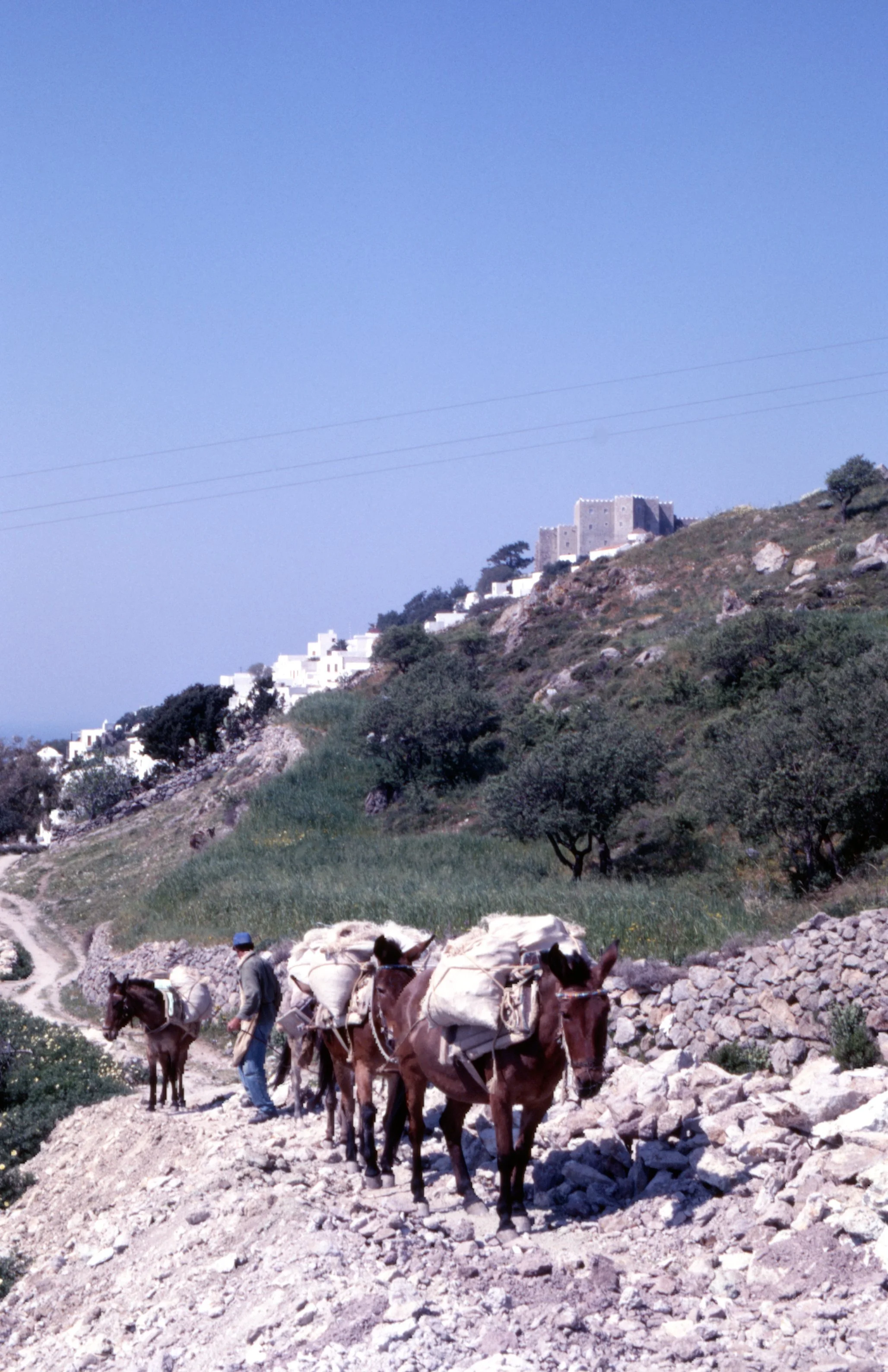
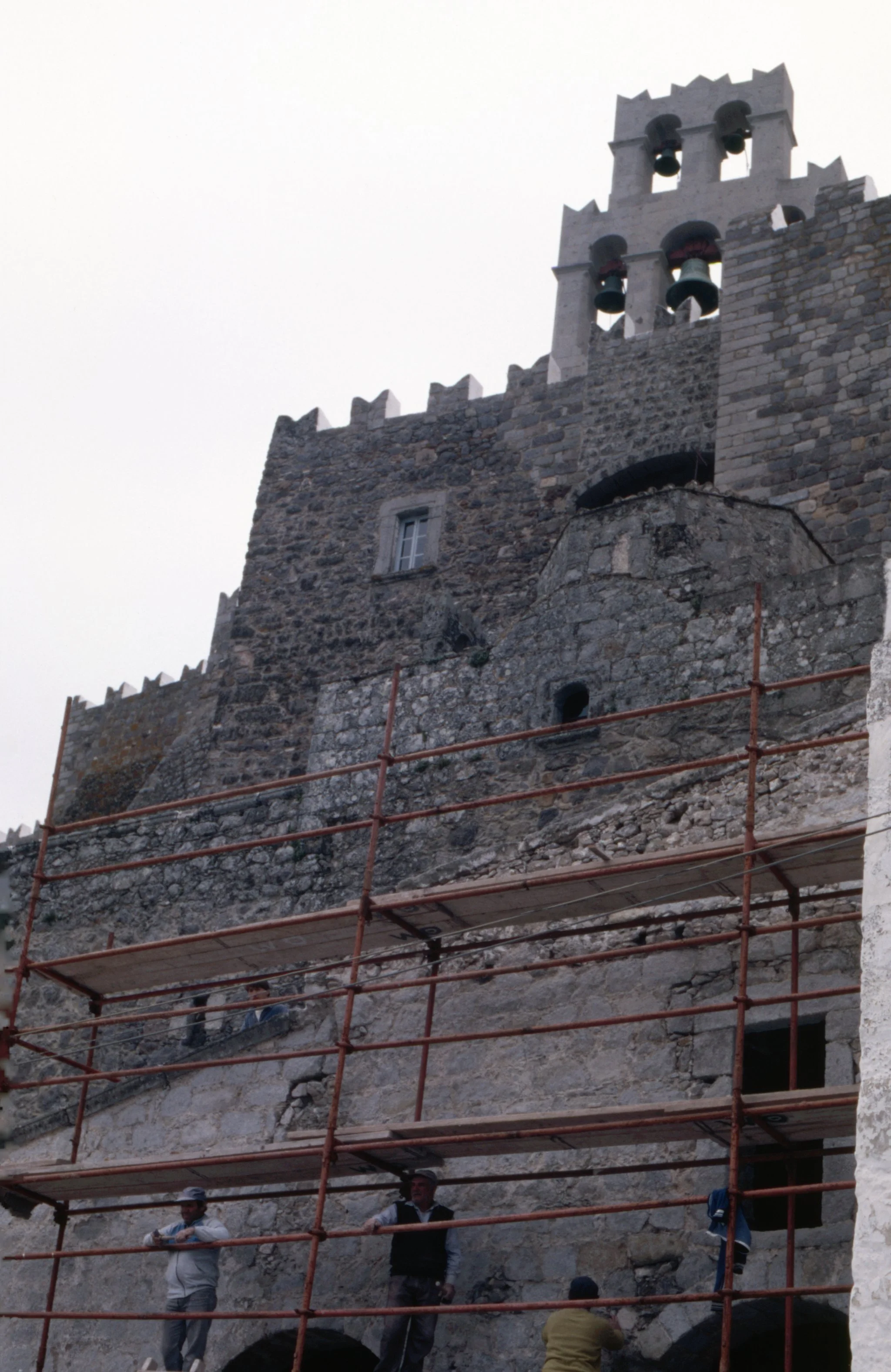
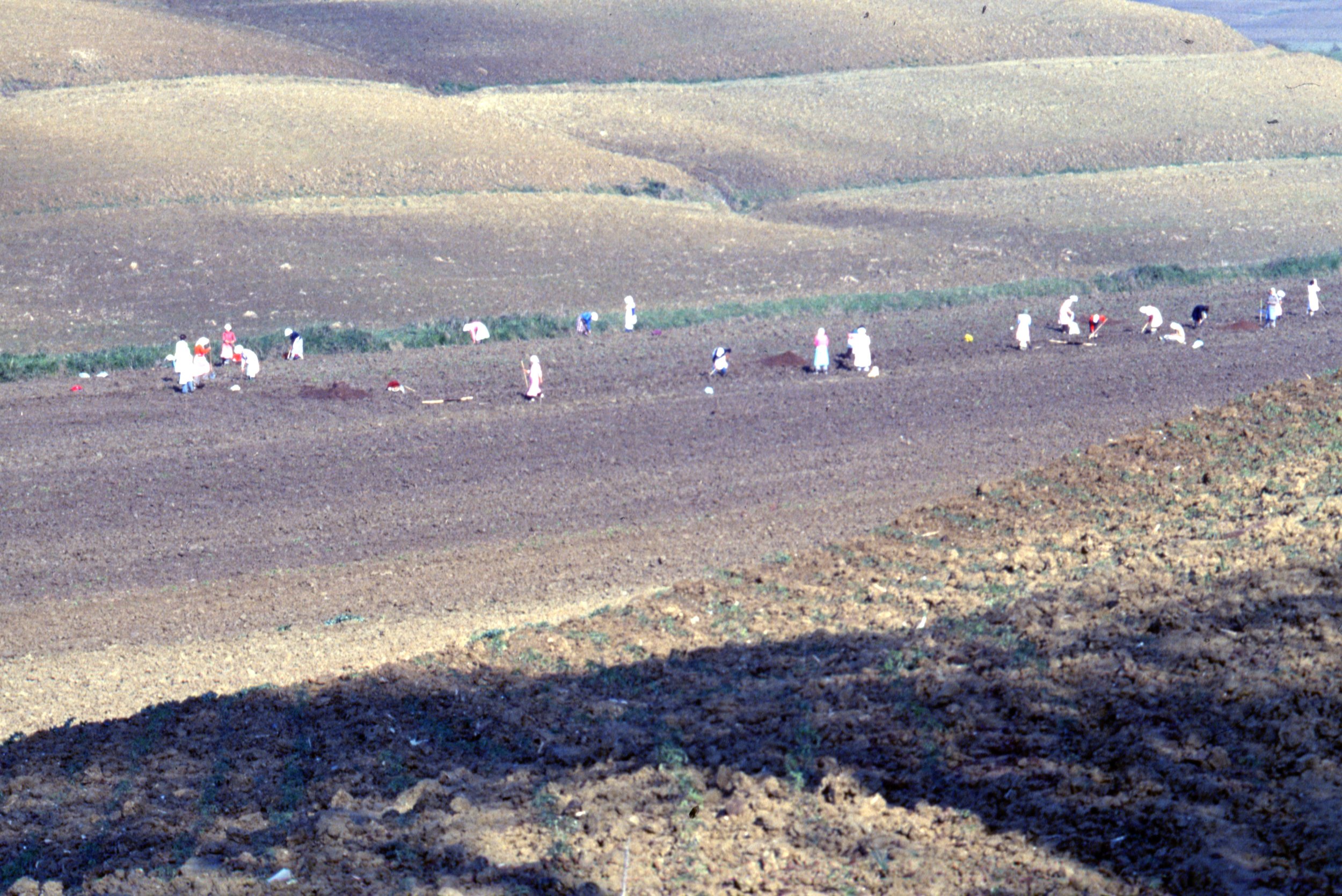
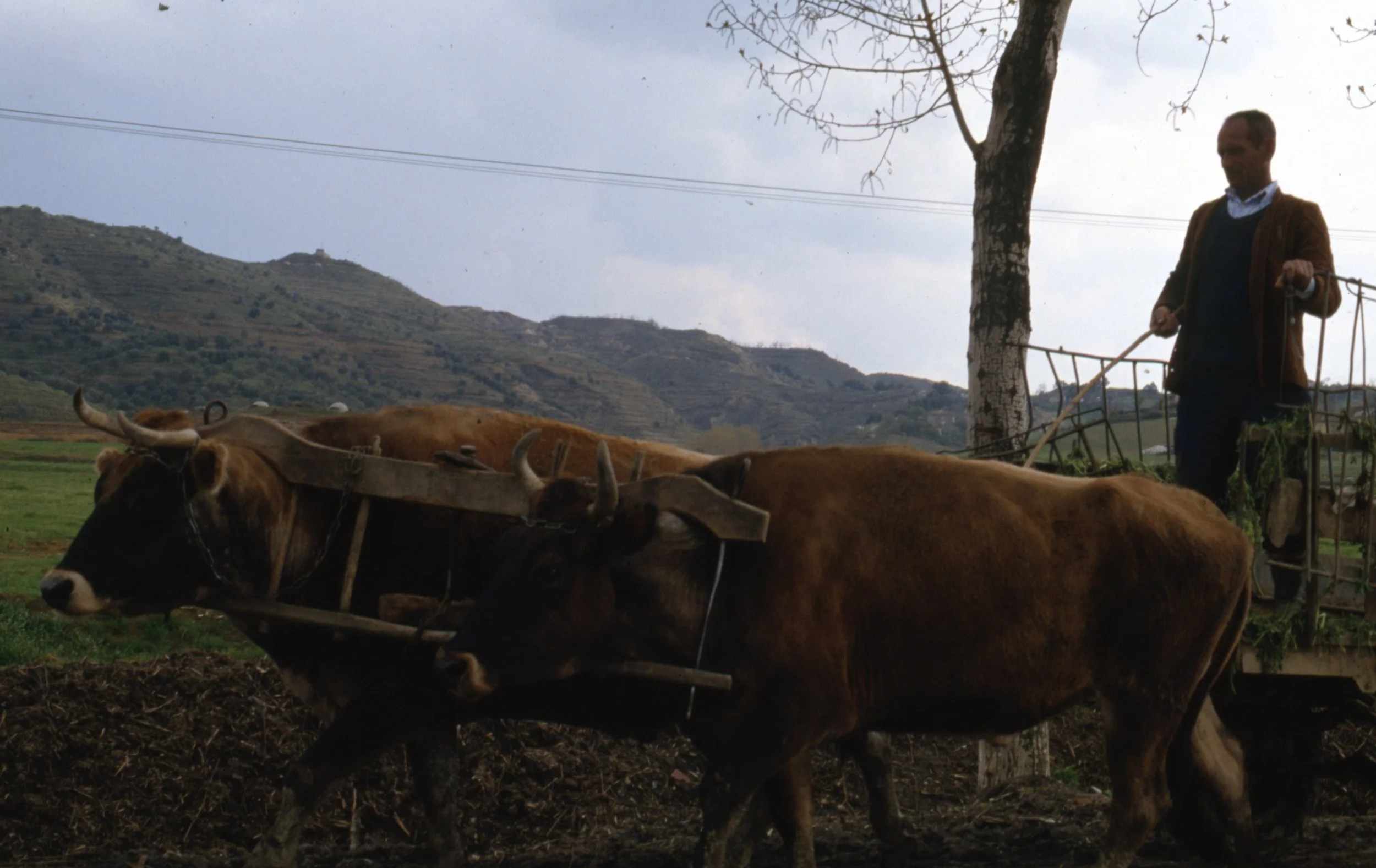
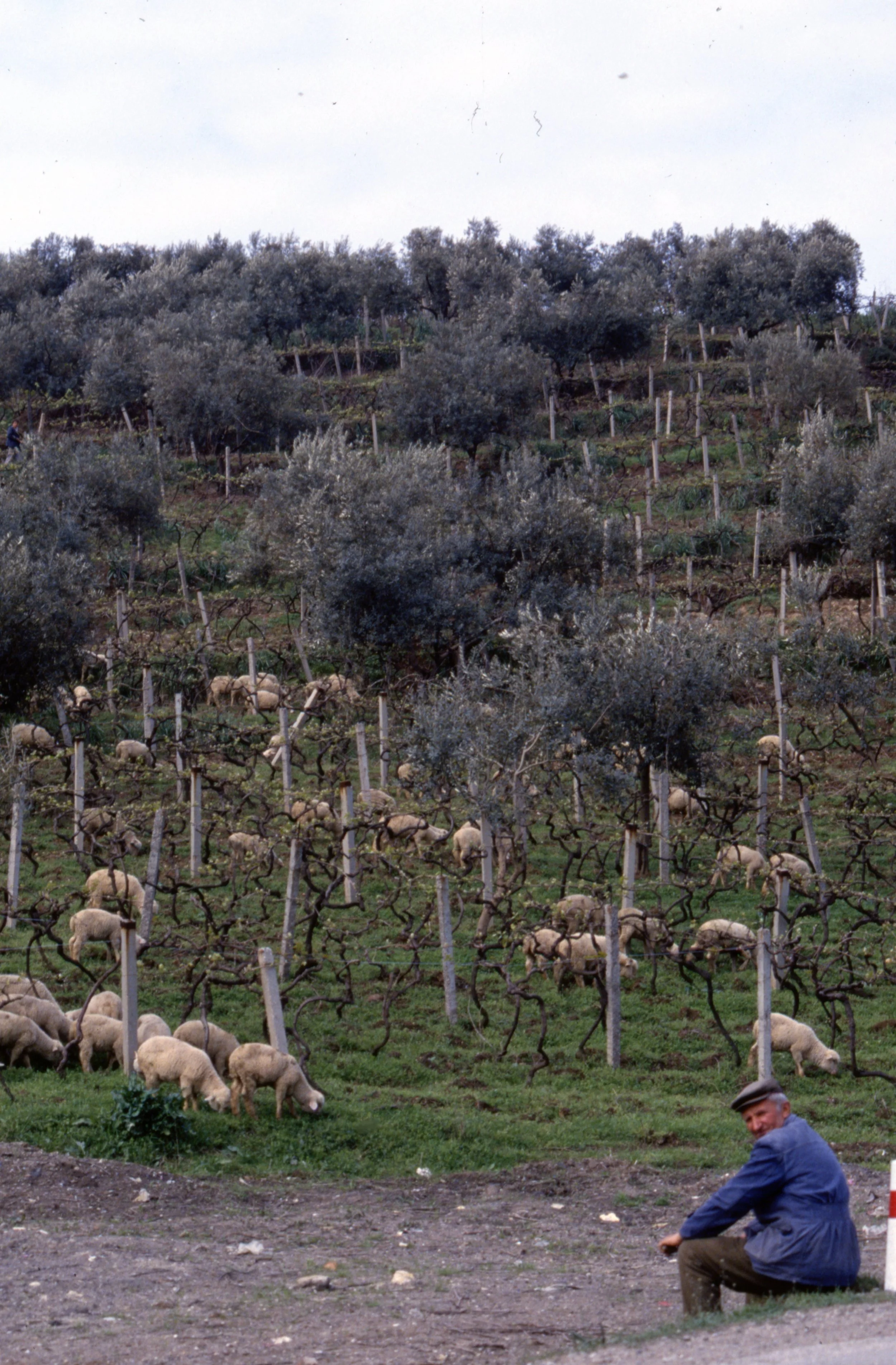
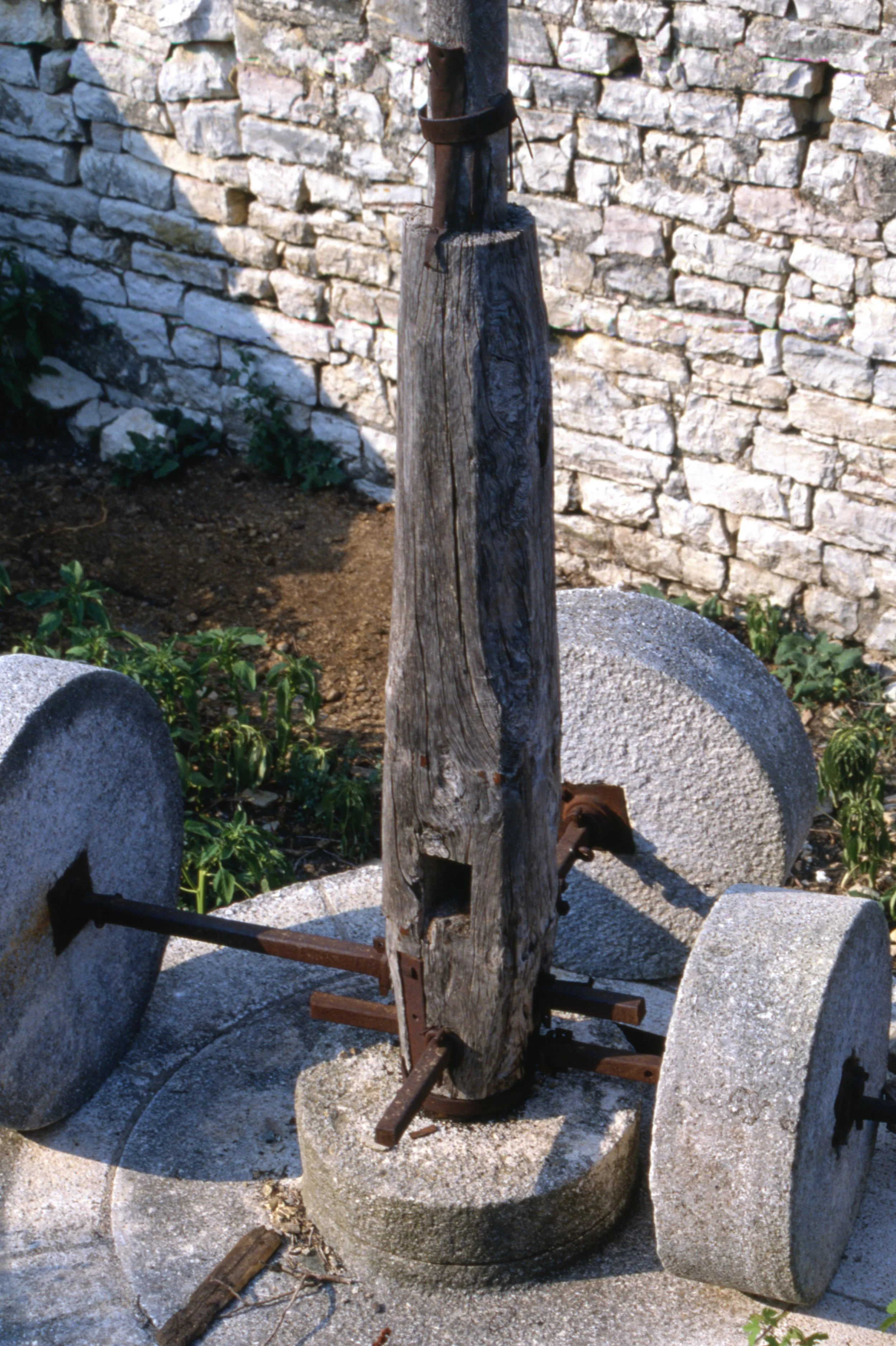
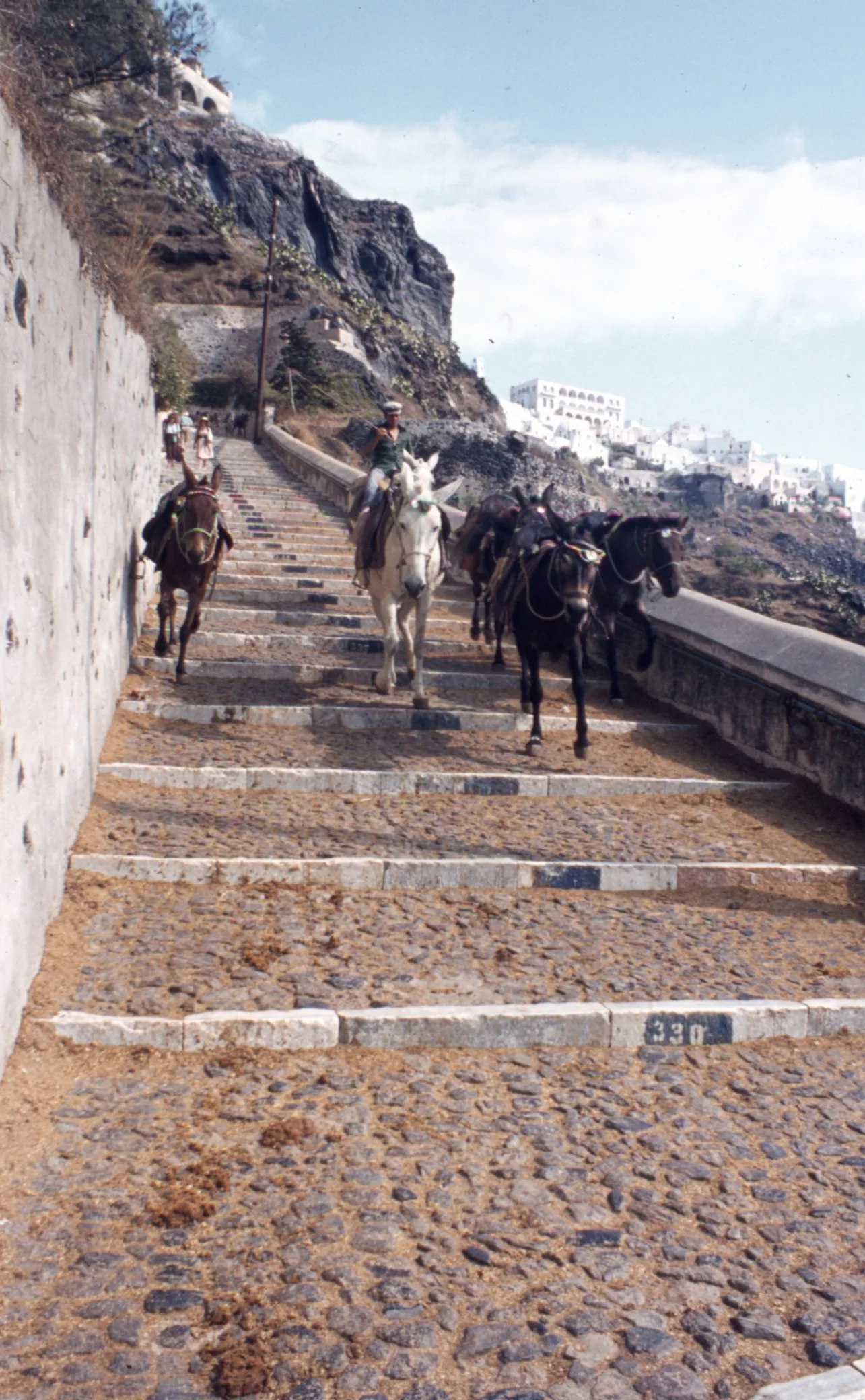
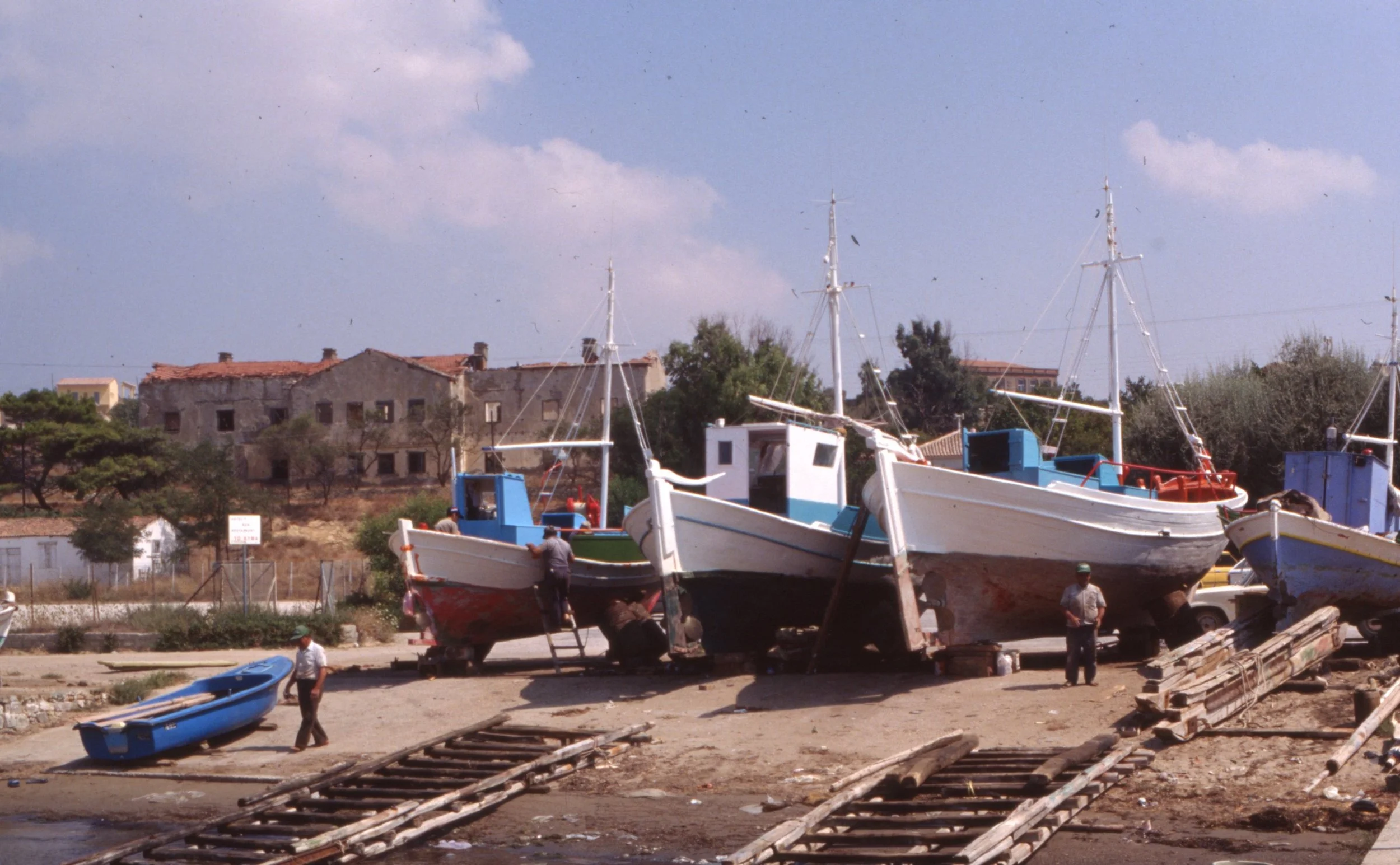
Many of these photographs, judging from the tile patterns and the architecture of the houses and walls, were made in the mountainous villages of Epirus and other parts of rural northern Greece, regions historically affected by political and economic borders, by military passage, by waves of out-migration, by long stretches of state neglect. There is a body of work in cultural geography that asks us to think of borders as felt environments, or atmospheres of anxiety, endurance, slowness, adaptation. Read this way, the labour cluster becomes a record of an affective borderscape lived through action. The man herding oxen through ploughed soil does so within an agricultural economy under threat, and the shepherd rests behind his flock in a landscape historically marked by military occupation and changing national boundaries, and yet the photographs themselves show how life continues through the cyclical tending of animals and crops, through the daily and seasonal returns of unspectacular work. What scholars of rural Greece have called a politics of survival is, in this archive, visible without being announced. Alongside this wider political geography sits a kind of accumulation. Sara Ahmed has written about the way emotions stick to surfaces and habits, and how the meanings of objects accrue through layered repetition. A donkey carrying sacks is part of a whole network of economic necessity and mobility, of routes walked and re-walked, of season after season of carrying. Read across the cluster, rural space here becomes an infrastructure of endurance and continuity.
One personal note belongs here. Kolovos came from a background in which bus driving and manual labour were the expected professions, however, he went on to become a lawyer and a public intellectual, but this was not the trajectory his family origin assumed for him. He did not photograph labour as an outsider, but still he does not insert himself into these scenes, rather he stays outside the frame, framing only gestures, tools, and terrain, but the attention given here comes from someone for whom this kind of work was the world he came from. The repetition itself is recognition, and he returned to it because, in some sense that he never wrote about explicitly, it was his.
Read together with the children cluster, the two clusters allow memory and history to remain active and also real and honest. They show a posthumous storyteller working with fragments how the repetition of ordinary acts, across an archive, can keep a life legible without ever requiring the author's own words.
This is one reading of the labour cluster. There are others available in the same images. The archive invites the viewer to see what we have seen, to see what we have missed, and to propose readings of their own.